
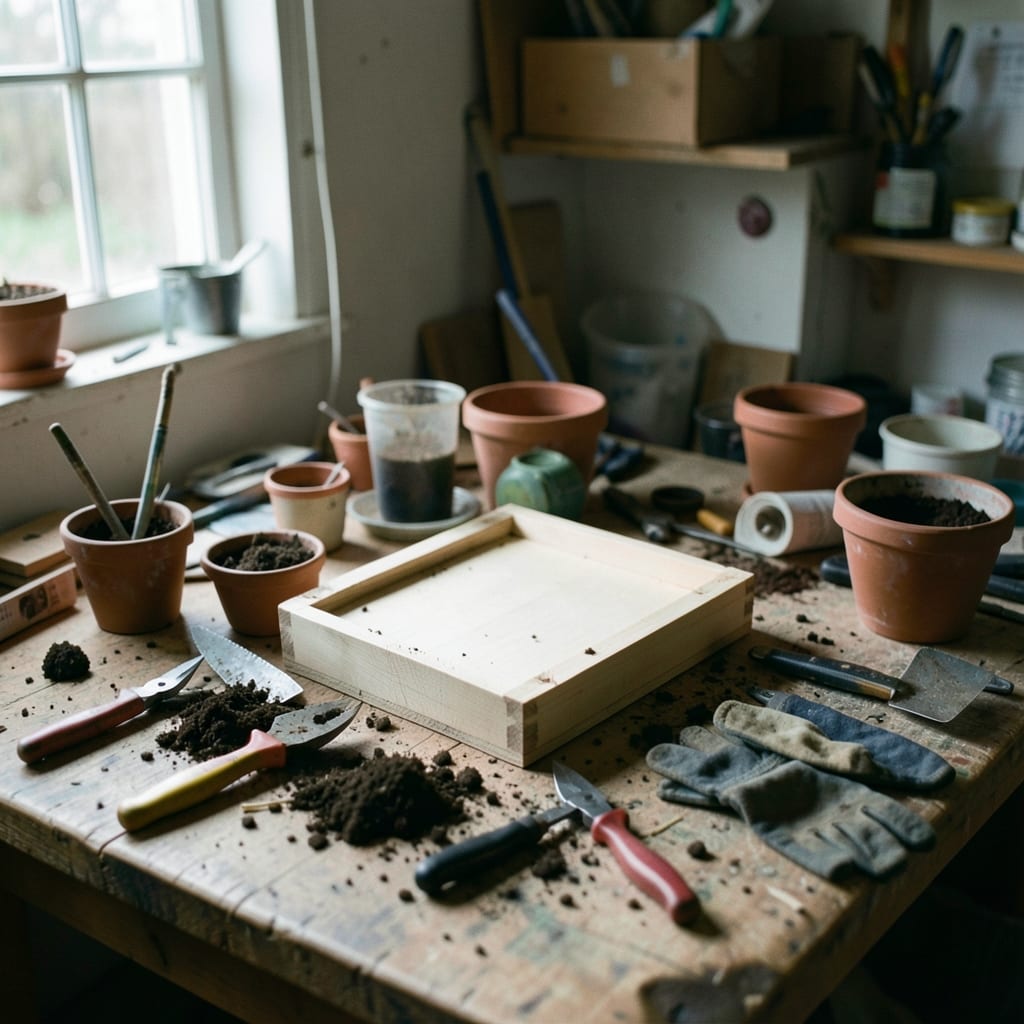
What is on this site
This site is for growing things—plants, trees, and the soil they live in. You’ll find practical advice on pruning, propagation, seasonal care, and the quiet science of what makes a garden thrive.
No fluff, no guesswork: just what works, when it works, and how to tell the difference between a healthy leaf and one that’s begging for help.
The site is organised by what you need to do, not by what you want to grow. Need to revive a dying fern? Start with the *Diagnosis* section. Want to know when to prune your apple tree? Check the *Seasonal Guide*. Unsure how to propagate a cutting?
The *Techniques* library has step-by-step instructions, with photos that show the real thing—not just the ideal.
| Where | What is there | Go here if |
|---|---|---|
| The Library | Plant profiles, care guides, and troubleshooting | you’re unsure about a species |
| Seasonal Guide | Month-by-month tasks for your climate zone | you’re planning ahead for spring or winter |
| Techniques | Step-by-step pruning, grafting, and propagation | you need a visual walkthrough |
| Diagnosis | Symptom checker for pests, diseases, and nutrient issues | your plant looks sick but you don’t know why |
How to read a page here
Every page starts with a clear title and a one-sentence summary of what you’ll learn. Numbers in brackets—like *(3)*—mark key steps or stages, so you can skip to what matters. Photos are labeled with what they show (e.g., *‘Dead branches marked for removal’*), not just decorative.
Ignore the ‘Also Try’ box on a first read; it’s for when you’re curious.
Units are in metric (centimetres, grams) unless a tool or tradition uses imperial—we note it. Timings assume average conditions; your microclimate might need adjustments. If a step says *‘until the blade resists’*, that’s a feel test, not a timer.
And if a technique mentions *‘early morning light’*, it means before 10 a.m., when humidity is higher.
Need the core info fast? Scan for bolded terms (they’re linked to definitions) and the ‘Quick Fix’ callouts. Still stuck? The ‘Why This Matters’ section at the end explains the *how* behind the *what*—but you can skip it and come back later.
This isn’t a textbook; it’s a reference you’ll flip to again and again.
When it does not work
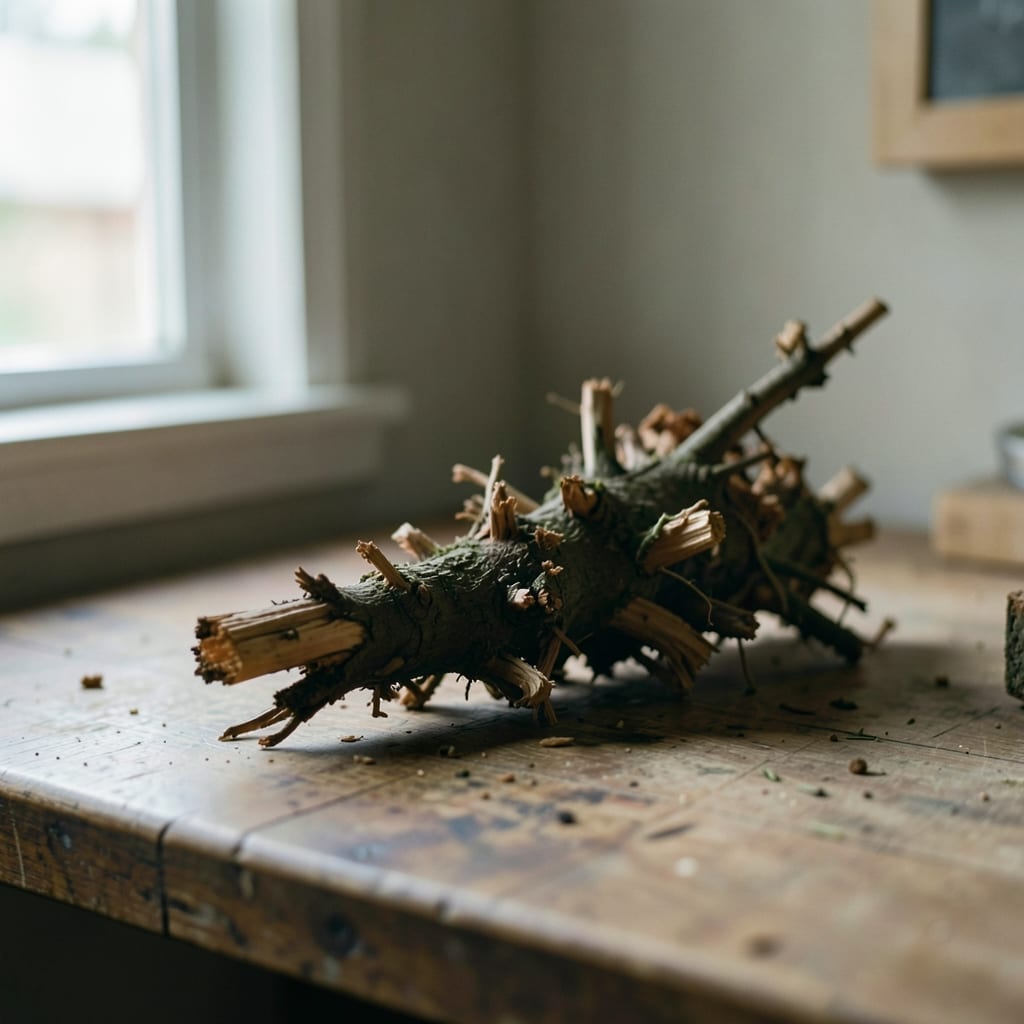
If a technique fails, it’s usually one of three things: the wrong tool, the wrong timing, or a misread of the plant’s needs. A pruning cut that bleeds too much? You nicked the cambium layer. A cutting that won’t root?
It might need a rooting hormone—or it might just need more time. The site’s *Diagnosis* section covers the most common mistakes, but real gardening is part trial, part observation.
Before you give up
- Double-check your tools—dull shears crush stems instead of cutting cleanly
- Verify the plant’s light and water needs against your conditions
- Look for subtle clues (e.g., yellowing leaves starting at the tips = overwatering, not underwatering)
- Try the technique again in a week—some plants need multiple attempts to ‘take’
Who we are

This site is written by someone who still gets excited when a seedling breaks through the soil.
| The colophon | |
|---|---|
| Written by | Theo Salazar, who turns balconies into forests and documents the mess along the way |
| Tested in | A 1970s apartment with a south-facing balcony, a greenhouse made from repurposed windows, and a backyard where the soil remembers every mistake |
| Written with | A Felco F-2 pruner, a magnifying glass, and a notebook full of half-finished sketches of root systems |
| Learned from | My grandpa, who taught me that ‘pruning’ isn’t just cutting—it’s listening to the tree |
| Still getting wrong | The exact moment to stop watering wilted leaves (I always err on the side of too much) |
Gardening is the only hobby where failure looks exactly like success—until you look closer. The goal here isn’t perfection; it’s learning to spot the difference between a leaf that’s thriving and one that’s just pretending.
If you need something that is not here
If your question isn’t answered—or if the site’s advice doesn’t match your climate, soil, or plant—start with the *Diagnosis* tool to narrow down the problem. Still stuck? The contact page is the best place to ask for help, with photos if needed.
We’ll point you to what you missed, or tell you flat-out if the issue isn’t fixable (some battles aren’t worth fighting).
The guides are grouped by category: Advice, Aphids, Blooming, Companion Plants, Container Gardens and Diseases.