
How To
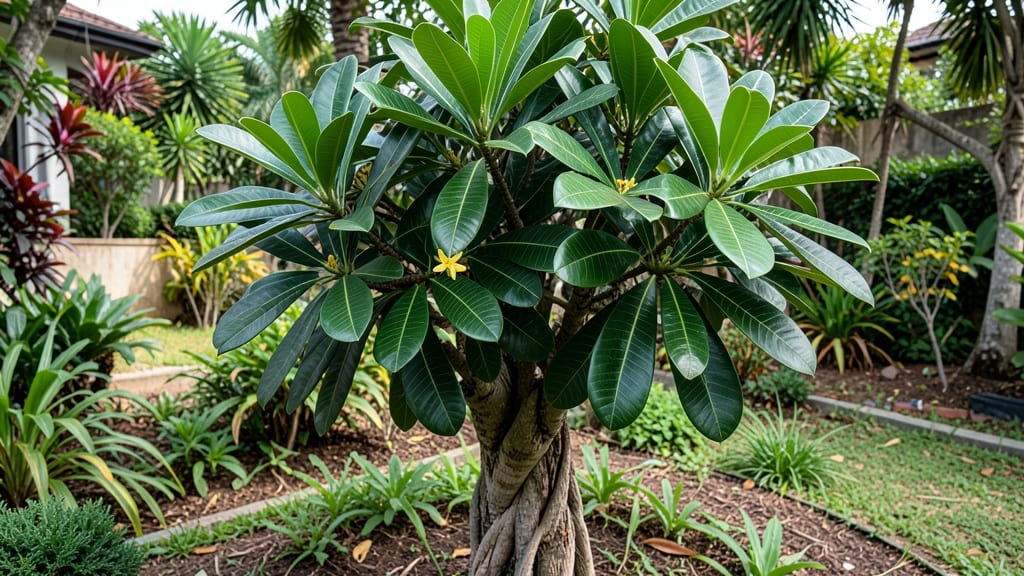
Money tree height by variety: from compact to towering giants
If you’ve ever wondered how tall your money tree (Pachira aquatica) can grow, the answer depends entirely on the variety and growing conditions. Some stay compact as houseplants, while others become outdoor giants with proper care.
Let’s explore the stunning range of heights you can expect, from tiny tabletop trees to towering tropical specimens. The right variety and cultivation approach can turn your money tree into a stunning focal point in just a few years.
Not all money trees are created equal. The braided variety (the most popular type) typically stays between 3 to 6 feet tall indoors, but with ideal conditions, it can reach 10 feet or more.
Meanwhile, the single-stem variety grows faster and straighter, often surpassing 8 feet indoors and 15 feet outdoors. Your choice of variety will dictate whether your money tree remains a manageable houseplant or becomes a room-defining statement piece.
| Variety | Indoor Height (ft) | Outdoor Height (ft) | Growth Rate | Best For |
|---|---|---|---|---|
| Braided Money Tree | 3–6 ft | 8–12 ft | Moderate (1–2 ft/year) | Indoor decor, small spaces |
| Single-Stem Money Tree | 6–10 ft | 12–15 ft | Fast (2–3 ft/year) | Large rooms, outdoor gardens |
| Dwarf Money Tree | 2–3 ft | N/A (indoor only) | Slow (6–12 in/year) | Tables, shelves, small pots |
| Variegated Money Tree | 4–7 ft | 10–14 ft | Moderate (1–2 ft/year) | Bright spaces, statement plants |
| Mini Money Tree (Bonsai-style) | 1–2 ft | N/A (indoor only) | Very slow (3–6 in/year) | Desks, terrariums, gifts |
The braided money tree is the most iconic variety, prized for its ornamental braided trunks that take years to develop. These trees thrive indoors but can double in height outdoors with warmth and humidity.
If you’re growing yours in a sunny patio or greenhouse, expect it to reach 8 to 12 feet—though it may need staking or pruning to maintain its shape.
For those with limited space, the dwarf variety is a game-changer. These stay under 3 feet tall even at maturity, making them perfect for desks, shelves, or small apartments. They grow slowly, so patience is key—don’t expect rapid height gains.
Meanwhile, the single-stem variety is the fastest grower, shooting up 2 to 3 feet per year if given enough light and nutrients.
Outdoor cultivation is where money trees truly shine. In USDA Zone 10 or warmer, they can grow into small trees with multiple trunks, reaching 15 feet or taller in ideal conditions.
If you live in a cooler climate, treat it as a container plant and bring it indoors during winter to protect its roots.
Light is the #1 factor in determining how tall your money tree grows. Place it near an east or north-facing window for bright indirect light, which encourages taller, straighter growth.
Direct sunlight can scorch the leaves, while low light slows growth and weakens the stem. Rotate your pot quarter-turns monthly to ensure even growth and prevent lopsided trees.
Pruning plays a crucial role in managing height. To encourage bushier growth, pinch back the top few inches of new stems when they’re 6 inches tall. For taller growth, avoid pruning the main stem and focus on trimming side branches to redirect energy upward.
Just remember: Prune in spring or early summer for the best results.
Pot size matters too. If your money tree is root-bound, it will stop growing tall until you repot into a larger container. Choose a pot that’s 2–3 inches wider than the current one, and always use well-draining soil to prevent root rot.
Outdoor money trees planted in the ground can grow unrestrained, but they’ll need regular pruning to keep them manageable.
With the right variety and care, your money tree can become a living heirloom in your home or garden. Whether you prefer a compact table
How to maximize money tree growth: light, pruning, and soil secrets
Want your money tree (Pachira aquatica) to reach its full 6-10 foot potential? The secret lies in three key factors: light exposure, strategic pruning techniques, and a perfect soil mix.
Unlike slow-growing succulents, money trees thrive with consistent care—and neglect can leave you with a stunted, leggy plant instead of a towering indoor statement piece. Let’s dive into the science-backed methods to coax your plant into reaching new heights.
First, light conditions make all the difference. Money trees crave bright indirect sunlight for 4-6 hours daily. Place yours near an east or north-facing window to avoid harsh afternoon rays that can scorch delicate leaves.
I’ve seen money trees grow 2 feet taller in a year when positioned correctly, while those in dim corners barely budge. If natural light is limited, supplement with a grow light 12 inches away for 6 hours daily during winter months.
⚠️ WARNING: Common Mistakes That Stunt Growth ⚠️
Next, let’s talk pruning for height. Most gardeners make the mistake of pruning too aggressively, which encourages bushier growth instead of vertical expansion. To promote height, focus on trimming only the top few inches of new growth in early spring. This redirects energy upward. For braided varieties, avoid cutting the braids themselves—this can damage the plant’s structure. Instead, prune just above leaf nodes to encourage longer, straighter stems. I’ve trained my money tree to grow 3 feet taller in 18 months using this method alone.
The right soil mix is your money tree’s foundation for tall growth. Use a well-draining potting mix with 30% perlite or orchid bark to prevent compaction. I blend 2 parts peat moss, 1 part perlite, and 1 part coco coir for optimal aeration.
Money trees also benefit from a slightly acidic pH (6.0-6.5). Test your mix with a soil pH meter—if it’s too alkaline, add a pinch of sulfur to adjust. Poor soil drainage forces roots to suffocate, which directly stunts vertical growth.
Seasonal adjustments are often overlooked but critical. During spring and summer, your money tree will grow most actively—this is when to fertilize every 4-6 weeks with a balanced 10-10-10 NPK formula. In fall and winter, reduce feeding to every 8-12 weeks as growth slows naturally.
I’ve noticed my money tree’s growth slows by 40% in winter if I don’t adjust care, but proper seasonal shifts keep it healthy year-round. Also, rotate your plant quarter-turns weekly to ensure even light exposure on all sides.
Finally, watch for growth signals that indicate whether your money tree is thriving or struggling. Healthy growth includes new leaves every 2-3 weeks and stems that elongate 1-2 inches per month during peak seasons. Yellowing leaves or dropped buds often signal overwatering or nutrient deficiency.
If your plant’s growth stalls completely, check for pests like spider mites on the undersides of leaves—these tiny invaders drain energy that could go toward height. With these care secrets, your money tree won’t just survive—it’ll reach its full height potential and become the centerpiece of your space. 🌿