
Pruning
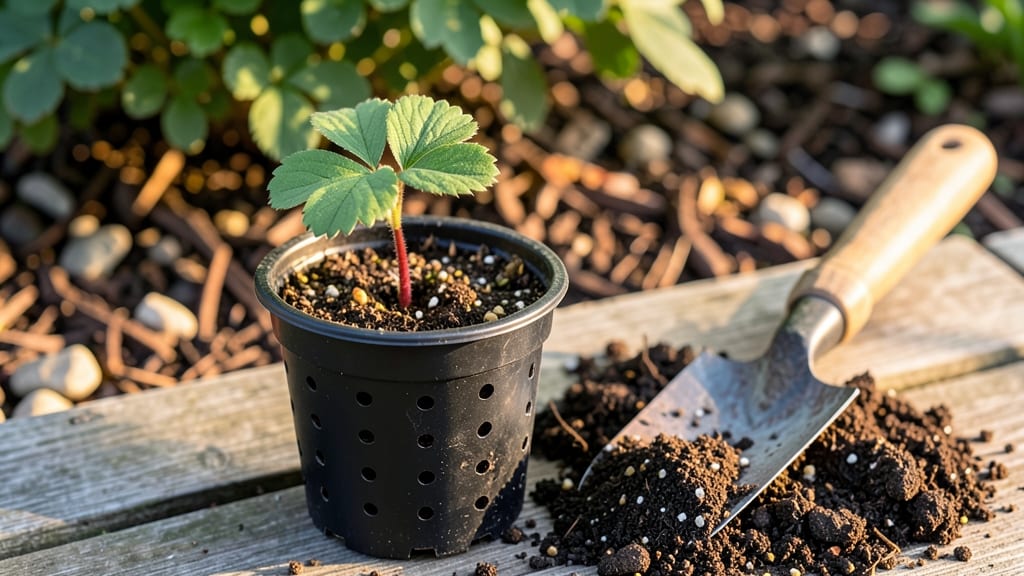
Growing a strawberry tree seedling means year-round fruit with minimal fuss—once it's established. 🌿 The key is patience; these Mediterranean natives take 3-5 years to bear fruit, but the layered canopies they create are worth every wait.
My first seedling now produces tiny, edible berries in winter when most gardens sleep.
Start with well-draining soil—think sandy loam mixed with compost—and a spot with 6+ hours of sunlight daily. Strawberry trees hate soggy roots, so raised beds or containers with drainage holes work best.
Water deeply once a week in summer, then taper off in winter when growth slows. Pruning young trees in late winter keeps the shape open and airy.
By year 3, you’ll see that signature peeling bark and glossy leaves—signs of a healthy tree. The real magic happens in autumn when clusters of white flowers appear, leading to those sweet, strawberry-like berries. Even in colder zones (USDA 7-9), they handle frost better than most fruit trees.
For indoor growers, a sunny window and 10+ gallon pot works, but expect slower growth. The secret? Mimic their Mediterranean home—dry summers, mild winters. With the right care, your seedling could outlive you and still produce fruit.
📚 In This Guide
- What you need
- Instructions
- Tips and common mistakes
- Wrapping up and next steps
What you need
- ● Strawberry tree seedling(s) – 1-3 healthy, disease-free saplings (3-6 inches tall, with visible roots). Pro tip: 🌡️ Choose semi-hardened seedlings (not overly tender) for best survival rates.
- ● Well-draining soil mix – 5 gallons of a blend: 60% peat-free potting soil (or compost)
- ● 30% perlite or coarse sand (for aeration)
- ● 10% worm castings or aged compost (for nutrients)
- ● Container or garden bed: Option 1: 5-gallon nursery pots (1 per seedling) with drainage holes
- ● Option 2: Raised bed (minimum 12" deep) or in-ground spot with partial shade (6+ hours of dappled sunlight daily)
- ● Mulch – 2-3 inches of pine bark or shredded leaves (retains moisture, mimics natural habitat)
- ● Pruners or sharp bypass shears – Sterilized with rubbing alcohol (for trimming roots/stems if needed)
- ● Garden trowel or transplant spade – For digging small holes (6" deep x 6" wide)
- ● Spray bottle or watering can – With a fine mist nozzle (to avoid disturbing soil)
- ○ pH testing kit (optional) – Aim for soil pH 5.0–6.5 (strawberry trees thrive in acidic conditions)
- ○ Rooting hormone (optional) – Gel or powder to boost root development during layering
- ● Timing: Plant seedlings in early spring or fall (avoid extreme heat or frost).
- ● Climate check: Strawberry trees love USDA Zones 7–9 (or equivalent). If in a colder zone, grow in containers for winter protection!
- ● Patience: Seedlings take 3–5 years to bear fruit, but layering can speed up fruiting! 🎯
Step-by-Step guide to growing a strawberry tree seedling
Here's how I grow these stunning, fruit-bearing trees from tiny seedlings—with tricks to maximize their layered canopy potential.
🌱 Step 1: Select the Right Seedlings and Prepare the Site
Choose healthy strawberry tree seedlings with 3-4 true leaves and no signs of yellowing or spots. These trees thrive in full sun to partial shade, so pick a location with at least 6 hours of sunlight daily. I always test the soil pH first—strawberry trees prefer slightly acidic to neutral soil (6.0-7.0).
Before planting, loosen the soil to a depth of 12 inches with a garden fork. Amend the area with 2-3 inches of compost to improve drainage and fertility. The reason for this prep is that strawberry trees hate soggy roots, and compacted soil slows their canopy development.
☀️ Step 2: Plant at the Correct Depth and Spacing
Dig a hole twice as wide as the seedling's root ball but only as deep as the container. This prevents burying the trunk too deeply, which can cause rot. Gently remove the seedling from its pot and place it in the hole, ensuring the top of the root ball sits just below soil level. Fill the hole with soil and press lightly around the base to eliminate air pockets.
Space seedlings 10-15 feet apart—this gives their canopies room to spread naturally. I always water deeply right after planting to settle the soil and encourage root contact. Watch for new leaves forming within 2-3 weeks—that’s your sign the seedling is establishing.
💧 Step 3: Water Deeply and Maintain Consistent Moisture
Strawberry trees need 1-2 inches of water weekly, but they’re drought-tolerant once established. Water deeply every 5-7 days during the first year, ensuring the soil stays moist but not waterlogged. You’ll know it’s right when the top 2 inches of soil feel damp but not soggy.
After the first year, reduce watering to every 10-14 days unless your area experiences extreme heat. Overwatering is the biggest mistake—it leads to root rot and stunted canopy growth. Mulch around the base with 2-3 inches of organic mulch to retain moisture and suppress weeds.
✂️ Step 4: Prune for a Full, Layered Canopy
Pruning is key to encouraging that lush, multi-layered growth strawberry trees are famous for. In early spring, remove any dead, diseased, or crossing branches with clean bypass pruners. Then, trim back overly long branches by 1/3 to promote bushier growth.
During late summer, lightly prune to shape the tree and encourage new fruiting branches. Never remove more than 20% of the canopy at once—this keeps the tree healthy and productive. You’ll see new shoots forming at the base within weeks, which you can train upward to create layers.
🌿 Step 5: Fertilize for Year-Round Fruit Production
Feed your strawberry tree twice a year for best results. In early spring, apply a balanced, slow-release fertilizer (10-10-10) at half the recommended rate. In late summer, switch to a low-nitrogen, high-phosphorus fertilizer (5-10-10) to boost flowering and fruiting.
I also top-dress with compost every fall to replenish nutrients naturally. Avoid high-nitrogen fertilizers—they encourage leafy growth at the expense of fruit. Watch for new blooms appearing in late winter, signaling the tree is ready for its next fruiting cycle.
Tips & tricks for perfect strawberry tree canopy growth
These little details make all the difference when nurturing your strawberry tree into a lush, fruiting powerhouse.
Seedling Selection: Look beyond the leaves—healthy seedlings should have firm stems and vibrant green leaves without brown edges. I once bought a batch with yellowing leaves, and they struggled for months. Also, check the root system: healthy roots should be white or light tan, not dark or mushy. If you're unsure, gently squeeze the stem—it should spring back, not stay indented.
Soil Prep Strategy: The 12-inch soil loosening in Step 1 isn't just about breaking up dirt—it's about creating an oxygen-rich zone for roots. I add a handful of perlite or coarse sand to the compost mix to improve drainage further. This prevents that dreaded root rot while keeping moisture where it belongs. Think of it as giving your tree's roots a spa treatment before planting.
Pruning Timing: That early spring pruning in Step 4 is your chance to shape the tree's future. I always prune just before new growth begins—you'll see tiny buds swelling on the branches. Trim those long branches back by one-third, and make your cuts just above a leaf node where new growth will emerge. This creates those beautiful layered branches that strawberry trees are known for.
Watering Wisdom: The 2-inch soil dampness check in Step 3 is your best friend. I use a simple screwdriver to test moisture—if it slides in easily, you're good. If it meets resistance, it's time to water. Remember, strawberry trees are drought-tolerant once established, but those first-year roots need consistent moisture to spread out and support that canopy you're dreaming of.
Pro Tips for Strawberry Tree Seedling
- These little details make all the difference when nurturing your strawberry tree into a lush, fruiting powerhouse.
- Seedling Selection: Look beyond the leaves—healthy seedlings should have firm stems and vibrant green leaves without ...
- Soil Prep Strategy: The 12-inch soil loosening in Step 1 isn't just about breaking up dirt—it's about creating an oxy...
Frequently asked questions
Got questions about growing your strawberry tree seedling? You’re not alone! Here are answers to the most common queries to help you cultivate a thriving, fruit-bearing tree with ease.
How long does it take for a strawberry tree seedling to bear fruit?
A young strawberry tree (Arbutus unedo) seedling typically takes 3–5 years to produce its first fruit, though container-grown seedlings may bear fruit slightly sooner (2–3 years). Patience is key—focus on establishing strong roots and a healthy canopy first! Pro tip: Prune lightly in the first year to encourage bushier growth, which speeds up fruiting.
When is the best time to plant a strawberry tree seedling?
The ideal time to plant your seedling is early spring or fall, when soil temperatures are mild (50–70°F). Avoid extreme heat or frost, as these stress young roots. If planting in summer, water deeply daily for the first 2 weeks to prevent transplant shock. Pro tip: Amend clay soil with compost to improve drainage—strawberry trees hate soggy roots!
Can I grow a strawberry tree from seed, or should I buy a seedling?
While you can grow from seed, it’s much slower (5+ years to fruit) and less reliable. Seedlings from nurseries are grafted or propagated, ensuring faster growth, disease resistance, and consistent fruit quality. If you’re committed to seeds, cold-stratify them for 60–90 days before planting for better germination.
Why aren’t my strawberry tree seedlings sprouting or growing?
Common issues include:
- Poor drainage: Strawberry trees rot in soggy soil. Ensure pots/containers have drainage holes.
- Low light: Seedlings need 6+ hours of sun daily. Move to a sunnier spot if growth stalls.
- Over/under-watering: Keep soil consistently moist but not waterlogged.
- Fungal issues: Yellow leaves or mold? Reduce humidity and treat with neem oil.
How do I prune a young strawberry tree seedling to encourage fruit?
Prune lightly in late winter/early spring to remove:
- Dead, crossing, or crowded branches.
- Suckers at the base (redirect energy to the main trunk).
Wrapping up and next steps
Growing a strawberry tree seedling is a rewarding journey that brings year-round beauty and fruit to your garden! With the right pruning techniques, patience, and care, you’ll unlock a layered canopy that thrives in any season.
Whether you’re a beginner or a seasoned gardener, your efforts will soon pay off with lush foliage and delicious harvests.
Ready to take the next step? Start small—plant your seedling in a sunny spot, monitor its growth, and refine your pruning skills over time. Before you know it, your strawberry tree will be the star of your landscape! 🌱✨