
Pruning
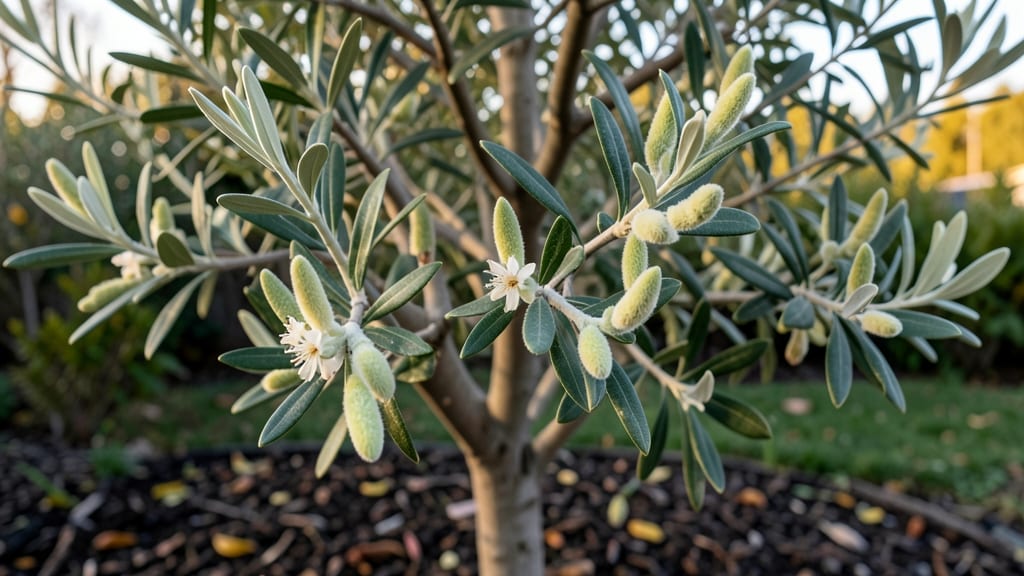
Those tiny olive tree flower buds hold the secret to your harvest—🌿 and pruning them right makes all the difference between a sparse crop and a lush, fruit-filled tree.
I’ve spent years watching my olive tree transform from a bare-limbed skeleton to a productive powerhouse, and the key moments all start with the buds.
The right cuts at the right time turn those little green specks into clusters of olives, but get it wrong and you’ll end up with bud drop or no fruit at all.
Healthy buds need three things: sunlight, balanced pruning, and patience. Most gardeners rush the process, snipping too late in the season or over-thinning branches—both mistakes starve the tree of energy when buds need it most.
My tree now produces consistent blooms because I prune in late winter (before buds swell) and again after harvest, keeping the canopy open so light reaches every branch.
The buds themselves look like tiny, fuzzy green cones in early spring; if they’re sparse or shriveled, your tree’s telling you it needs better care.
By summer’s end, you’ll see those buds fatten into tiny flowers, then olives—if you’ve timed your pruning right. The payoff comes in late fall, when branches bend under the weight of green fruit.
Even young trees can produce with the right approach, and established ones reward you with decades of harvests. The trick is working with the tree’s natural rhythm, not against it.
This method works for container-grown trees too, though you’ll scale back pruning to avoid stress. Whether you’re dealing with a 10-year-old tree or a sapling, the principles stay the same: prune to encourage buds, not just shape the tree. Let’s get those branches blooming reliably—your future olives depend on it.
📚 In This Guide
- What you need
- Instructions
- Tips and common mistakes
- Wrapping up and next steps
What you need
- ● Pruning shears: Bypass pruners (sharp, 6–8" blades) for clean cuts on small branches (1/4"–3/4" diameter). Quantity: 1 pair.
- ● Loppers: Bypass or anvil type (8–12" blades) for thicker branches (3/4"–2" diameter). Quantity: 1 pair.
- ● Pruning saw: Curved-tooth or folding saw for branches >2" in diameter. Quantity: 1.
- ● Gloves: Heavy-duty, cut-resistant (e.g., leather or synthetic mesh) to protect hands from thorns and rough bark. Quantity: 1 pair.
- ● Disinfectant: 70% isopropyl alcohol or pruning sealant (to sterilize tools and prevent disease). Quantity: Small bottle.
- ○ Twine or zip ties: For securing large branches during pruning (optional but helpful). Quantity: 5–10 pieces.
- ● Pruning paint/sealant: Tree wound sealant (to cover large cuts and reduce disease risk).
- ● Ladder or step stool: For taller olive trees (ensure it’s stable and non-slip!).
- ● Notebook & pen: To sketch your tree’s shape or track pruning progress.
- ● Water spray bottle: For rinsing tools between cuts (keeps them clean and sharp).
How to prune olive trees for abundant flower buds and fruit
Here's the method I've used to keep my olive trees blooming reliably—no fancy tools, just smart cuts.
✂️ Step 1: Time Your Pruning for Maximum Bud Formation
Prune olive trees in late winter or early spring, just as buds begin to swell but before new growth starts. This timing ensures you remove old wood while stimulating fresh buds that will flower. I always check for plump, green buds—when they're still firm but starting to show color, that's your cue.
Never prune in fall or summer. Summer cuts stress the tree and remove potential blooms, while fall pruning leaves wounds vulnerable to disease. If you miss the window, wait until next winter—olives are forgiving but not patient.
✂️ Step 2: Remove Dead, Diseased, or Crossing Branches First
Start by cutting out any dead wood—branches that are brittle, brown inside, or snap easily. Next, remove branches with disease spots or peeling bark. I use clean, sharp pruners (sterilized with rubbing alcohol) to make 45-degree cuts just outside the branch collar where it meets the trunk.
Look for branches growing toward the center of the tree or rubbing against others—these compete for energy and should go. Thin the canopy by 20-30% total. You'll see new light penetrate the center, which encourages bud development on branches that previously got shaded out.
☀️ Step 3: Shape for Sunlight and Airflow
Olive trees need full sun (6+ hours daily) to set buds properly. Step back and visualize the tree as an open vase—remove lower branches to create space between tiers. I aim for 6-12 inches of space between branches to improve airflow and reduce humidity-related diseases.
Cut back overly vigorous shoots to half their length—this redirects energy to lateral buds that will flower. Avoid shearing (cutting flush)—olives bloom on old wood, so preserve those woody stems. You'll notice buds form more densely on branches that receive morning sun.
🌱 Step 4: Encourage Flower Buds with Strategic Trimming
Focus cuts on non-fruiting branches to stimulate new growth. For fruiting branches, make light cuts—just enough to open the center. I target branches that haven't produced in the past two years, as they're often overgrown and need rejuvenation.
Leave 3-5 main scaffold branches on mature trees, spacing them evenly around the trunk. These will bear the most flowers. After pruning, water deeply to help the tree recover—you'll see new shoots and buds within 4-6 weeks if conditions are right.
⏰ Step 5: Post-Pruning Care for Strong Recovery
Apply a balanced fertilizer (10-10-10) 4-6 weeks after pruning to support new growth. I use ½ cup per mature tree, spread evenly under the drip line. Mulch with 2-3 inches of organic matter (like wood chips) to retain moisture and protect roots.
Monitor for new bud swell—healthy buds should appear green and firm by spring. If buds stay small or brown, the tree may need more sunlight or better drainage. Prune lightly again in summer to remove any water sprouts that appear, keeping the tree's shape clean and open.
Tips & tricks for pruning olive trees for abundant blooms
These simple but game-changing techniques will help you maximize flower production and keep your olive trees thriving for years.
Timing is Everything: The late winter/early spring window is critical because it's when olive trees naturally prepare for new growth. I've found that pruning just as buds begin to swell—when they're firm but starting to show color—gives you the perfect balance. If you're unsure about timing, look for those plump, green buds as your cue. They'll feel slightly resistant when pressed, not completely hard. This precise timing ensures you're removing old wood while stimulating fresh buds that will flower.
Equipment Matters: Using clean, sharp pruners is non-negotiable—dull blades crush stems instead of making clean cuts. I sterilize my pruners with rubbing alcohol between trees to prevent spreading disease. For larger branches, I use loppers with a 45-degree angle cutter. Make sure to cut just outside the branch collar where the branch meets the trunk—this is where the tree naturally heals best. A proper cut here prevents unsightly stubs and promotes faster healing.
Visualize Your Tree's Structure: Step back and look at your olive tree like you're creating an open vase shape. The goal is to create space between tiers of branches—aim for 6-12 inches between them. This spacing improves airflow and sunlight penetration, both of which are essential for bud development. I like to imagine drawing lines from the trunk outward to visualize where branches should be. Removing lower branches that block light from reaching the center is particularly important for encouraging bud formation on previously shaded branches.
Post-Pruning Recovery: After you've finished pruning, don't just walk away—give your tree the care it needs to recover. Water deeply right after pruning to help the tree establish new roots from the cuts. The 4-6 week window before applying fertilizer is crucial because it gives the tree time to heal before you add nutrients. I've noticed that trees that receive proper post-pruning care show new bud swell within 4-6 weeks, which is a great sign that your efforts are working.
Pro Tips for Olive Tree Flower Buds
- These simple but game-changing techniques will help you maximize flower production and keep your olive trees thriving...
- Timing is Everything: The late winter/early spring window is critical because it's when olive trees naturally prepare...
- Equipment Matters: Using clean, sharp pruners is non-negotiable—dull blades crush stems instead of making clean cuts....
Frequently asked questions
Got questions about nurturing those delicate olive tree flower buds? You’re not alone! Here are some of the most common concerns—and practical answers—to help you keep your tree thriving year-round.
When do olive tree flower buds appear, and how do I know they’re healthy?
Olive tree flower buds typically emerge in late spring to early summer, just before or during the fruiting season. Healthy buds are plump, greenish-pink, and tightly clustered. If they’re shriveled, brown, or falling off prematurely, it could signal stress—check for proper hydration, pest issues, or over-pruning.
Can I prune olive trees when flower buds are present? What’s the best time?
Prune after the buds have bloomed and fruit has set (usually late summer or early fall). Avoid heavy pruning during bud formation (spring), as it can stress the tree. Light shaping is fine, but focus on removing dead or crowded branches to encourage airflow and future blooms.
What should I do if my olive tree isn’t producing flower buds?
Lack of buds often stems from improper care. Check these fixes:
- Light: Ensure full sun (6+ hours daily).
- Water: Drought stress halts blooming—water deeply but infrequently.
- Fertilizer: Use a low-nitrogen, high-phosphorus blend in early spring.
- Age: Young trees (<3 years) may not bloom yet—be patient!
Are olive tree flower buds susceptible to pests or diseases?
Yes! Common threats include:
- Scale insects (sticky residue on buds).
- Olive fruit fly (tiny holes in buds/fruit).
- Fungal issues (like Peacock spot, causing black spots).
Prevent problems with neem oil or copper fungicides. Remove heavily infested buds promptly.
Can I propagate olive trees from flower buds? How?
No—flower buds aren’t used for propagation. Instead, take semi-hardwood cuttings (from non-flowering branches) in late summer. Dip in rooting hormone, plant in perlite/sand mix, and keep humid until roots form (4–6 weeks). Pro tip: Use a heat mat for faster success!
Wrapping up and next steps
Mastering the art of pruning olive tree flower buds unlocks a bountiful harvest and stunning year-round blooms! 🌿 By following the right techniques—timing, tools, and shaping—you’ll nurture a healthy tree that thrives for decades. Remember: patience and precision pay off.
Ready to take the next step? Start small: prune just one branch this season, observe the growth, and refine your approach. Before you know it, your olive tree will reward you with abundant flowers, fruit, and lush foliage—all thanks to your green thumb! 🌟