
Diseases
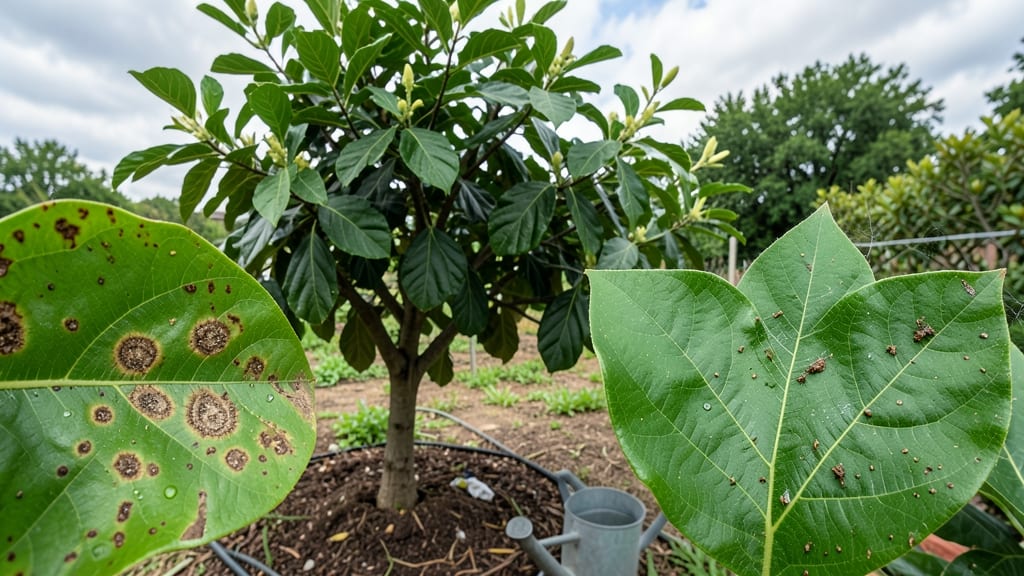
Your avocado tree’s brown spots on leaves might look like a death sentence, but they’re usually fixable with the right approach—no chemicals required.
Picture this: you’ve nurtured your 🥑 for months, only to wake up one morning and spot those ugly brown patches creeping across the leaves. Before you panic, know that these marks often point to fungal infections or simple environmental stress, and the fixes are simpler than you’d think.
From overwatering to poor airflow, the culprits behind those spots are easier to spot than you’d believe. The good news? With a few targeted adjustments—like pruning, natural sprays, and better watering habits—you can bring your tree back to full, vibrant health in no time.
Below, I’ll walk you through the most common causes, fast-acting organic remedies, and long-term care tweaks to keep your avocado tree thriving without a single harsh chemical.
Common fungal causes of brown spots on avocado tree leaves
When you spot brown spots on avocado tree leaves, your first thought might be disease—but not all cases are fungal. However, three common fungi frequently attack avocado trees, thriving in warm, humid conditions.
These pathogens don’t just discolor leaves; they weaken the tree’s defense system, making it vulnerable to further stress. Understanding their symptoms and triggers is the first step to saving your tree.
Fungal infections often start with tiny dark spots that expand into larger, irregular patches. Over time, these spots may turn yellow or brown, and infected leaves can curl or drop prematurely.
The key to prevention lies in recognizing these early signs and addressing the environmental conditions that encourage fungal growth, such as overwatering or poor drainage.
Below is a breakdown of the most common fungal culprits behind brown spots on avocado leaves, along with their distinct symptoms and ideal growing conditions. This will help you diagnose the issue accurately and take targeted action.
Phytophthora is one of the most aggressive fungal threats to avocado trees, particularly in waterlogged soils. This pathogen causes root rot and leaf blight, leading to dark, water-soaked spots that expand rapidly. If left untreated, Phytophthora can kill young trees within weeks. The fungus thrives in soggy conditions, so improving drainage is critical to preventing its spread.
Another common offender is Colletotrichum, which causes anthracnose disease. This fungus appears as tiny brown spots with yellow halos on leaves, often accompanied by premature leaf drop.
Unlike Phytophthora, Colletotrichum spreads through wet foliage, making it essential to avoid overhead watering and ensure proper spacing between plants for airflow.
Cercospora leaf spot is the third major fungal culprit, characterized by purple-brown spots with gray centers. These spots often appear on older leaves first and can cause leaf scorch if humidity remains high. Cercospora thrives in humid, poorly ventilated areas, so pruning to improve airflow and watering at the soil level (not the leaves) can help prevent outbreaks.
All three fungi share one thing in common: they love moisture. Whether it’s from overwatering, poor drainage, or high humidity, these conditions create the perfect breeding ground for fungal spores.
The good news? With proactive care, you can starve these pathogens out by adjusting your watering habits and improving your tree’s growing environment.
Next, we’ll explore natural remedies to eliminate brown spots and prevent recurrence without relying on harsh chemicals. These solutions focus on strengthening your tree’s defenses while creating an environment where fungi can’t thrive.
Natural remedies to eliminate brown spots and prevent recurrence
Brown spots on your avocado tree leaves often signal fungal infections like anthracnose or leaf spot. The good news? You can tackle these issues organically without synthetic fungicides.
Start with copper fungicide sprays, which are effective against many fungal pathogens while being safe for your tree and the environment.
For a gentler approach, neem oil solutions work wonders as a natural fungicide and insect repellent. This oil disrupts fungal growth and strengthens your tree's natural defenses. Combine it with baking soda mixtures for an extra boost—this combo is particularly effective for mild infections.
⚠️ callout tip
✂️ Quick Fix for Avocado Spots
Prune infected leaves immediately to stop spread. Use sterilized shears and dispose of clippings in the trash—not compost—to prevent reinfection.
⏰ Best time: Early morning (leaves dry faster, reducing fungal growth).
To make a copper fungicide spray, mix 1 teaspoon of copper sulfate with 1 gallon of water and 1 teaspoon of liquid soap as a surfactant. Spray the solution on both sides of the leaves, focusing on the brown spots and surrounding areas.
Apply this remedy every 7-10 days until the spots disappear, typically within 2-3 weeks of consistent treatment.
For a neem oil solution, combine 1 tablespoon of neem oil, 1 teaspoon of mild liquid soap, and 1 quart of water. Shake well before spraying, as neem oil separates from water.
Apply this mixture every 14 days during the growing season. Neem oil is safe for most plants but avoid spraying in direct sunlight to prevent leaf burn.
A baking soda spray is another simple remedy. Mix 1 teaspoon of baking soda, 1 quart of water, and a few drops of liquid soap. This solution helps raise the leaf's pH slightly, making it inhospitable to fungi.
Spray the leaves thoroughly once a week until the brown spots fade. Always test a small area first to ensure your tree tolerates the treatment.
After treating your avocado tree, focus on preventing recurrence. Ensure proper air circulation by pruning dense foliage and avoid overhead watering to keep leaves dry. Mulch around the base of the tree to improve soil health and reduce humidity at the root level.
These steps create an environment less conducive to fungal growth.