
Pruning
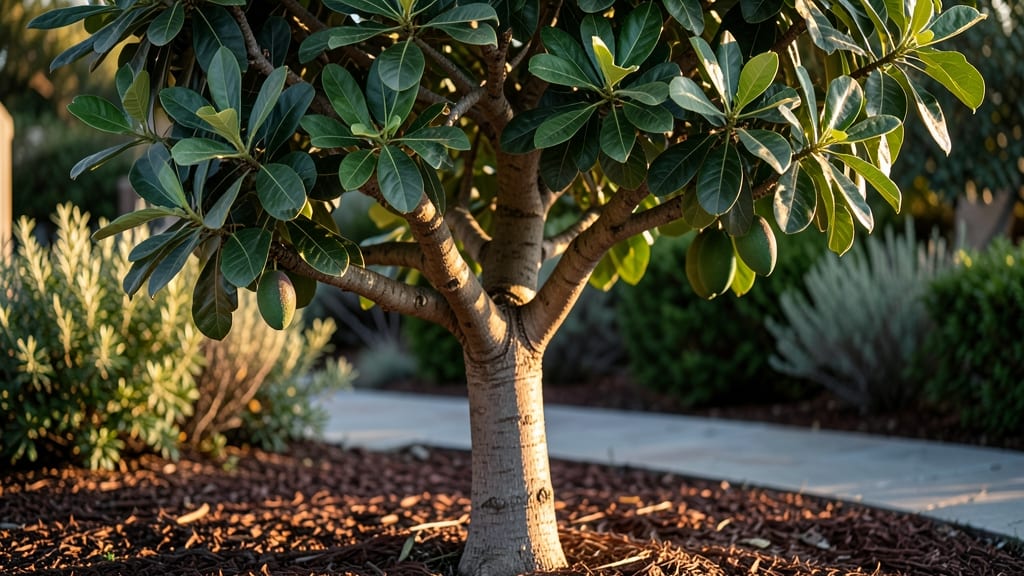
Growing a thriving avocado tree 🥑 depends almost entirely on getting its sunlight needs right.
Picture this: your avocado tree sits in a sunny spot, but instead of lush green leaves and potential fruit, it’s leggy, sparse, and struggling. That’s the classic sign of sunlight mismanagement—a problem more common than you’d think, even among experienced growers.
Avocado trees crave full sun exposure, typically 6+ hours daily, but they’re not one-size-fits-all. Tropical varieties handle intense midday rays better than temperate ones, and indoor trees need artificial light tricks to mimic natural sunlight.
Get the balance wrong, and you’re left with a tree that looks healthy but never bears fruit.
In this guide, I’ll break down the exact sunlight hours your avocado tree needs, how to spot when it’s not getting enough, and the surprising shade trade-offs that can actually help in hot climates.
Whether you’re in USDA Zone 6a or a warmer region, these insights will keep your tree happy and productive.


How many sunlight hours does an avocado tree need daily?
If you're dreaming of homegrown avocados, understanding your tree's sunlight needs is absolutely critical. Avocado trees thrive in full sun exposure, but the exact hours vary by variety and growing conditions.
For most varieties, 6 to 8 hours of direct sunlight daily is ideal, but some tropical types can handle even more. Let’s break down the specifics so you can give your avocado tree the perfect light balance for healthy growth and fruit production.
Not all avocado trees are created equal when it comes to sunlight. The three main varieties—Mexican, West Indian, and Guatemalan—each have unique preferences. Mexican varieties, for example, are more cold-hardy and adaptable, while West Indian types love intense sun and heat.
Knowing your tree’s heritage helps you fine-tune its light exposure for optimal results. Let’s dive into the details to ensure your avocado tree gets just the right amount of sunshine.
🌱
| Variety | Ideal Sunlight Hours | Shade Tolerance | Best Growing Zones |
|---|---|---|---|
| Mexican (e.g., Hass, Fuerte) | 6-8 hours | Moderate (tolerates partial shade) | USDA Zones 8-11 |
| West Indian (e.g., Lula, Choquette) | 8-10+ hours | Low (needs full sun) | USDA Zones 10-11 |
| Guatemalan (e.g., Reed, Pinkerton) | 7-9 hours | Moderate (adapts to partial shade) | USDA Zones 9-11 |
The Mexican varieties, like the popular Hass avocado, are the most adaptable and can thrive with 6 to 8 hours of sunlight. They’re also more cold-tolerant, making them a great choice for gardeners in USDA Zones 8-11.
If you’re growing a Mexican variety in a cooler climate, you might notice slower growth or fewer fruits if sunlight drops below 6 hours daily.
On the other hand, West Indian varieties are tropical powerhouses that demand 8 to 10+ hours of full sun. These trees are less forgiving when it comes to shade and are best suited for USDA Zones 10-11, where the climate mirrors their native habitat.
If you’re in a hotter region, providing afternoon shade can actually help prevent sunburn on leaves, but morning sun is non-negotiable.
For Guatemalan varieties, the sweet spot is 7 to 9 hours of sunlight. They strike a balance between the other two types, making them a versatile choice for gardeners in USDA Zones 9-11.
These trees can handle partial shade better than West Indian types but still need plenty of light to produce fruit. If you’re growing a Guatemalan variety in a cooler zone, consider using a greenhouse or grow lights to supplement natural light during shorter winter days.
Seasonal adjustments are key to keeping your avocado tree happy year-round. In summer months, when days are long and intense, your tree might need protection from the harsh afternoon sun, especially in desert or tropical climates.
Use a light shade cloth (30-50%) to filter direct sunlight without cutting off all light. In winter, when daylight hours shrink, supplement with a grow light if your tree isn’t getting enough natural light.
To measure sunlight exposure accurately, use a sunlight tracker or app like Sun Surveyor. These tools help you map out how much direct sunlight your garden receives throughout the day. Alternatively, observe your yard during the peak sunlight hours (10 AM to 4 PM) and note where shadows fall.
Avocado trees need direct sunlight, not just bright light, so avoid spots where other plants or structures cast long shadows.
If you’re growing your avocado tree in a container, place it in the sunniest spot you can find, like a south-facing patio or balcony. Rotate the pot every few weeks to ensure even growth, as avocado trees tend to lean toward the light.
For indoor growers, a south-facing window or a grow light setup providing 10-12 hours of light daily is essential to mimic outdoor conditions.
Remember, the goal is to strike a balance. Too little sunlight leads to weak stems, yellow leaves, and poor fruit production, while too much can cause leaf scorch or sunburn.
By tailoring your approach to your specific avocado variety and growing conditions, you’ll set your tree up for success—leading to a bountiful harvest of creamy, delicious avocados.
🌿
Signs your avocado tree isn't getting enough sunlight (and how to fix it)
If your avocado tree leaves are turning yellow or the stems feel weak, it’s likely starving for sunlight. These visual symptoms signal your tree isn’t getting the 6+ hours of direct sun it craves daily.
Without enough light, your tree may grow lush foliage but struggle to produce fruit-bearing flowers—or worse, drop leaves entirely.
Avocado trees thrive in full sun, but even partial shade can stunt growth. The key is recognizing early signs before the problem worsens. For example, pale yellow leaves (chlorosis) or leggy, sparse branches are red flags.
These issues often appear when trees are moved from indoor light to outdoor shade or placed under dense foliage.
⚠️ Warning: Sunlight Deficiency Can Kill Your Tree
Avocado trees in low light suffer from nutrient deficiencies and weak stems. Without intervention, they may:
- Drop leaves to conserve energy
- Develop fungal spots from stress
- Fail to flower or fruit
Fix it fast: Move your tree to sunnier spot or supplement with grow lights (12+ hours/day). Gradual exposure prevents shock!
To diagnose the issue, check the location of yellowing leaves. If they’re on the lower branches, the problem is likely insufficient sunlight. If they’re on upper leaves, overwatering or poor drainage may be the culprit.
Test your tree’s light exposure by placing a white piece of paper under the canopy—if shadows are faint, your tree needs more sun.
If relocating isn’t an option, supplemental lighting can save your tree. Use LED grow lights (full-spectrum) 12–14 hours daily, positioning them 12–18 inches above the canopy.
For outdoor trees, prune nearby shade trees or thin dense branches to improve airflow and light penetration. Mexican varieties tolerate shade slightly better but still need 4+ hours of direct sun.
For container-grown avocados, rotate the pot quarter-turns weekly to ensure even light exposure. If your tree is indoors, a south-facing window is ideal, but supplement with lights during short winter days. Avoid placing trees near west-facing windows, where afternoon heat can scorch leaves while still limiting light.
Remember: Gradual acclimation is key. If your tree is indoors, move it outside for 1–2 hours daily, increasing exposure over 2–3 weeks. Sudden full sun can cause sunburn (brown patches).
Monitor your tree’s progress—within 4–6 weeks, you should see darker green leaves and firmer stems as a sign of improvement.