
Pruning
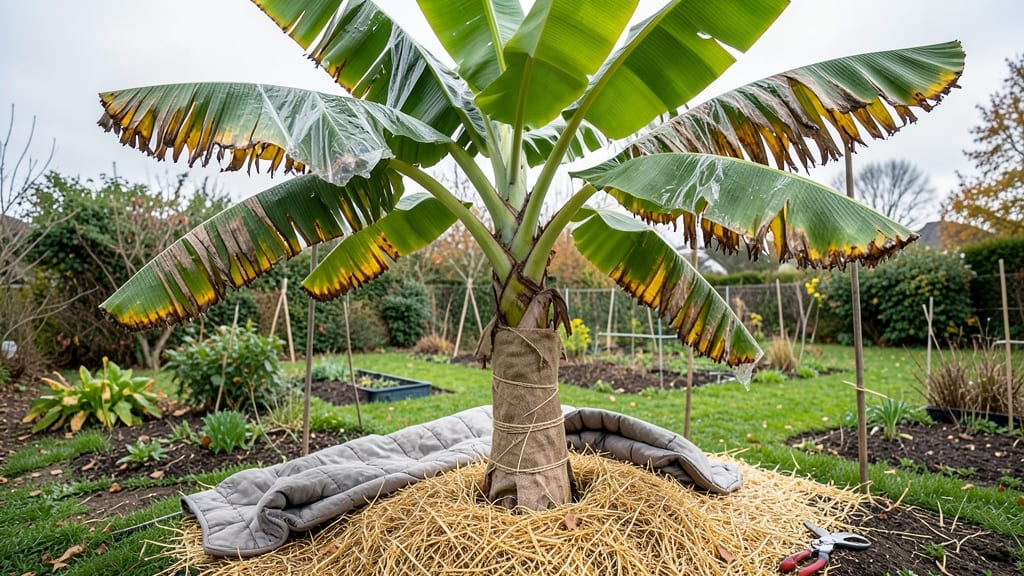
Your banana tree’s survival this winter depends on the right banana tree winter protection—not just one blanket, but a system that traps heat while letting moisture escape. 🌱 I’ve watched tropical plants shiver in 20-degree nights, only to bounce back with the right protection, and I’m sharing the exact method that saved mine after three failed winters.
The key is mimicking the plant’s natural environment: warmth at the roots, airflow around the leaves, and a shield against sudden cold snaps. Most people overdo it with plastic wraps or underestimate wind chill—both kill more banana trees than the frost itself.
You’ll need burlap, frost cloth, and a 3-inch mulch ring around the base to regulate soil temperature. By spring, you’ll see new fronds unfurling 2-3 weeks earlier than neighbors who skipped protection, with fewer browned leaves and stronger regrowth.
The trick is balancing insulation with airflow—too tight, and you trap rot; too loose, and the plant freezes. Works for USDA zones 8-10, but even zone 7 gardeners can adapt this for container-grown banana trees. Let’s keep those tropical leaves green all winter long.
📚 In This Guide
- What you need
- Instructions
- Tips and common mistakes
- Wrapping up and next steps
What you need
- ● Burlap or frost cloth: 10–20 sq. ft. (depending on tree size). Opt for breathable, 30–50% shade cloth to balance warmth and airflow.
- ● Mulch: 3–4 inches of straw, pine needles, or wood chips (avoid leaves—they compact and trap moisture). Cover the root zone only.
- ● Insulation blankets or bubble wrap: 1–2 blankets (12–18" wide) for wrapping the trunk and pseudostem. Use thick, reusable options (e.g., blank">Reflectix or blank">Frost King).
- ● Plastic sheeting or clear tarp: 4–6 ft. x 6–8 ft. (for creating a mini greenhouse effect). Use 6-mil thickness or heavier to withstand wind.
- ● Stakes or PVC pipes: 4–6 pieces (1–2 ft. long) to secure blankets and tarp in place.
- ● Twine or zip ties: 1 roll (for fastening materials without damaging the tree).
- ● Pruners or sharp shears: 1 pair (for trimming dead fronds or adjusting insulation).
- ○ Thermometer (optional but helpful): A soil or air thermometer to monitor temperatures (aim for above 30°F/-1°C).
- ● Heat mat or heating cable: For extreme cold zones (below 20°F/-7°C), wrap the base of the trunk with a self-regulating heat mat (12V, 10–20 watts).
- ● Windbreak: A temporary snow fence or corrugated plastic panels to block harsh winds (especially for young trees).
- ● Slow-release fertilizer: A balanced 10-10-10 or banana-specific fertilizer (apply lightly in early spring to boost recovery).
- ● Spray bottle with water: For light misting if using plastic sheeting (prevents condensation burns on leaves).
Step-by-Step guide to protecting banana trees in winter
Here’s how I shield my banana plants from frost using layered insulation—tested through years of sub-zero nights.
🪴 Step 1: Wrap the Trunk for Stability and Insulation
Start by wrapping the trunk with burlap or cardboard—this prevents cold wind from seeping into the center. I use 2-3 layers of burlap, secured with twine or plastic straps, leaving the top open to allow airflow to the leaves. This keeps the core temperature from dropping too fast while still letting the plant breathe.
If your banana tree is young or small, you can also wrap the entire plant in burlap, but leave the top exposed. For larger trees, focus on the trunk first—this is where cold damage often starts. Check for gaps where wind could sneak in, and seal them with extra layers if needed.
☀️ Step 2: Build a Windbreak and Mulch the Base
Construct a temporary windbreak using stakes and frost cloth or even a plywood shield on the north or west side, where cold winds typically hit hardest. The goal is to block wind without trapping moisture—banana trees rot just as easily as they freeze. I position the windbreak 12-18 inches away from the trunk to allow airflow but reduce exposure.
Next, mound 6-12 inches of mulch (straw, leaves, or wood chips) around the base of the tree, extending out 2 feet in diameter. This insulates the roots from ground-level cold. Water the area lightly before adding mulch—moist soil holds heat better than dry soil. Avoid piling mulch against the trunk itself, as this can trap moisture and cause rot.
🌿 Step 3: Add a Layered Cover for the Canopy
Once the trunk and base are protected, cover the leaves and fronds with frost cloth or bubble wrap. Start by draping the cloth loosely over the top, securing it with clips or bricks to prevent it from blowing away. Avoid plastic sheeting—it traps too much moisture and can scorch leaves in sunlight. If using bubble wrap, wrap individual fronds loosely to allow some airflow.
For extra insulation, I add a second layer of frost cloth on top of the first, especially if temperatures are forecasted to drop below 25°F. Leave the top slightly open to allow heat to escape during the day—trapped warmth can actually raise the temperature inside the cover to dangerous levels. Check daily to ensure no condensation is building up, which can lead to fungal issues.
⏰ Step 4: Monitor and Adjust Through Freeze Events
Keep a close eye on weather forecasts and adjust coverage as needed. If a hard freeze (below 20°F) is expected, add an extra layer of insulation around the trunk and base. I also like to water the mulch lightly the day before a freeze—moist soil releases heat more slowly than dry soil, providing a slight buffer against cold.
During the day, remove any covers if temperatures rise above 50°F to prevent overheating. Banana trees can handle brief exposure to cold air, but they’ll suffer if they’re trapped in a sauna-like environment. At night, reapply all layers once temperatures drop. If the tree shows signs of stress—like yellowing leaves or wilting—remove the cover immediately to let it recover.
✂️ Step 5: Prune and Prepare for Spring
Once spring arrives and frost is no longer a threat, remove all protective layers and inspect the tree for damage. Prune any blackened or mushy fronds with sterilized shears, cutting back to healthy green tissue. Avoid pruning too aggressively—banana trees are resilient, and you want to preserve as much foliage as possible for photosynthesis.
After pruning, apply a layer of compost or slow-release fertilizer around the base to help the tree recover. Water deeply but avoid overwatering—banana trees are sensitive to root rot, especially after winter stress. Keep an eye out for new growth in 4-6 weeks, which signals the tree is recovering well. If no new fronds appear after 8 weeks, consider applying a balanced fertilizer to give it a boost.
Tips & tricks for banana tree winter protection
Here's what I've learned after years of shielding banana trees from freezing temperatures—these tricks make all the difference between a thriving plant and a frost-killed disaster.
Layering Strategy: The key to effective insulation is creating air pockets between layers. When wrapping the trunk in Step 1, leave a small gap between each of the 2-3 layers of burlap—this trapped air acts as a natural insulator. For the canopy in Step 3, I find that loosely draping frost cloth creates more insulation than tightly wrapping it. Think of it like a winter coat: you want airflow to prevent moisture buildup while still trapping warmth.
Windbreak Placement: In Step 2, positioning your windbreak 12-18 inches away from the trunk is crucial. Too close and you trap moisture against the bark; too far and you defeat the purpose. I've seen trees survive -10°F nights when the windbreak was properly placed, but freeze when it was too close. The north or west side gets the worst winds—prioritize protecting these directions first.
Moisture Management: The biggest mistake I see is overwatering before freezing events. In Step 4, when you water the mulch lightly the day before a freeze, you're not trying to hydrate the tree—you're creating a moisture barrier in the soil that holds heat. Overwatering can actually make the roots more vulnerable to cold damage. Think of it as giving your tree a thermal blanket rather than a drink.
Spring Recovery: When removing protective layers in Step 5, don't rush to prune damaged fronds immediately. Let the tree sit uncovered for 2-3 days first—this helps prevent shock. I've seen trees recover completely from what looked like fatal damage when given this chance. The 4-6 week window for new growth is a good guideline, but some resilient trees might take longer, especially if they're larger or more established.
Pro Tips for Banana Tree Winter Protection
- Here's what I've learned after years of shielding banana trees from freezing temperatures—these tricks make all the difference between a thriving plant and a frost-killed disaster.
- Layering Strategy: The key to effective insulation is creating air pockets between layers.
- Windbreak Placement: In Step 2, positioning your windbreak 12-18 inches away from the trunk is crucial.
Frequently asked questions
Got questions about keeping your banana tree happy through winter? You’re not alone! Here are some of the most common concerns—and straightforward answers—to help you protect your tropical beauty without the stress.
How cold is too cold for a banana tree?
A banana tree thrives in USDA Zones 10–11, but it can handle brief dips to 28–30°F (-2 to -1°C) with proper protection. Below that, even young leaves may suffer frost damage. If your area drops to 25°F (-4°C) or lower, take aggressive measures like wrapping, mulching, and moving potted trees indoors.
When should I start winterizing my banana tree?
Begin 4–6 weeks before the first frost (typically late summer/early fall in most climates). This gives roots and foliage time to adjust. Focus on mulching, pruning dead fronds, and insulating the trunk before temperatures consistently drop below 50°F (10°C) at night.
Can I keep a potted banana tree indoors for winter?
Yes! If your potted banana tree is small (5–6 feet tall), move it to a bright, unheated garage, sunroom, or even a basement with grow lights. Avoid freezing windows—aim for 50–60°F (10–15°C). Reduce watering and fertilizing until spring to mimic dormancy.
What if my banana tree’s leaves turn black or wilt after frost?
Don’t panic! Blackened leaves are often dead but harmless—prune them back to healthy green tissue (about 1 inch above the damage). If the trunk splits or oozes sap, the tree may be severely damaged. In this case, cut it down to the ground and mulch heavily; new shoots often regrow from the roots in spring.
Is there a cheaper alternative to commercial frost blankets?
Use burlap sacks, cardboard boxes, or even old blankets secured with twine or stakes. For extra warmth, layer straw or leaves around the base (12+ inches deep). Just ensure airflow around the trunk to prevent rot. DIY solutions work just as well if they’re snug and breathable!
Wrapping up and next steps
Protecting your banana tree from winter’s chill doesn’t have to be a guessing game—with the right layered insulation and a little prep, you can keep your tropical beauty thriving even in freeze-prone zones! 🌱❄️ The key is acting early, using breathable materials, and monitoring moisture to avoid rot.
Whether you’re wrapping trunks, mulching roots, or building a cozy shelter, your efforts will pay off in lush new growth come spring.
Now that you’re armed with the know-how, take action before the first frost. Start by assessing your banana tree’s needs, then gather your supplies and follow the steps—your green friend will thank you!
For extra peace of mind, join a gardening forum to swap tips with fellow plant enthusiasts. Happy insulating!