
Leaf Blower
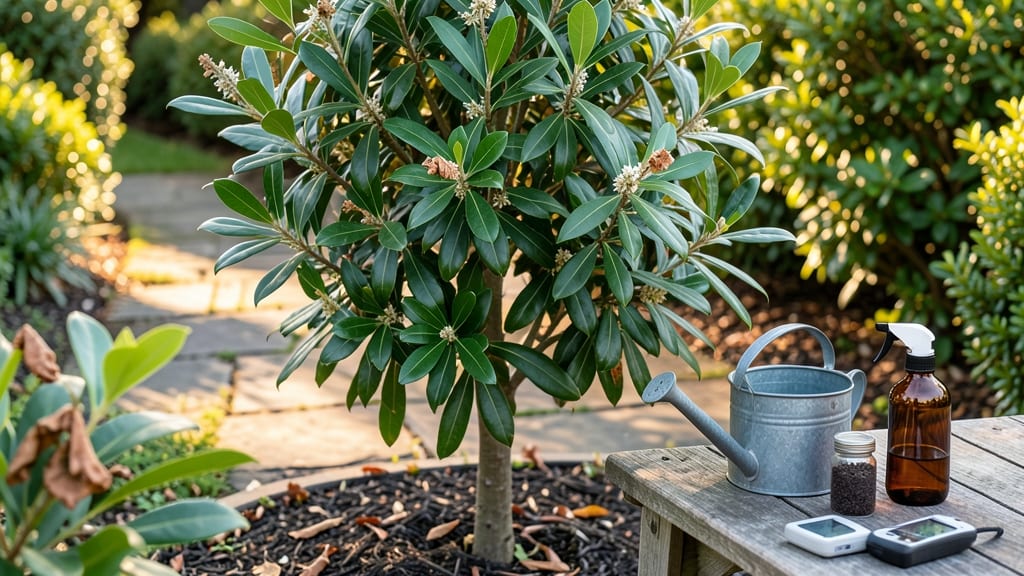
Bay leaf tree leaves turning brown can feel like a death sentence for your kitchen herb garden—but it’s almost always fixable. 🌿 I’ve nursed back more than my share of crispy-edged bay trees, and the culprits are usually one of three things: water stress, hidden pests, or a nutrient imbalance you can spot with a quick inspection.
The first step is checking the soil—stick your finger in about an inch. If it’s bone dry, you’ve underwatered (brown edges mean thirsty roots); if it’s soggy, you’ve overwatered (yellowing leaves confirm it). Bay trees prefer their soil to stay lightly moist but never soggy, and they hate wet feet.
While you’re there, flip the pot to peek at the drainage holes—if they’re clogged, that’s your problem.
Once you’ve ruled out water issues, turn your attention to the leaves. Brown spots with yellow halos? Fungal trouble. Tiny black dots on the undersides? Spider mites. Strip off a few affected leaves and inspect them closely—this is where most bay trees get saved.
A simple fungicide spray or neem oil treatment can turn things around in just a few weeks.
Long-term, keep your bay tree in bright, indirect light (no harsh afternoon sun) and fertilize lightly every 6-8 weeks with a balanced houseplant food. The payoff? A tree that stays lush, fragrant, and productive for years—no more sad, crunchy leaves in your cooking.
Root Causes Of Browning Leaves
When your bay leaf tree’s leaves start turning brown, it’s rarely a random act of nature—there’s usually a specific trigger behind the discoloration. Understanding these causes is the first step to restoring your tree’s vibrant green foliage.
Below, we break down the most common reasons why bay leaf tree leaves brown, along with the science behind each issue.
Bay leaf trees (Laurus nobilis) thrive in well-drained soil, and when they’re overwatered or left sitting in soggy conditions, their roots struggle to breathe.
This leads to root rot, a fungal infection that cuts off the tree’s nutrient and water supply, causing leaves to yellow and eventually turn brown.
The science: Excess moisture in the soil creates anaerobic conditions, where harmful bacteria and fungi like Phytophthora flourish. These pathogens block the roots’ ability to absorb water and nutrients, triggering chlorosis (loss of chlorophyll) and browning.
Actionable fix:
- Check soil moisture by sticking your finger 2 inches deep—water only if it’s dry.
- Ensure pots have drainage holes and use a mix of 60% potting soil, 30% perlite, and 10% sand for optimal aeration.
- If root rot is suspected, trim affected roots with sterilized pruners and repot in fresh, dry soil.
While overwatering is a common culprit, underwatering can also cause bay leaf tree leaves to brown—especially in hot, dry climates. When soil dries out completely, the tree’s cells lose turgor pressure, leading to desiccation (drying out) of leaf edges and tips.
The science: Bay leaf trees are native to Mediterranean regions, where they’re adapted to moderate drought. However, prolonged dryness triggers abscisic acid production, a plant hormone that signals leaf drop and browning as a survival mechanism.
The edges of leaves are the first to show stress because they have the highest surface area for water loss.
Actionable fix:
- Water deeply once a week (or more in extreme heat), ensuring moisture reaches the root zone (6–8 inches down).
- Use mulch around the base to retain soil moisture and regulate temperature.
- Move potted trees to shadier spots during peak afternoon sun to reduce evaporation.
Bay leaf trees are heavy feeders, and a lack of key nutrients—particularly nitrogen, magnesium, or iron—can cause browning leaves. Each deficiency manifests differently:
- Nitrogen deficiency: Older leaves turn yellow between veins before browning (a classic sign of chlorosis).
- Magnesium deficiency: Interveinal browning (brown patches between green veins) starts on older leaves.
- Iron deficiency: Young leaves develop yellowing with brown edges, a condition called limbe disease.
The science: These nutrients are essential for chlorophyll production and enzyme function. In alkaline soils (pH > 7.0), iron becomes unavailable to plants, even if it’s present in the soil. Magnesium, a central atom in chlorophyll, is also leached out by overwatering.
Actionable fix:
- Test soil pH—aim for 6.0–7.0. If alkaline, amend with peat moss or sulfur.
- Fertilize with a balanced 10-10-10 NPK fertilizer in spring and summer.
- For magnesium, apply Epsom salt (1 tbsp per gallon of water) every 4–6 weeks.
- Use chelated iron supplements if chlorosis persists.
Bay leaf trees are susceptible to pests like spider mites, scale insects, and thrips, as well as fungal diseases such as anthracnose or leaf spot. These invaders damage leaf tissue, disrupting water and nutrient flow and causing brown spots, wilting, or premature leaf drop.
The science:
- Spider mites pierce cells to feed on sap, causing stippling (tiny brown dots) and webbing on undersides of leaves.
- Scale insects suck plant juices, leading to yellowing and brown, crinkled leaves.
- Fungal pathogens like Colletotrichum (anthracnose) create dark, sunken lesions with brown margins.
Actionable fix:
- Inspect leaves weekly for pests—use a magnifying glass if needed.
- Spray infested areas with neem oil or insecticidal soap (repeat every 5–7 days).
- Prune and dispose of heavily infected leaves to prevent spread.
- Apply copper fungicide if fungal diseases are present.
Bay leaf trees are sensitive to extreme temperature swings, salt buildup, or air pollution. Brown leaves can result from:
- Cold damage: Frost or sudden temperature drops (<32°F) cause cell rupture, leading to brown, mushy leaves.
- Salt burn: Over-fertilization or hard water leaves behind salt deposits in the soil, which dehydrate roots and cause browning.
- Air pollution: Gases like ozone or sulfur dioxide (common in urban areas) create brown necrotic spots on leaves.
The science: Cold stress triggers ice crystal formation in leaf cells, disrupting membranes. Salt buildup raises soil osmotic pressure, making it harder for roots to absorb water. Pollutants like ozone (O₃) react with leaf surfaces, forming oxidative damage.
Actionable fix:
- Protect trees from frost with burlap wraps or row covers.
- Flush soil with water 3 times to leach out excess salts (especially in potted trees).
- Move trees away from roads or industrial areas if air pollution is suspected.
- Use rainwater or distilled water for potted trees to avoid salt buildup.
By identifying the exact cause of browning in your bay leaf tree, you can target the issue with precision. Act quickly—the longer you wait, the more stress the tree endures, and recovery becomes harder. Next, we’ll dive into step-by-step revival strategies tailored to each problem! 🌿🔥
Quick Fixes for Reviving Your Tree
When your bay leaf tree’s foliage starts turning brown, acting fast can mean the difference between a full recovery and permanent damage. Below, we’ve mapped out practical solutions for the most common causes—plus prevention tips to keep your tree thriving.
Let’s get your bay leaf tree back to its vibrant, healthy self!
If your bay leaf tree’s leaves are turning brown and mushy, root rot from overwatering is likely the culprit. These trees prefer well-draining soil and hate soggy roots.
How to Fix It: 🔥 Stop Watering Immediately – Let the top 1–2 inches of soil dry out completely before watering again. 🍳 Repot in Fresh, Dry Soil – If the roots are visibly rotten (black, mushy, or smelly), trim the affected parts with sterilized pruning shears and repot in a mix of cactus/succulent soil + perlite for better drainage. 👨🍳 Check the Pot – Ensure it has drainage holes at the bottom.
If not, drill them or switch to a pot with holes. 🥘 Adjust Your Watering Routine – Water only when the topsoil is bone-dry (about every 1–2 weeks, depending on climate). In winter, reduce watering further.
💡 Pro Tip: If repotting isn’t an option, bury a handful of sand or gravel at the bottom of the pot to improve drainage.
Brown, crispy leaves with yellowing edges? Your bay leaf tree might be thirsty. These trees are drought-tolerant but still need consistent moisture—especially in hot or dry conditions.
How to Fix It: 🔥 Water Deeply and Slowly – Soak the soil until water drains from the bottom of the pot. Avoid light sprinkles that only wet the surface. 🍳 Mist the Leaves – Bay trees love humidity.
Mist the foliage 2–3 times a week (or place the pot on a pebble tray with water). 👨🍳 Move to a Shadier Spot – If your tree is in direct, scorching sun, relocate it to bright, indirect light (east or north-facing windows are ideal). 🥘 Use a Moisture Meter – Stick one in the soil to track moisture levels.
Aim for 40–60% humidity around the roots.
🌡️ Pro Tip: Grouping your bay tree with other plants creates a microclimate that retains moisture naturally.
Bay leaf trees hate sudden temperature drops and dry air, which can cause brown, brittle leaves—especially in winter or near heating vents.
How to Fix It: 🔥 Keep It Warm – Ideal temps are 65–75°F (18–24°C). Avoid placing it near drafts, AC units, or heaters. 🍳 Boost Humidity – Use a humidifier near the plant or place the pot on a wet pebble tray.
Grouping plants together also helps. 👨🍳 Avoid Cold Drafts – Keep it away from windows in winter (cold glass can shock the leaves). 🥘 Gradually Acclimate – If moving indoors/outdoors, do it slowly (over 1–2 weeks) to prevent shock.
✨ Pro Tip: Wipe leaves with a damp cloth weekly to remove dust, which can block pores and worsen stress.
Brown, spotted, or powdery leaves could signal fungal issues like powdery mildew or leaf spot. These thrive in humid, stagnant conditions.
How to Fix It:
🔥 Prune Infected Leaves – Snip off brown or spotted leaves with sterilized scissors and dispose of them in the trash (not compost). 🍳 Improve Airflow – Move the tree to a less crowded spot or trim nearby plants blocking airflow. 👨🍳 Apply Fungicide – Use a natural fungicide like:
- Neem oil spray (mix 1 tsp neem oil + 1 tsp mild soap + 1 quart water; spray every 7–10 days).
- Baking soda solution (1 tsp baking soda + 1 quart water + a few drops of dish soap; spray lightly).
🥘 Water at the Base – Avoid wetting leaves to prevent fungal spores from spreading.
🎯 Pro Tip: Prevent recurrence by sterilizing pruning tools with rubbing alcohol after each use.
Yellowing between leaf veins or slow growth? Your bay tree might be nutrient-deficient, especially if it’s been in the same pot for years.
How to Fix It: 🔥 Fertilize Lightly – Use a balanced, water-soluble fertilizer (like 10-10-10) once a month in spring/summer.
Dilute to half-strength to avoid burning roots. 🍳 Repot in Richer Soil – If roots are circling the pot, repot in fresh, well-draining potting mix with a slow-release fertilizer (like osmocote). 👨🍳 Check for Magnesium Deficiency – If leaves turn yellow with brown edges, it may need Epsom salt.
Mix 1 tsp Epsom salt per gallon of water and water the soil monthly. 🥘 Avoid Over-Fertilizing – Too much fertilizer can burn roots, worsening the problem.
💪 Pro Tip: Flushing the soil (watering heavily to leach excess salts) every 3–4 months keeps roots healthy.
Once your bay leaf tree is back in shape, keep it thriving with these habits: ✅ Water wisely – Bottom-watering (placing the pot in a tray of water for 10–15 mins) encourages deep root growth. ✅ Monitor light – Bright, indirect light is key; avoid harsh midday sun. ✅ Prune regularly – Trim yellow or brown leaves to redirect energy to healthy growth. ✅ Rotate the pot – Every few weeks to ensure even light exposure. ✅ Inspect for pests – Check undersides of leaves for spider mites or scale; treat early with insecticidal soap.
By tackling the root cause (literally!) and adjusting care, your bay leaf tree should bounce back with lush, green foliage in no time. 🌿✨
Frequently asked questions
Why are my bay leaf tree leaves turning brown only at the edges?
This is usually a sign of underwatering or low humidity. Bay trees prefer consistent moisture, and dry edges indicate the leaves are losing water faster than the roots can supply it. Check soil moisture by sticking your finger 2 inches deep—if it's dry, water deeply until it drains from the pot's bottom.
Can I save my bay leaf tree if the brown leaves are already crispy?
Yes! Prune off the crispy leaves immediately to prevent further stress. The tree can regrow healthy foliage from its remaining green leaves. Focus on adjusting watering (let soil dry slightly between waterings) and increasing humidity with a pebble tray or misting. Recovery typically takes 4-6 weeks with proper care.
What's the difference between brown leaves from overwatering vs. underwatering?
Overwatered leaves turn yellow first, then brown and mushy (often with a foul smell), while underwatered leaves develop crispy, dry brown edges that feel brittle. Check the soil: if it's soggy, you're overwatering; if it's bone-dry, you're underwatering. Both issues need immediate adjustment!
Will cutting back brown leaves help my bay leaf tree recover faster?
Pruning brown leaves redirects energy to healthy growth. Use sterilized scissors to trim affected leaves at the base, and dispose of them in the trash (not compost) to prevent spreading potential diseases. This also improves airflow around the plant, reducing humidity-related issues.
How often should I fertilize a bay leaf tree with brown leaves?
If your tree shows signs of nutrient deficiency (like yellowing between veins), use a balanced 10-10-10 fertilizer diluted to half-strength every 4-6 weeks during spring/summer. Avoid fertilizing in winter or if the soil is already damp. For magnesium deficiency (brown patches between veins), use Epsom salt solution (1 tsp/gallon) monthly.