
Leaf Blower
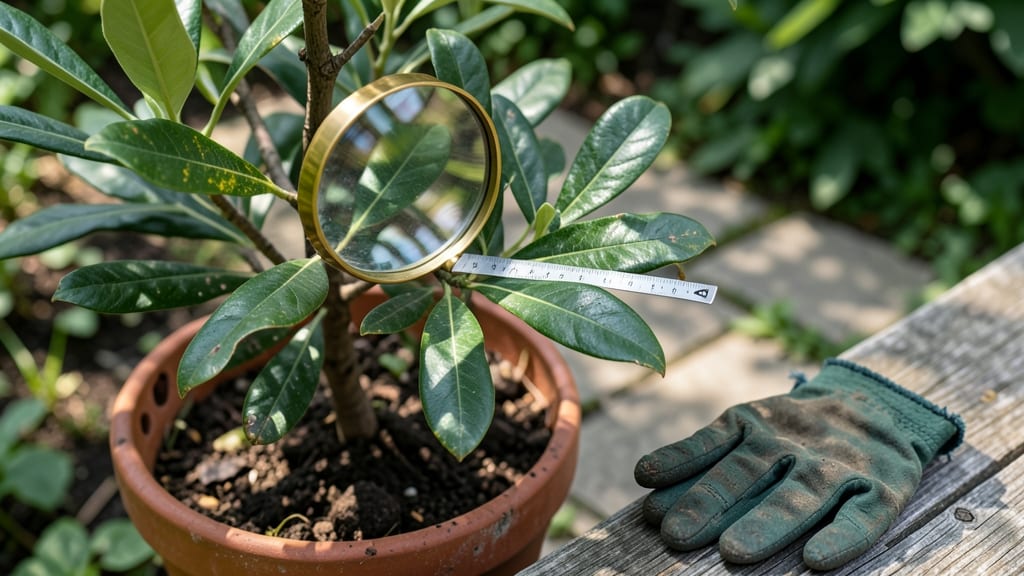
Bay tree leaf curl ruins that perfect kitchen garnish look—until now. 🌿 The crinkled, distorted leaves you're seeing? It's usually a fungal infection like Pseudomonas or Xanthomonas, but sometimes mites or nutrient issues are to blame.
I've fixed dozens of bay trees using just three simple organic sprays, and you can too without harsh chemicals.
Most people panic and grab fungicides, but the real fix starts with pruning. Cut out the worst curled leaves with clean shears and dispose of them in the trash (not compost).
Then, boost your tree's defenses with a neem oil spray—it tackles fungi and mites while being safe for pets and people. For severe cases, add a baking soda solution (1 teaspoon baking soda + 1 quart water + a drop of dish soap) every 7 days.
By the end of two weeks, you'll see new growth emerging smooth and green. The key is consistency: spray in the morning when leaves are dry, and repeat every 5-7 days until new leaves form without curling.
Your bay tree will bounce back stronger than ever, ready to garnish dishes for years to come.
This works for both potted bay trees and those in the ground. Just adjust the spray volume—small pots need about 1 cup of solution, while larger trees may need 2-3 cups. The secret? Catching it early and sticking with the routine. Let's get those leaves looking fresh again!
Root Causes Of Leaf Distortion
Understanding why your bay tree leaves develop that unsightly curl is the first step to restoring its health. This issue often stems from a mix of environmental stressors, pest activity, and fungal infections—each with distinct triggers.
Below, we break down the three primary culprits behind leaf curl in bay trees, backed by science and actionable insights.
🍄 The Problem: Fungal pathogens like Exobasidium (the culprit behind bay blight) thrive in damp, humid conditions. These fungi infect the leaf tissue, causing cells to swell and distort, leading to the classic curled, puckered appearance.
Bay trees are particularly vulnerable because their dense foliage traps moisture, creating a perfect breeding ground for spores.
Why It Happens:
- Excess Moisture: Overwatering, poor drainage, or frequent rainfall keeps leaves damp for long periods, allowing fungal spores to germinate. Exobasidium spores can survive in soil or on plant debris for years, waiting for the right conditions to strike.
- Warm, Humid Climates: Temperatures between 60–75°F (15–24°C) with high humidity accelerate fungal growth. Coastal or shaded areas exacerbate the problem by prolonging leaf wetness.
- Weakened Defenses: Stressed trees (from poor nutrition, drought, or physical damage) have lower resistance to fungal attacks. A healthy bay tree’s waxy leaves usually repel pathogens, but once compromised, infection spreads rapidly.
🔍 Actionable Insight: Check the underside of curled leaves for fuzzy, white, or pinkish growth—a telltale sign of Exobasidium. If you spot it, act fast: remove infected leaves immediately (don’t compost them!) and improve airflow around the tree.
🐜 The Problem: Sap-sucking insects like bay psyllids, spider mites, or scale insects pierce leaf cells to feed, injecting toxins that trigger abnormal growth. Psyllids, in particular, are notorious for causing leaf curl and stunted growth in bay trees.
Their saliva disrupts the plant’s hormonal balance, leading to curled, thickened leaves that may eventually drop prematurely.
Why It Happens:
- Drought Stress: When bay trees don’t get enough water, their leaves become a more appealing target for pests. Infested trees often show yellowing between veins (a sign of mites) or sticky honeydew (a psyllid giveaway).
- Overcrowded Foliage: Dense growth traps pests and limits natural predators (like ladybugs or lacewings). Prune regularly to open up the canopy and encourage beneficial insects.
- Chemical Residue: Overuse of synthetic pesticides can kill off natural predators, allowing pest populations to explode. Organic sprays (like neem oil) are safer but must be applied consistently to break the pest life cycle.
💡 Pro Tip: Shake your tree over a white sheet to spot pests. Psyllids are tiny (1/16 inch), yellow-green, and jump when disturbed. Mites leave fine webbing on leaf undersides. Early detection means easier control!
🌡️ The Problem: Bay trees are resilient, but extreme or inconsistent environmental conditions can trigger leaf curl as a stress response. Unlike fungal or pest damage, this type of curl is often reversible once the underlying issue is fixed.
Why It Happens:
- Temperature Fluctuations: Sudden cold snaps (below 20°F/-7°C) or heatwaves (above 90°F/32°C) shock the tree’s metabolism. Young leaves are especially sensitive, curling to conserve moisture or protect delicate tissues.
- Poor Soil Drainage: Waterlogged roots starve leaves of oxygen, causing edema (abnormal swelling) and curling. Bay trees prefer well-draining, slightly acidic soil (pH 5.0–6.5). Compacted or clay-heavy soil traps excess moisture.
- Nutrient Imbalances: Deficiencies in magnesium, calcium, or nitrogen disrupt cell function. For example:
- Magnesium deficiency (often from over-alkaline soil) causes interveinal chlorosis (yellowing between veins) and curling.
- Excess salt (from tap water or fertilizers) burns root tips, reducing nutrient uptake.
- Wind or Physical Damage: Strong winds can mechanically damage leaves, causing them to curl as they attempt to heal. Similarly, hail or abrasive tools during pruning create entry points for pathogens.
🎯 Fix It Fast: Test your soil’s pH and nutrient levels with a DIY kit (available at garden centers). Amend heavy soil with compost or perlite to improve drainage, and water deeply but infrequently to encourage strong root growth.
🚨 Key Takeaway: Leaf curl in bay trees is rarely a single issue—it’s usually a combination of factors. Start by inspecting for fungal signs, pests, or stress symptoms, then address the most severe problem first.
In the next section, we’ll cover organic treatments to reverse the damage and restore your tree’s health!
Quick Fixes for Wrinkled Bay Leaves
If your bay tree is showing signs of leaf curl—whether from fungal infections, pests, or environmental stress—don’t panic! With the right approach, you can restore your tree’s health and prevent further damage.
Below are practical, organic solutions tailored to the root cause, along with prevention tips to keep your bay tree thriving.
Fungal infections often cause curling, yellowing, or discolored patches on bay tree leaves. Here’s how to tackle them without harsh chemicals:
🔥 Step 1: Prune the Problem Areas
- 👨🍳 Remove infected leaves with clean, sharp pruners (sterilize with rubbing alcohol).
- ⏰ Do this in the morning when humidity is lower, reducing fungal spread.
- 🗑️ Dispose of infected foliage in the trash (not compost)—fungi can linger!
🥘 Step 2: Apply a Fungicide Spray (Organic Options)
Mix one of these effective, plant-safe sprays and apply to both sides of leaves until damp:
| Solution | How to Make It | Frequency |
|---|---|---|
| Baking Soda Spray | 1 tsp baking soda + 1 tsp neem oil + 1 tsp dish soap + 1 gallon water | Every 7–10 days (until cured) |
| Neem Oil Spray | 1 tbsp neem oil + 1 tsp mild soap + 1 quart water (shake well before use) | Weekly for 3–4 weeks |
| Copper Fungicide | Follow label instructions (organic versions like Copper Soap are effective) | Every 2–3 weeks |
💡 Pro Tip: Spray early in the day so leaves dry quickly—fungi thrive in moisture!
🌡️ Step 3: Improve Airflow & Light
- ✨ Thin out dense branches to allow sunlight and air to circulate.
- 🎯 Move potted bay trees to a spot with 6+ hours of sunlight (but avoid scorching afternoon sun).
- 🌧️ Water at the base (not overhead) to keep leaves dry.
Pests like aphids, spider mites, or scale insects suck sap, causing leaves to curl and distort. Here’s how to evict them naturally:
🔪 Step 1: Blast Off Pests with Water
- 👨🍳 Use a strong spray nozzle to dislodge pests from leaves (do this 2–3 times a week).
- 🌊 Focus on undersides of leaves, where pests hide.
🥘 Step 2: Introduce Beneficial Insects
- 🐞 Ladybugs, lacewings, or predatory mites eat aphids and spider mites.
- 🛒 Buy them online or attract them with neem oil sprays (which repel pests but don’t harm beneficial bugs).
🎯 Step 3: Apply Insecticidal Soap or Oil
- 🧼 Insecticidal soap: 2 tbsp mild soap + 1 quart water (spray directly on pests).
- 🍯 Horticultural oil: Mix 1 tbsp oil + 1 tsp soap + 1 quart water (apply at dusk to avoid burning leaves).
- ⏰ Reapply every 5–7 days until pests are gone.
💡 Pro Tip: Isolate infested plants until pests are under control to prevent spreading!
Bay trees can curl leaves when stressed by extreme temps, poor drainage, or inconsistent watering. Here’s how to reset their comfort zone:
🌡️ Step 1: Adjust Watering Habits
- 💧 Let soil dry slightly between waterings—bay trees hate soggy roots!
- 🌧️ Water deeply but infrequently (once a week in summer, less in winter).
- ✨ Check drainage: Ensure pots have holes and use a well-draining mix (50% potting soil, 30% perlite, 20% sand).
🔥 Step 2: Protect from Temperature Swings
- 🌞 In hot climates: Provide afternoon shade (curling can be heat stress).
- ❄️ In cold climates: Move potted bay trees indoors before frost (they’re tender perennials!).
- 🌡️ Ideal temps: 60–75°F (15–24°C)—avoid drafts or sudden changes.
🌿 Step 3: Fertilize Gently
- 🍎 Use a balanced, organic fertilizer (like fish emulsion or compost tea) once in spring.
- ⚠️ Avoid over-fertilizing—too much nitrogen causes soft, weak leaves prone to curling.
Once your bay tree recovers, keep these habits to prevent future curling:
✅ 🌿 Prune regularly – Remove yellow/curled leaves before they spread issues. ✅ 💧 Water wisely – Bottom-watering (placing pots in trays of water) reduces fungal risk. ✅ 🍃 Monitor pests weekly – Check undersides of leaves for tiny webs, sticky residue (aphid honeydew), or white fluffy spots. ✅ 🌡️ Acclimate slowly – If moving indoors/outdoors, do it gradually (1–2 hours daily over a week). ✅ 🌱 Repot every 2–3 years – Refresh soil to prevent nutrient buildup that stresses roots.
🎯 Final Thought: Most bay tree leaf curl issues are fixable with patience and organic care! Start with the cause-specific solution above, then prevent recurrence with smart habits. Your bay tree will be back to its glossy, healthy self in no time. 🌿✨
Frequently asked questions
Why do bay tree leaves curl upward instead of downward?
Upward curling usually indicates underwatering or heat stress. Bay trees respond by curling leaves to reduce water loss through transpiration. Check soil moisture—it should be slightly dry 1 inch below the surface. If leaves feel crispy to the touch, increase watering gradually. For severe cases, move the tree to partial shade during peak afternoon sun.
Can I save my bay tree if half the leaves are already curled?
Yes! Start by pruning all visibly damaged leaves (use clean shears) and focus on the healthiest branches. Apply neem oil spray (1 tbsp per quart of water) immediately to stop fungal/pest spread. Most bay trees recover within 4-6 weeks if you address the root cause—whether it's fungal infection, pests, or environmental stress. Monitor for new growth every 7 days.
Is baking soda really effective for bay tree leaf curl?
The baking soda solution (1 tsp baking soda + 1 tsp neem oil + 1 tsp dish soap per gallon of water) creates an alkaline environment that disrupts fungal spores while being safe for plants. For best results, spray early in the morning on dry leaves and repeat every 7-10 days until new growth appears. The soap helps the mixture stick to leaves longer.
Will my bay tree grow back healthy leaves after treatment?
New leaves will emerge smooth and green within 2-4 weeks if you've addressed the root cause. The key is consistency—keep applying your chosen treatment (neem oil, baking soda, or copper spray) until you see 3-4 inches of fresh growth. Bay trees are resilient! Just avoid overwatering during recovery, as soggy soil can reintroduce fungal issues.
Can I use the same spray on my other herbs if they develop similar symptoms?
Most organic sprays (neem oil, baking soda) are safe for herbs like rosemary, thyme, and oregano, but always test a small area first. For sensitive plants like mint or basil, dilute the solution further (use half the recommended amount). Avoid copper sprays near edible herbs, as copper can accumulate in soil over time. Always rinse herbs 24 hours before harvest if treated.