
Container Gardens
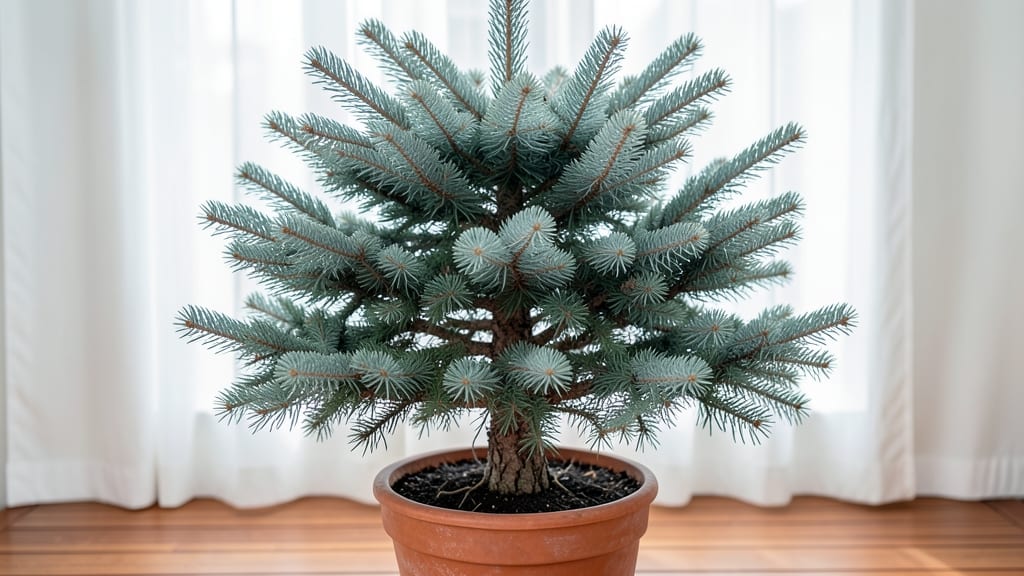
A potted blue spruce Christmas tree brings holiday magic to your porch all year. 🌲 I've grown these stunning evergreens in containers for years, and they stay vibrant even when snowflakes start falling.
The key is mimicking their natural mountain habitat in a pot—well-draining soil, plenty of sunlight, and careful watering that prevents soggy roots.
You'll need a container at least 12 inches wider than the root ball, quality potting mix designed for conifers, and a spot that gets 6+ hours of sun daily. Unlike in-ground spruces, potted versions need regular pruning to maintain their iconic blue-green needles and compact shape.
I prune mine in late winter when new growth starts, using sharp shears to shape rather than thin.
By summer, your tree will have that showstopping holiday look even without decorations. The needles stay soft and fragrant, and the tree grows slowly enough to enjoy for 10+ years with proper care.
The real secret? Moving it indoors for Christmas week—just keep it in a cool, bright room away from heaters.
Watch for root-bound conditions (when roots circle the pot) and spider mites (common on indoor spruces). A simple soapy water spray keeps pests at bay, and repotting every 2-3 years keeps your tree thriving. This isn't just a holiday centerpiece—it's a living heirloom that keeps giving year after year.
📚 In This Guide
- What you need
- Instructions
- Tips and common mistakes
- Wrapping up and next steps
What you need
- ● Potted Blue Spruce Tree: A Picea pungens 'Glauca' (Blue Spruce) sapling or small tree (3–5 feet tall) with a sturdy root ball. Check local nurseries or online retailers for healthy, disease-free specimens.
- ● Container: A large, durable pot (18–24 inches in diameter) with drainage holes. Materials: Fiberglass, plastic, or ceramic (avoid porous clay if in freezing climates).
- ● High-Quality Potting Mix: 3–5 gallons of well-draining, acidic soil mix (pH 5.0–6.0). Look for blends labeled for coniferous trees or amend regular potting soil with peat moss or pine bark (50/50 ratio).
- ● Drainage Layer: 2–3 inches of gravel, perlite, or pumice to prevent root rot.
- ● Slow-Release Fertilizer: A balanced, acid-loving plant fertilizer (e.g., 10-10-10 or 16-4-8) with micronutrients like iron and magnesium.
- ● Watering Can or Hose: With a gentle spray nozzle for even moisture distribution.
- ● Gloves & Pruners: Heavy-duty gardening gloves and sterilized pruning shears (for shaping or trimming).
- ● Mulch: Pine bark or wood chips (1–2 inches) to retain moisture and regulate temperature.
- ● Tree Support: A stake or spiral root collar guard if your tree is top-heavy (especially for windy areas).
- ○ Decorative Accents: Optional holiday-themed pots, lights, or ornaments to enhance your potted tree’s charm!
- ● Soil pH Test Kit: To monitor acidity levels (aim for 5.0–6.0).
- ● Sunlight: A full-sun location (6+ hours of direct sunlight daily). Partial shade is tolerable but may reduce blue pigmentation.
- ● Climate Considerations: If in USDA Zones 3–7, your potted tree can stay outdoors year-round with winter protection (burlap wrap, frost cloth).
- ● For warmer climates (Zones 8+) or indoor use, ensure proper airflow and humidity.
- ● Water Access: A nearby water source for consistent moisture checks.
Step-by-step instructions for planting and caring for a potted blue spruce Christmas tree
Here’s how to turn a blue spruce into a stunning, year-round holiday centerpiece that thrives indoors and out.
🪴 Step 1: Select the Right Container and Soil for Healthy Growth
Choose a container at least 12-18 inches deep with drainage holes—blue spruces need room for roots to spread and water to escape. I prefer terra cotta or cedar pots because they breathe better than plastic, preventing root rot. If your pot lacks drainage, add a 2-inch layer of gravel at the bottom first.
Use a well-draining potting mix—never garden soil. I blend equal parts peat moss, perlite, and pine bark fines to mimic the tree’s natural acidic, sandy soil. Fill the pot 2/3 full, leaving room for the root ball. Gently tap the sides to settle the mix without compacting it too tightly.
🌱 Step 2: Plant the Blue Spruce with Care to Avoid Root Stress
Remove the tree from its nursery pot and loosen the root ball with your fingers—this encourages roots to spread into the new soil. Place the spruce in the center of the container, ensuring the root flare (where roots meet the trunk) sits 1 inch above the soil line. This prevents suffocation and rot.
Backfill with the potting mix, pressing lightly around the edges to eliminate air pockets. Water deeply until it drains from the bottom holes—this settles the soil and hydrates the roots. Avoid overwatering now; blue spruces hate soggy feet. You’ll see the soil surface slightly damp but not glistening.
☀️ Step 3: Position for Light and Airflow to Keep It Lush
Blue spruces need full sun (6+ hours daily) to maintain their signature blue-green hue. Place yours in a south- or west-facing spot or under grow lights if indoors. Rotate the pot quarter-turn weekly so the tree grows evenly—you’ll notice one side stretching toward the light if you don’t.
Ensure good airflow to prevent fungal issues. If indoors, open windows nearby or use a small fan on low setting. Outdoors, keep it sheltered from harsh winds, which dry out the needles. Mulch the soil surface with 1 inch of pine bark to retain moisture and mimic forest floor conditions.
💧 Step 4: Water and Fertilize for Year-Round Vibrancy
Water when the top 2 inches of soil feel dry—stick your finger in to check. Blue spruces are drought-tolerant but won’t thrive if left bone-dry. Water deeply until it runs from the drainage holes, then empty the saucer to prevent root rot. In winter, reduce watering to every 2-3 weeks unless indoors with heat.
Fertilize once in early spring with a slow-release, acid-loving plant fertilizer (like 10-10-10). I sprinkle 1 tablespoon around the drip line, then water it in. Avoid fertilizing in fall or winter—it encourages tender new growth that won’t survive cold snaps.
✂️ Step 5: Prune and Maintain for Shape and Health
Prune in late winter or early spring before new growth starts. Use clean, sharp shears to trim back any dead, broken, or overcrowded branches. Cut just above a healthy bud or branch collar—never leave stubs. Shape lightly to encourage fullness, but avoid heavy pruning, which stresses the tree.
Inspect for pests like spider mites or aphids monthly. Spray with neem oil if you spot webbing or tiny bugs. Blue spruces are generally pest-resistant, but indoor dryness attracts trouble. Mist the needles occasionally in winter if your home is very dry—just enough to keep them from turning brown and crispy.
Tips & tricks for perfectly potted blue spruce Christmas trees
Between us, a few small adjustments can make all the difference in keeping your blue spruce thriving for years—not just as a holiday decoration, but as a living centerpiece.
Container Choice Matters: While the instructions specify a 12-18 inch deep pot, I’ve found that wider containers (up to 24 inches in diameter) actually help prevent root circling—a common issue in narrow pots. If you’re planting a mature blue spruce, consider a slightly larger pot to accommodate its established root system. Terra cotta is ideal, but if you choose plastic, ensure it has at least four drainage holes to prevent stagnant water.
Soil Mix Secrets: The equal parts peat moss, perlite, and pine bark fines work beautifully, but here’s what nobody tells you—add a handful of sulfur granules (about 1 tablespoon) to the mix when repotting. Blue spruces love acidic soil, and sulfur helps maintain that pH level long-term. This small addition can prevent yellowing needles that often appear when soil becomes too alkaline over time.
Root Flare Awareness: That 1-inch root flare position above the soil line is critical, but I’ve seen many gardeners miss this detail. After planting, gently press the soil around the base while keeping the flare visible—this prevents suffocation while allowing the tree to breathe properly. If you notice the flare buried after watering, remove some soil immediately to restore proper airflow to the roots.
Light Rotation Strategy: The quarter-turn weekly rotation is smart, but here’s how to take it further: Mark the pot’s position with a small piece of tape on the windowsill or patio. This creates a visual record of where you’ve rotated the tree, helping you track which sides receive more light. Over time, you’ll notice if one side consistently grows faster—this tells you where to adjust future rotations for even growth.
Pro Tips for Blue Spruce Christmas Tree Potted
- Between us, a few small adjustments can make all the difference in keeping your blue spruce thriving for years—not just as a holiday decoration, but as a living centerpiece.
- Container Choice Matters: While the instructions specify a 12-18 inch deep pot, I’ve found that wider containers (up to 24 inches in diameter) actually help prevent root circling—a common issue in narrow pots.
- Soil Mix Secrets: The equal parts peat moss, perlite, and pine bark fines work beautifully, but here’s what nobody tells you—add a handful of sulfur granules (about 1 tablespoon) to the mix when repotting.
Frequently asked questions
Got questions about keeping a blue spruce Christmas tree in a pot? You’re not alone! Here are some common concerns—and expert answers—to help you enjoy your evergreen beauty year after year.
Can a potted blue spruce survive indoors year-round?
A healthy blue spruce thrives outdoors, but a small potted specimen can stay indoors for short periods (like the holidays). Avoid drafts, keep humidity moderate, and place it near a window for sunlight. For long-term indoor life, consider a large container garden or outdoor winter display.
When is the best time to buy a potted blue spruce?
Fall is ideal—October to November—when nurseries stock fresh, dormant trees. This timing ensures your spruce has time to establish roots before winter. Avoid buying in late December if you plan to replant; cold stress can harm young trees.
How do I keep my potted blue spruce alive after Christmas?
Move it outdoors immediately after decorating to prevent indoor heat damage. Water thoroughly, trim any broken branches, and place it in partial shade. Mulch the base to retain moisture, and fertilize lightly in spring. Pro tip: Avoid fertilizing in winter—it stresses the tree!
Why are the needles turning brown on my potted blue spruce?
Brown needles usually signal drought stress, sunburn, or winter burn. Check soil moisture (it should stay evenly damp but not soggy). If outdoors, protect from harsh winds and afternoon sun. A light pruning of dead branches in early spring can revive its lush look.
Can I replant my potted blue spruce in the ground?
Yes! Spring or early fall is best. Dig a hole twice as wide as the root ball and amend the soil with compost. Water deeply after planting. Choose a spot with well-draining soil and partial shade. Warning: Avoid transplanting in extreme heat or frost.
Wrapping up and next steps
A potted blue spruce Christmas tree isn’t just a festive centerpiece—it’s a year-round symbol of holiday magic and natural beauty. Whether you’re drawn to its striking steel-blue needles or its low-maintenance charm, this evergreen brings joy beyond the season.
With the right care, it can thrive for years, gifting you with timeless elegance and a touch of whimsy.
Ready to bring this enchanting tree into your space? Start by gathering your supplies and follow the steps to create a stunning, long-lasting centerpiece. Your holiday haven awaits! 🌲✨