
How To
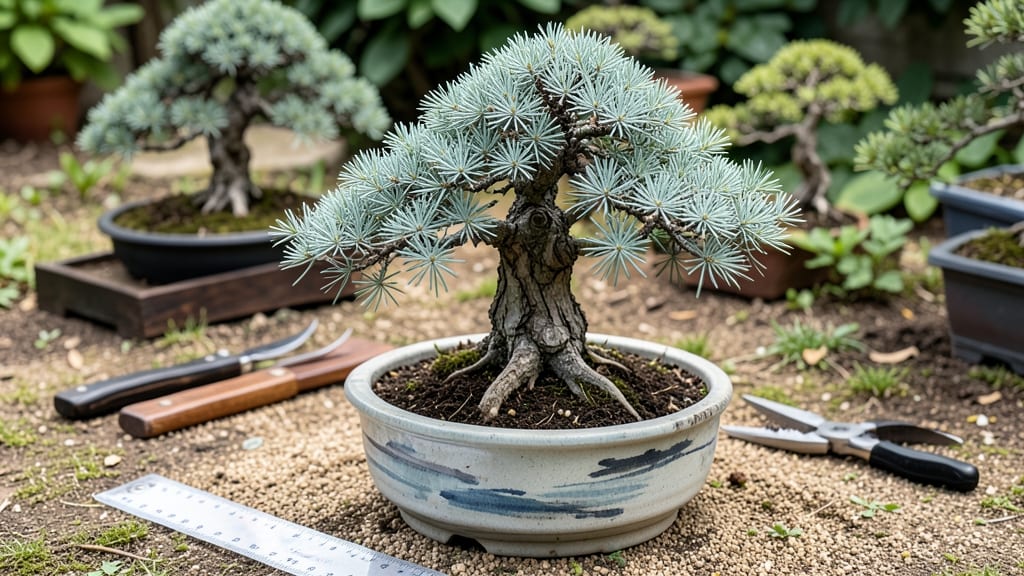
The bonsai tree how tall do they grow—typically between 1 and 3 feet when properly cultivated—makes them the perfect miniature masterpieces for any space.
Ever wondered why bonsai trees stay so small while their wild relatives tower over forests? The answer lies in centuries-old techniques—and the right species choice.
Some varieties, like the dwarf junipers, stay under 12 inches, while others, such as ficus or maples, can reach 2 to 3 feet with careful training. The key is understanding how pruning, wiring, and root restriction shape their growth over time.
In this guide, you’ll discover how to maintain your bonsai’s ideal height, avoid common mistakes that cause them to grow too tall, and choose the perfect species for your vision—whether you dream of a pocket-sized tree or a striking tabletop centerpiece.


Bonsai tree height ranges by species: from pocket-sized to tabletop giants
Choosing the right bonsai species is the first step to achieving your desired height. While most bonsai trees stay under 3 feet, some varieties naturally grow taller than others—even with meticulous care.
The key lies in understanding each species' growth habits and mature height ranges, which can vary dramatically from pocket-sized specimens to tabletop giants.
For example, a juniper bonsai might stay under 12 inches with proper pruning, while a black pine could reach 24 inches or more. Even within the same species, your bonsai's height depends on training techniques, pruning frequency, and root restriction.
Let’s explore the most popular bonsai species and their typical height ranges—measured against everyday objects for perspective.
Visual comparison tip: Use a standard soda can (12 oz) as a reference—most dwarf bonsai stay shorter than this, while semi-dwarf varieties often surpass it. Tabletop giants can rival the height of a smartphone (6-7 inches) or even a coffee mug (4-5 inches).