
Pruning
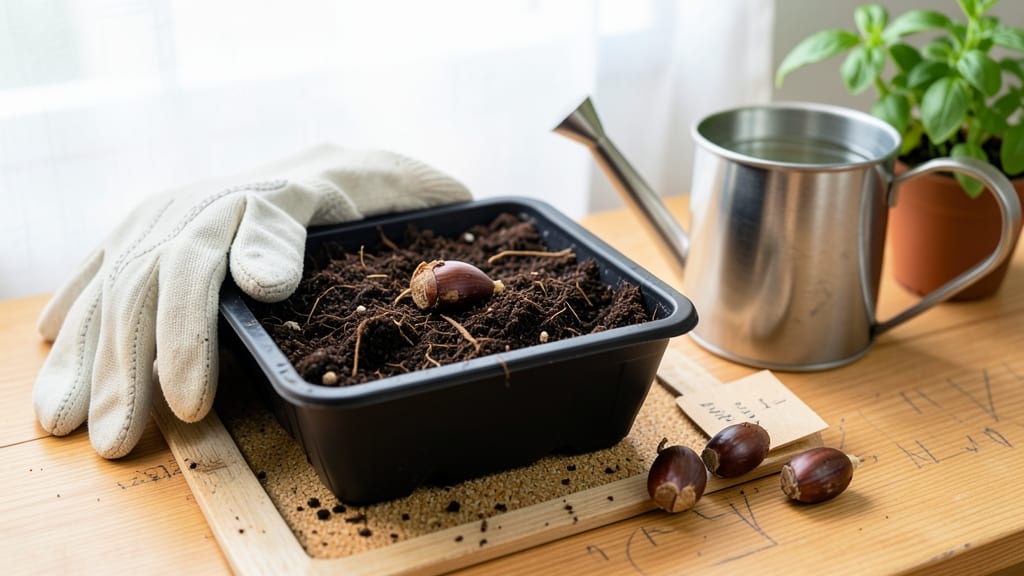
Growing a breadfruit tree from seeds means fast, reliable sprouts that could feed your family for years. 🌱 I've struggled with slow germination before—until I learned the exact conditions breadfruit seeds need to break dormancy within 10-14 days.
The secret isn't complicated, but it does require patience and the right setup.
You'll need a warm spot (75-85°F), moistened sphagnum moss or paper towels, and a plastic bag to create humidity. Breadfruit seeds are tropical—don't rush them with heat lamps or direct sun.
The key is consistency: keep them evenly moist but never soggy. Most people overwater, which drowns the delicate embryos before they even sprout.
Once you see those first tiny roots, transplant into a 3-5 gallon pot with well-draining soil. The seedlings grow fast—expect 6-12 inches in their first month—so be ready to upgrade containers as they outgrow their space.
The real payoff? A mature breadfruit tree produces hundreds of pounds of starchy fruit annually.
This method works in tropical climates but can also succeed in greenhouses or indoor grow tents with supplemental heat. The biggest challenge is seed viability—many store-bought seeds are dried out. If yours don't sprout in three weeks, try soaking them overnight first. Here's how to get those roots growing strong!
📚 In This Guide
- What you need
- Instructions
- Tips and common mistakes
- Wrapping up and next steps
What you need
- ● Breadfruit seeds – Fresh, firm seeds (10–20 per batch for best results). Pro tip: Store seeds in a cool, dry place if not using immediately!
- ● Germination medium – Choose one: Coconut coir (sterile, pre-moistened)
- ● Peat moss + perlite mix (1:1 ratio)
- ● Paper towels (for quick sprout testing)
- ○ Seed trays or small pots – 2–3 inch (5–7.5 cm) deep, with drainage holes. Optional: Use biodegradable peat pots for easy transplanting!
- ● Plastic wrap or humidity dome – To maintain moisture and warmth.
- ● Spray bottle – For gentle watering (avoid soaking!).
- ○ Heating mat (optional but helpful) – Set to 80–85°F (27–29°C) to speed up germination.
- ● Grow lights or sunny windowsill – Once sprouts emerge, provide 12+ hours of light daily.
- ● Patience! Breadfruit seeds can take 2–6 weeks to sprout.
- ● Access to a warm, humid environment (ideal temp: 75–90°F / 24–32°C).
- ● Basic knowledge of seedling care (or willingness to learn!).
Step-by-step instructions for germinating breadfruit tree seeds
Here's how I get breadfruit seeds sprouting reliably within 2-3 weeks—no guesswork involved.
🌱 Step 1: Prepare Seeds for Faster Germination
Breadfruit seeds have a tough outer shell that slows sprouting. First, soak the seeds in warm water for 24-48 hours, changing the water every 12 hours to prevent mold. You'll know they're ready when the seed coat softens slightly and you see small cracks forming. This pre-soaking mimics natural rainfall and speeds up germination significantly.
After soaking, gently rub the seeds between two layers of paper towel to remove any remaining slimy coating. This step is crucial—leaving the coating on can lead to rot or delayed sprouting. Place them on a clean, dry surface to air-dry for 30 minutes before planting. I like to work with them right after drying while they're still slightly damp.
💧 Step 2: Create the Ideal Germination Environment
Fill a small container with a mix of 50% coco coir and 50% perlite—this combination provides both moisture retention and aeration. Moisten the mix until it's damp but not soggy, then create shallow planting holes about ½ inch deep. Place 1-2 seeds per hole, spacing them 2 inches apart—this prevents overcrowding as they sprout.
Cover the seeds lightly with the mix and mist the surface with water until evenly damp. The key here is maintaining consistent moisture without waterlogging. I use a spray bottle to avoid disturbing the seeds. Place the container in a warm, shaded spot with temperatures between 75-85°F. A seedling heat mat can help maintain this warmth if your environment runs cooler.
☀️ Step 3: Monitor and Maintain Germination Conditions
Check the container daily for moisture—keep the mix damp but never saturated. Overwatering at this stage is the fastest way to invite mold or damping-off. You'll see the first signs of germination in 7-14 days, when small radicles (root tips) emerge first. Once you spot these, move the container to a slightly brighter location, but avoid direct sunlight, which can stress tender seedlings.
When the first true leaves appear—usually 2-3 weeks after planting—it's time to transition to individual pots. Watch for leggy growth as a sign the seedlings need more light. If you notice stems stretching excessively, raise the light source or move them to a brighter spot gradually. This ensures strong, sturdy growth from the start.
🌿 Step 4: Transplant Seedlings to Individual Pots
Once seedlings reach 3-4 inches tall and have developed 2-3 sets of true leaves, carefully transplant them into 4-inch pots filled with a well-draining potting mix. Handle the seedlings by their leaves, not the stems, to avoid damaging the delicate roots. Gently firm the soil around the base to eliminate air pockets, which can stunt growth.
Place the pots in a location with bright, indirect light for the first week to help them adjust. Water lightly but consistently, keeping the soil evenly moist. Avoid fertilizing at this stage—young seedlings are sensitive to nutrients and can burn if over-fertilized. Instead, focus on keeping them healthy and strong for their next growth phase.
Tips & tricks for fast breadfruit seed germination
Real talk: Those stubborn breadfruit seeds won't cooperate without the right approach. Here's what nobody tells you about speeding up germination without sacrificing quality.
Soaking Strategy: The 24-48 hour soaking window is your best shot at breaking dormancy, but timing matters. I've found that starting with warm water (not boiling) at the higher end of the range (closer to 48 hours) works best for thick-shelled seeds. Change the water every 12 hours as instructed—this prevents bacterial buildup that can actually delay germination. Pro tip: Add a drop of hydrogen peroxide to the soaking water to naturally inhibit mold growth while keeping conditions sterile.
Seed Coating Removal: That slimy coating isn't just annoying—it's a germination inhibitor. When you rub the seeds between paper towels, focus on the seam lines where the seed halves meet. I use a second towel underneath to catch debris and prevent cross-contamination between seeds. The 30-minute drying period is non-negotiable—rushing this step leads to moldy seeds that won't sprout. Think of it as the seed's first chance to breathe after its water treatment.
Temperature Management: While the instructions specify 75-85°F, I've discovered that maintaining the upper end (80-85°F) during the critical first 7-14 days significantly speeds up radicle emergence. Use a seedling heat mat if your environment runs cooler—just be careful not to exceed 85°F, as breadfruit seeds are sensitive to heat stress. The key is creating that tropical microclimate they'd experience in their native habitat.
Light Transition: When you notice those first radicles (usually within 7-14 days), resist the urge to move them into direct sunlight immediately. Instead, gradually increase light exposure over 3-5 days
Pro Tips for Breadfruit Tree Seeds
- Real talk: Those stubborn breadfruit seeds won't cooperate without the right approach.
- Soaking Strategy: The 24-48 hour soaking window is your best shot at breaking dormancy, but timing matters.
- Seed Coating Removal: That slimy coating isn't just annoying—it's a germination inhibitor.
Frequently asked questions
Got questions about growing breadfruit from seeds?
You’re not alone! Here are answers to the most common queries to help you get those sprouts off to a flying start.
How long does it take for breadfruit seeds to germinate?
Germination usually takes 14–45 days, depending on temperature and moisture. Warmth (75–85°F) speeds it up—keep seeds in a humid, shaded spot. Patience is key! If nothing sprouts after 60 days, try soaking seeds overnight in warm water to break dormancy.
Can I plant breadfruit seeds directly in the ground?
Yes, but only in warm climates (USDA Zones 10–11). Seeds need consistent warmth (above 60°F) to sprout. For cooler areas, start indoors in pots with a heat mat. Once sprouted, transplant seedlings outdoors after the last frost and when soil is warm.
What if my breadfruit seeds rot instead of sprouting?
Overwatering or poor drainage is the usual culprit. Use a well-draining mix (50% peat/50% perlite) and water only when the top inch is dry. If seeds smell sour or feel mushy, remove them and replant fresh ones. Pro tip: Sterilize your container with a 10% bleach solution to prevent mold.
Are there easier ways to grow breadfruit besides seeds?
Air-layering
(grafting a branch while still attached to the parent tree) is faster and more reliable. Alternatively, buy rooted cuttings from tropical nurseries. Both methods skip the germination wait—but seeds are the most rewarding (and free!) option if you have access to fresh fruit.
How do I know if my breadfruit seedling is healthy?
A healthy seedling has vibrant green leaves (no yellowing) and a sturdy stem. Monitor for aphids or fungal spots (like powdery mildew). Keep it in bright, indirect light and avoid cold drafts. Once it’s 6+ inches tall, it’s ready for transplanting!
Wrapping up and next steps
Growing breadfruit tree seeds into thriving plants is an exciting and rewarding journey! With the right tools—like quality seeds, proper soil, and patience—you’ll soon enjoy a bountiful harvest of nutritious, versatile fruit.
Whether you’re aiming for self-sufficiency or just love tropical flavors, your efforts will pay off in delicious, homegrown rewards.
Ready to take the next step? Start with just one seed—plant it today, and watch your garden transform! For extra success, share your progress with fellow gardeners or explore advanced pruning techniques once your tree matures. Happy growing! 🌱✨