
Blooming
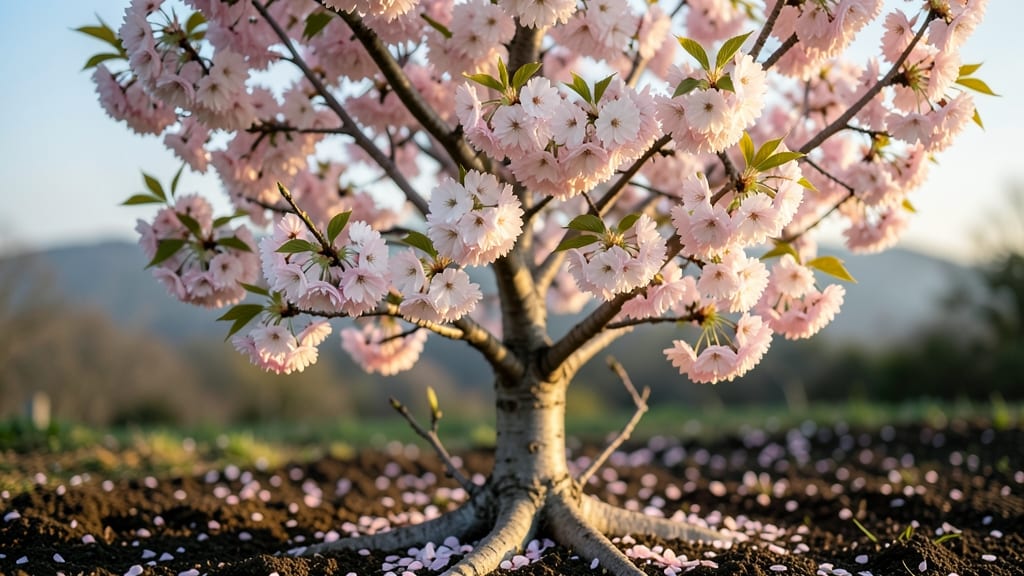
Spring's pink promise arrives when you plant a cherry blossom tree—those delicate blooms last for weeks, turning your yard into a fragrant dream. 🌸 I remember the first time I saw my tree's branches heavy with blossoms, the air thick with that unmistakable sweet scent that lasts long after the petals fall.
The key to making this happen? Timing everything right, from pruning to pest prevention, so your tree doesn't waste energy on leaves when it should be flowering.
Here's the thing—cherry blossoms need a clean slate to perform their best. Prune right after blooming (around late May or early June), removing any dead wood and thinning crowded branches to improve airflow.
This isn't just about looks; it's about setting your tree up for next year's even better show. And while you're at it, give the soil a quick check—spring is the perfect time to add compost to feed those hungry roots before summer heat sets in.
You'll know you're doing it right when your tree bursts into bloom the following spring, covering branches in pink clouds that attract bees and fill your yard with that signature fragrance. The first flush of blossoms arrives in early spring, with some varieties reblooming later in the season.
Just watch for pests like aphids—they love new growth, so keep an eye out and hose them off if you spot them.
This works for any USDA zone where cherry trees thrive (zones 5-8), but cooler climates get the most reliable blooms.
Whether you're in the Pacific Northwest or the Midwest, the secret is matching care to your local spring timing—just don't let those blossoms fool you into thinking summer's here yet. The real work begins after the petals fall.
📚 In This Guide
- What you need
- Instructions
- Tips and common mistakes
- Wrapping up and next steps
What you need
- ● Cherry Blossom Tree: 1–3 Prunus serrulata (or hybrid) saplings (choose based on mature size: dwarf for small yards, standard for larger spaces).
- ● Specs: Healthy roots, vibrant buds, and disease-resistant varieties (e.g., ‘Kanzan’ or ‘Somei-Yoshino’).
- ● Planting Site: Full sun exposure (6+ hours/day).
- ● Well-draining soil (amend with compost if needed).
- ● Space: 15–30 feet between trees (or per manufacturer guidelines for dwarf varieties).
- ● Soil Prep: 2–3 cubic yards of topsoil or garden soil.
- ● 1–2 bags of organic compost (e.g., coconut coir or aged manure).
- ○ Optional: 1 lb of slow-release fertilizer (10-10-10 NPK ratio).
- ● Planting Tools: 1 shovel (for digging).
- ● 1 garden trowel (for root adjustment).
- ● 1 wheelbarrow (for soil/compost transport).
- ● 1 watering can or hose (with gentle spray nozzle).
- ● 1 mulch (2–3 inches of wood chips or straw).
- ● Support Stake: 1 bamboo or metal stake (6+ feet tall) for young trees.
- ● Tree Guards: 1–2 plastic tree collars to protect trunks from pests.
- ● Pruning Tools: 1 pair of bypass pruners (for shaping).
- ● 1 pruning saw (for thicker branches).
- ● Seasonal Care: 1–2 bags of bloom fertilizer (for spring/summer).
- ● 1 pH testing kit (to monitor soil acidity, ideal: 6.0–7.0).
Step-by-Step guide to pruning and caring for cherry blossom trees in spring
Spring is the perfect time to shape your cherry blossom tree for stunning blooms. Here's how to nurture it through the season.
✂️ Step 1: Prune for Shape and Health
Start pruning in late winter or early spring, just as buds begin to swell but before they burst open. Use clean, sharp pruning shears to make cuts at a 45-degree angle about ¼ inch above a bud or branch collar. This prevents water from pooling and causing rot. Remove any dead, diseased, or crossing branches first—they'll compete with your blossoms for energy.
Focus on thinning the canopy to allow light and air to reach the center. Aim to remove no more than 25% of the tree's total growth in one season. You'll see new shoots emerge from the pruned areas, signaling the tree is putting energy into blooming rather than just leafing out. If you spot any suckers growing from the base, trim them immediately—they sap strength from the main trunk.
☀️ Step 2: Provide Ideal Light and Air Circulation
Cherry blossom trees thrive in full sun, so position your tree where it gets at least 6 hours of direct sunlight daily. If your tree is in a partially shaded spot, you'll notice fewer blooms and leggy growth. Watch for branches that grow toward the light—this is a sign the tree is stretching for more sun. Gently guide them into a more balanced shape with pruning.
Good air circulation is just as important as sunlight. Prune to create an open, airy structure rather than a dense, tangled mess. You'll know you've achieved the right balance when you can walk under the tree and see light filtering through the branches. This also reduces the risk of fungal diseases, which love damp, crowded conditions.
💧 Step 3: Water Deeply and Mulch Properly
Water your cherry blossom tree deeply once a week during spring, ensuring the soil is moist 12 inches down. Young trees need more frequent watering—every 3-4 days—until their roots establish. You'll know the soil is properly hydrated when it feels damp but not soggy. Overwatering can lead to root rot, which is especially dangerous in spring when the ground is still cool and slow to dry.
Apply a 2-3 inch layer of mulch around the base of the tree, keeping it 6 inches away from the trunk. Use organic mulch like wood chips or shredded bark to retain moisture and regulate soil temperature. Replenish the mulch as it breaks down, but never let it pile up against the trunk—this can trap moisture and invite pests. A well-mulched tree will have fewer weeds and more energy for blooming.
🌿 Step 4: Fertilize for Vibrant Blooms
Feed your cherry blossom tree with a balanced, slow-release fertilizer in early spring, just as new growth begins. Look for a formula with equal parts nitrogen, phosphorus, and potassium (like a 10-10-10). Spread the fertilizer evenly over the root zone, then water it in thoroughly. This gives the tree the nutrients it needs to produce abundant blossoms without encouraging too much leafy growth at the expense of flowers.
Avoid over-fertilizing, especially with nitrogen-heavy products. Too much nitrogen will result in lush foliage but fewer blossoms. You'll know your tree is getting the right balance when it produces a healthy mix of strong branches and clusters of buds. If you notice yellowing leaves, it could be a sign of over-fertilization or nutrient imbalance—adjust your approach accordingly.
⏰ Step 5: Monitor for Pests and Diseases
Inspect your cherry blossom tree regularly for signs of pests like aphids, scale insects, or Japanese beetles. These pests love new spring growth and can quickly weaken a tree. If you spot them, blast them off with a strong stream of water or treat with an organic insecticidal soap. Early intervention is key—once pests establish, they're harder to control.
Keep an eye out for fungal diseases like powdery mildew or black knot, which appear as white powdery spots or dark, swollen growths on branches. Prune affected areas immediately and dispose of them in the trash—not the compost. Proper pruning and good air circulation will reduce the risk of these issues, but spring's damp conditions can still create problems. Act fast if you see anything unusual, and your tree will thank you with a spectacular bloom season.
Tips & tricks for perfect cherry blossom tree care in spring
Nurturing a cherry blossom tree to its full springtime glory takes thoughtful attention—here's how to avoid common pitfalls and maximize those breathtaking blooms.
The Pruning Angle Matters: When making those 45-degree cuts in Step 1, visualize a smiley face on the branch—cut just above the bud where the smile would begin. This ensures clean healing and prevents water from pooling at the cut site. I've seen many gardeners accidentally cut too close to the trunk, which weakens the branch. Use a sharp pair of pruners and make one smooth cut rather than multiple nicks.
Sunlight Secret for Maximum Blooms: The 6 hours of direct sunlight mentioned in Step 2 is non-negotiable for cherry blossoms. If your tree isn't getting enough light, try moving it to a sunnier spot or consider pruning nearby trees/shade structures. You'll notice the difference immediately—trees in partial shade often produce fewer blooms and more leggy growth. For container-grown trees, rotate the pot every few weeks to ensure even sun exposure all around.
Watering Wisdom: That 12-inch deep watering in Step 3 requires patience. Use a soil probe or long screwdriver to check moisture levels—if it comes out dry, water again. I've seen many gardeners overwater by checking just the surface soil. Remember, cherry blossom roots need to reach deep for stability, and consistent moisture at that depth encourages stronger root growth. Water in the morning so the foliage has time to dry before evening, reducing disease risk.
Fertilizer Timing is Everything: When applying that 10-10-10 fertilizer in Step 4, think of it as a spring wake-up call. The key is to apply it just as you see the first signs of new growth—not before, when the tree is still dormant. Too early, and the nutrients won't be used efficiently. Too late, and you might miss the bloom-boosting window. Spread it evenly over the root zone (about 6 inches beyond the drip line) and water it in thoroughly to help it reach the roots.
Pro Tips for Cherry Blossom Tree In Spring
- Nurturing a cherry blossom tree to its full springtime glory takes thoughtful attention—here's how to avoid common pitfalls and maximize those breathtaking blooms.
- The Pruning Angle Matters: When making those 45-degree cuts in Step 1, visualize a smiley face on the branch—cut just above the bud where the smile would begin.
- Sunlight Secret for Maximum Blooms: The 6 hours of direct sunlight mentioned in Step 2 is non-negotiable for cherry blossoms.
Frequently asked questions
Got questions about your cherry blossom tree? You’re not alone!
Here are answers to the most common queries—from timing to care tips—so you can enjoy that dreamy spring canopy with confidence.
When do cherry blossom trees bloom in spring?
Blooming time varies by species, but most Prunus serrulata (Japanese cherry blossoms) peak in late March to mid-April in the U.S. (Zone 6-9). Early varieties like ‘Kanzan’ bloom first, while late bloomers like ‘Shirotae’ follow 2-3 weeks later. Check your local hardiness zone for precise timing!
How long do cherry blossoms stay in bloom?
Cherry blossoms are famously short-lived—typically 7 to 14 days of peak beauty, though some varieties (like ‘Autumnalis’) may rebloom sporadically. Cool nights and warm days extend their lifespan. Pro tip: Plant near a window or patio to maximize your viewing time!
Can I plant a cherry blossom tree in spring?
Yes! Spring (after the last frost, around March–May) is ideal for planting bare-root trees. Avoid extreme heat or drought stress. Water deeply 2–3 times per week for the first month, and mulch to retain moisture. Warning: Avoid planting near sidewalks—roots can crack pavement over time!
Why aren’t my cherry blossoms blooming?
Common culprits include:
- Age: Young trees (under 3–5 years) may not bloom yet.
- Pruning mistakes: Cutting back in late winter/early spring removes flower buds.
- Environmental stress: Drought, poor soil, or extreme temps can delay blooms.
- Variety: Some trees (like ‘Hokusai’) are sterile and won’t produce flowers.
Try fertilizing with low-nitrogen, high-phosphorus (e.g., 5-10-10) in early spring to encourage blooms next year.
What’s a good alternative if I can’t grow cherry blossoms?
If your climate is too harsh or space is limited, try these low-maintenance bloomers:
- Magnolia (fragrant, early spring blooms)
- Crabapple (compact, disease-resistant)
- Dogwood (showy bracts, shade-tolerant)
- Bradford Pear (fast-growing, pink blooms)
For containers, Japanese maples or ornamental cherries (like ‘Snow Fountain’) are great picks!
Wrapping up and next steps
Witnessing a cherry blossom tree in spring is like stepping into a dream—where delicate pink petals dance in the breeze, filling the air with a sweet, fleeting fragrance. These trees aren’t just stunning; they’re a symbol of renewal, resilience, and the beauty of nature’s temporary masterpieces.
Whether you’re planting one in your yard or simply admiring them in parks, their magic reminds us to embrace the present moment.
Ready to bring this springtime wonder into your life? Start small: research the best variety for your climate, reach out to local nurseries, or even volunteer to help plant community trees. Every blossom you nurture—or simply enjoy—is a step toward brighter, more vibrant surroundings. 🌸