
Trees
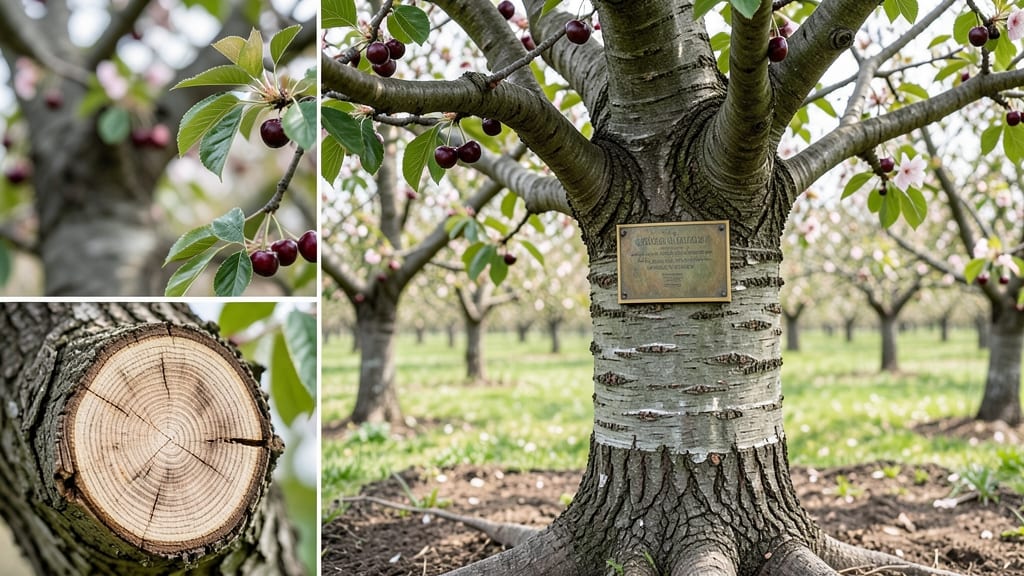
The lifespan of a cherry tree typically ranges from 25 to 50 years, with some varieties like sour cherries living up to 75+ years when given proper care. Dwarf types usually last 15-25 years, while environmental conditions, pruning practices, and disease resistance all play major roles in determining how long your tree thrives.
The average cherry tree's longevity varies dramatically between species and growing conditions.
Sweet cherries often max out around 40 years unless they're grafted onto especially hardy rootstock, while sour cherries can outlive them by decades due to stronger natural defenses. 🌳 What's fascinating is how location matters—trees in cooler climates with well-drained soil tend to age more gracefully than those struggling in heat or waterlogged ground.
Even within the same variety, a tree receiving regular pruning and pest control can easily outlive its neglected neighbor by 10-15 years.
For homeowners, understanding these factors means you can extend your tree's productive life by years through simple practices like proper winter mulching and annual soil testing.
The right care doesn't just add years—it transforms a 30-year tree into a potential 50-year fruit producer, making the extra effort worthwhile for both the harvest and the landscape value.
💡 In This Article
- Factors Influencing Cherry Tree Longevity
- Extending Your Cherry Tree’s Life with Proper Care
Factors influencing cherry tree longevity
Cherry trees' lifespan begins with genetics—sweet cherries like Bing or Rainier typically reach 30-40 years, while sour cherries such as Montmorency can live 75+ years due to their hardier root systems and disease resistance. 🌱 The difference lies in their natural defenses: sour cherries produce more tannins, which act like a built-in pesticide against fungal infections and insect pests.
This chemical advantage means sour cherries often survive longer even in less-than-ideal conditions, while sweet cherries require more careful cultivation to maximize their potential.
Soil composition plays a critical role in determining how long your tree thrives. Cherry trees prefer well-drained, slightly acidic soil (pH 6.0-6.5) with good organic matter content—think of it as the difference between planting in sandy loam versus heavy clay.
In ideal conditions, a tree's root system can expand up to 3-5 feet deeper than its canopy by maturity, giving it access to moisture and nutrients that extend its productive years.
Poor drainage or compacted soil, however, can reduce a tree's lifespan by 15-20 years as roots suffocate and become vulnerable to rot.
Climate suitability creates another major divide in cherry tree longevity. These trees thrive in USDA zones 5-7, where winter chilling hours (300-1,000 hours below 45°F) properly reset their growth cycles.
In warmer climates, cherry trees often struggle with inconsistent flowering and fruit production, which accelerates their decline. 🌡️ The right climate isn't just about temperature—it's about the balance between winter dormancy and summer growing conditions.
Trees in marginal zones may live shorter lives because they expend energy trying to adapt rather than focusing on growth and fruit production.
Watering needs create another critical factor in determining lifespan. Young cherry trees require 1-1.5 inches of water weekly during their first two years, while mature trees need 2-3 inches during dry spells.
Underwatering causes stress that weakens the tree's immune system, making it more susceptible to diseases like silver leaf fungus, while overwatering leads to root rot. The key is consistent moisture—think of it like maintaining a steady rhythm rather than sporadic bursts.
Proper watering can extend a tree's life by 10-15 years by preventing stress-related decline.
Pests and diseases act like silent assassins, often cutting a cherry tree's lifespan by half if left unchecked. Common threats include black knot fungus, which creates dark, cancerous growths on branches, and borers that tunnel through the trunk.
What's fascinating is how these issues compound over time—what might seem like minor damage in year 5 can become catastrophic by year 20. Regular inspections (especially during spring and fall) and proactive treatments can transform a tree's trajectory from 30 years to 50+ years of productivity.
Even sunlight exposure matters more than many realize. Cherry trees need 6-8 hours of direct sunlight daily to photosynthesize efficiently. In shaded conditions, trees grow more slowly, produce fewer fruits, and become more susceptible to diseases.
The difference between full sun and partial shade can mean the difference between a 40-year tree and one that struggles to reach 25 years. Proper placement in your landscape isn't just about aesthetics—it's about giving your tree the energy it needs to live its full potential.