
Pruning
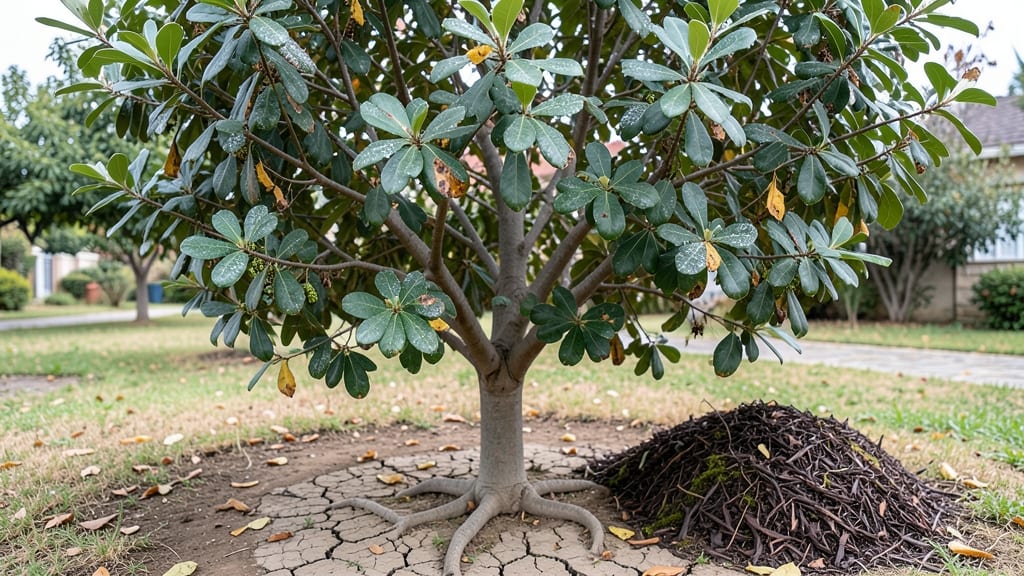
Chinese pistache tree problems can turn those golden leaves into sad, brown rags—fast. 🌿 I’ve seen this happen after just one wet summer, and the good news is you can stop it before it spreads.
The key is catching those dark spots on leaves early and acting within 24 hours of noticing them. Most fungal blights thrive when the tree’s leaves stay damp for too long. Overwatering, poor airflow from dense branches, or even rainwater pooling at the base all invite trouble.
Prune to improve airflow, and water only at the soil level—never overhead. I’ve saved trees by switching to deep, infrequent watering and adding mulch to keep roots dry. Once you spot the blight, act fast with a copper fungicide spray (organic option) or a neem oil mix (for mild cases).
Repeat every 7-10 days until new growth appears. The goal? Outpace the fungus before it moves to the branches. With this approach, your tree can bounce back in 4-6 weeks. Prevention is easier than cleanup.
Thin out crowded branches now, and keep an eye out for early signs next season. A healthy Chinese pistache can handle heat and drought—but not fungal neglect. Let’s get it fixed before the blight wins.
Root Causes Of Chinese Pistache Issues
Chinese pistache trees (Pistacia chinensis) are prized for their drought tolerance and vibrant fall foliage, but they’re not immune to stress or disease—especially fungal blight. Understanding why these problems arise helps you address them before they spread.
Below, we break down the key culprits behind common Chinese pistache woes, from environmental factors to cultural mistakes.
Chinese pistache trees thrive in well-draining soil, but when drainage fails, roots suffocate, creating the perfect breeding ground for Phytophthora (a soil-borne fungus) and root rot.
- Compacted or clay-heavy soil traps excess moisture, starving roots of oxygen. This weakens the tree’s defenses, making it vulnerable to fungal invasion.
- Overwatering—even in drought-resistant species—can drown roots. Chinese pistache trees prefer moderate moisture; soggy soil signals stress, triggering fungal outbreaks.
- Lack of organic matter reduces soil aeration. Amend with compost or sand to improve structure and microbial activity, which naturally suppresses pathogens.
💡 Pro Tip: Conduct a simple drainage test: Dig a 12-inch hole, fill it with water, and time how long it takes to drain. If it’s still wet after 6 hours, amend the soil immediately.
Fungal blight (often caused by Cercospora or Alternaria) loves humid, rainy conditions. Unlike some trees, Chinese pistache trees don’t have natural resistance to prolonged leaf wetness, which allows spores to germinate and infect foliage.
- Extended leaf wetness (e.g., morning dew + poor airflow) creates a film of moisture on leaves, ideal for spore germination.
- High humidity (above 75%) slows evaporation, keeping spores active longer. Fungal spores can survive on dead leaves or twigs, reinfecting the tree year after year.
- Monoculture plantings (growing only Chinese pistache trees) increase spore concentration, as there’s no biodiversity to disrupt the fungal life cycle.
✨ Key Insight: Fungal blight spreads fastest in late summer to early fall when temperatures hover between 70–85°F (21–29°C)—the sweet spot for spore production.
Chinese pistache trees are hardy (USDA Zones 6–9), but extreme heat, cold snaps, or rapid temperature changes weaken their immune response, making them susceptible to secondary infections.
- Heat stress (above 95°F/35°C) causes leaf scorch, creating entry points for fungi. Weakened leaves can’t photosynthesize efficiently, further stressing the tree.
- Late spring frosts damage new growth, leaving wounds that fungi exploit. Chinese pistache trees are semi-evergreen; if buds or leaves freeze, the tree diverts energy to recovery instead of defense.
- Urban heat islands (common in cities) raise soil and air temperatures, accelerating fungal growth. If your tree is near pavement or buildings, it’s 20–30°F hotter than rural areas.
🌡️ Actionable Fix: Mulch with 3–4 inches of wood chips to regulate soil temperature. Avoid black plastic mulch, which absorbs heat and worsens stress.
Chinese pistache trees need space to breathe. When planted too closely together or near dense shrubs, airflow is restricted, trapping moisture and spores against the foliage.
- Tight spacing (less than 15–20 feet apart) creates a microclimate where humidity lingers, ideal for fungal spores.
- Pruning mistakes (e.g., shearing instead of selective thinning) can lead to a dense canopy, blocking sunlight and airflow.
- Dead or diseased branches left unpruned harbor fungal spores. These act as infection reservoirs, reinfecting the tree during wet periods.
🔪 Pruning Protocol: Remove 30–50% of the lowest branches to open the canopy. Focus on crossing or rubbing branches first—these are prime spots for fungal entry.
By tackling these root causes—soil, moisture, stress, and airflow—you’ll disrupt the conditions that allow fungal blight to take hold. The next step? Learn how to prevent and treat outbreaks before they worsen.
Quick Fixes for Chinese Pistache Tree Woes
Fungal blight, pests, or environmental stress can turn your Chinese pistache tree from a vibrant shade provider into a struggling plant. But don’t worry—most issues have straightforward fixes!
Below, we’ve mapped out practical solutions for common problems, along with prevention tips to keep your tree thriving. Let’s get to work! 🌿🔧
If you’ve spotted dark spots, yellowing leaves, or powdery growth, fungal blight is likely the culprit. Act fast to save your tree!
🔥 Remove Infected Areas
- Prune affected branches at least 6 inches below the visible damage using sterilized pruners (wipe with rubbing alcohol between cuts).
- Bag and dispose of infected leaves/branches in the trash—do not compost them!
🍳 Apply Fungicide
- Copper-based fungicides (like Bordeaux mixture) or neem oil work well for fungal blight.
- Spray the upper and lower leaf surfaces thoroughly, especially in humid or rainy conditions.
- Reapply every 7–14 days until new growth appears.
🌡️ Improve Airflow & Drainage
- Thin out dense foliage to reduce humidity near the tree.
- Aerate the soil if it’s compacted (use a garden fork to loosen roots).
- Water at the base (avoid overhead sprinkling) and mulch to prevent soil splashing onto leaves.
💡 Pro Tip: Early morning is the best time to treat—fungicides work best when leaves are dry.
Aphids, spider mites, or scale insects can drain your tree’s energy. Here’s how to evict them for good:
👨🍳 Blast Off Pests with Water
- Spray leaves with a strong stream of water (aphids and mites hate this!).
- Repeat every 3–5 days until pests disappear.
🥘 Use Natural Insecticides
- Neem oil (mix 1 tbsp per quart of water + a drop of dish soap) smothers pests without harming the tree.
- Insecticidal soap (like Safer® Brand) works well for soft-bodied bugs.
- Apply in the evening to avoid burning leaves in sunlight.
🔪 Introduce Beneficial Predators
- Ladybugs, lacewings, or parasitic wasps eat pests naturally. Buy them online or from garden centers!
- Plant companion flowers (like marigolds or dill) to attract these helpers.
💡 Pro Tip: Check the undersides of leaves—that’s where pests love to hide!
If leaves are crispy, brown, or drooping, your Chinese pistache may be underwatered, overwatered, or stressed.
💧 Check the Soil Moisture
- Stick your finger 2 inches deep—if dry, water deeply (1–2 inches per week).
- If soggy, let the soil dry out before watering again (these trees hate wet feet).
⏰ Adjust Watering Habits
- Water slowly and deeply (avoid shallow, frequent watering).
- Use drip irrigation or soaker hoses to deliver moisture directly to roots.
🌡️ Shield from Stressors
- Move potted trees to a spot with morning sun + afternoon shade (if in a hot climate).
- Mulch around the base (2–3 inches of wood chips) to retain moisture and cool roots.
💡 Pro Tip: Yellow leaves? More likely overwatering. Brown, crispy leaves? Usually underwatering or heat stress.
Once your tree is healthy, lock in those gains with these long-term strategies:
| Problem | Prevention Tip |
|---|---|
| Fungal Blight | Space trees 10–15 ft apart for airflow; clean up fallen leaves regularly. |
| Pests | Inspect trees weekly; remove weeds (they harbor pests). |
| Root Rot | Plant in well-draining soil; avoid low spots where water pools. |
| Leaf Scorch | Water consistently; use mulch to protect roots from temperature swings. |
🎯 Bonus: Fertilize in early spring with a balanced, slow-release fertilizer (10-10-10) to boost resilience.
Your Chinese pistache tree can bounce back—just act fast and stay consistent! With these fixes, you’ll be back to enjoying its glossy leaves and drought-resistant charm in no time. 🌳✨
Frequently asked questions about Chinese pistache tree issues
Why are my Chinese pistache leaves turning brown and crispy?
This is usually a sign of underwatering or heat stress. Chinese pistache trees prefer moderate moisture—check soil 2 inches deep. If dry, water deeply (1–2 inches per week). For potted trees, move to morning sun + afternoon shade in hot climates. Mulch with 2–3 inches of wood chips to retain moisture and protect roots.
How do I tell if my tree has fungal blight vs. pest damage?
Fungal blight shows as dark spots or powdery growth on leaves, often with yellow halos. Pest damage (like aphids or mites) causes sticky residue, curled leaves, or tiny webs. Check leaf undersides—pests hide there! If you see spores or mold, it’s fungal; if you spot bugs or webbing, it’s pests.
Can I prune my Chinese pistache tree in winter?
Yes, but avoid heavy pruning in late winter (January–February) when the tree is dormant. Focus on removing dead or crossing branches to improve airflow. Sterilize pruners with rubbing alcohol to prevent spreading disease. Never prune in fall—this invites fungal infections before winter.
What’s the fastest way to treat aphids on my Chinese pistache?
Blast them off with a strong stream of water (aphids hate this!). For stubborn infestations, mix 1 tablespoon neem oil + 1 drop dish soap per quart of water and spray in the evening. Repeat every 3–5 days. Introduce ladybugs or lacewings for natural pest control—plant marigolds nearby to attract them!
How often should I fertilize a Chinese pistache tree?
Apply a balanced, slow-release fertilizer (10-10-10) once in early spring (March–April). Avoid fertilizing in summer—it stresses the tree. For established trees, top-dress with compost annually in fall to boost soil health. Over-fertilizing causes leaf burn or excessive growth, making the tree more vulnerable to pests.