
Leaf Blower
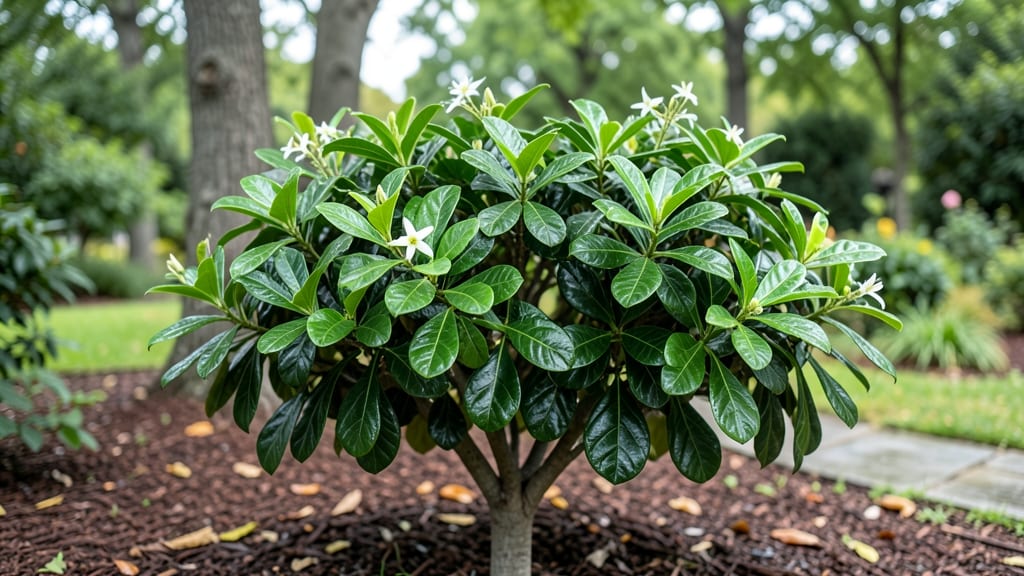
The curry leaf tree height you end up with depends entirely on how you shape it—whether you let it stretch toward the sky or keep it neatly contained.
If you’ve ever wondered why your curry leaf tree 🌿 is either sprawling uncontrollably or struggling to reach its full potential, understanding its natural growth patterns—and how to guide them—is the key to a thriving plant.
Native to tropical regions, this fast-growing tree can soar to 15 feet or more if left unchecked, but with the right pruning techniques, you can easily manage its size—whether you want a compact bush or a towering centerpiece.
Below, I’ll walk you through the science behind its growth, pruning tricks to control height, and common mistakes that might be stunting (or overpowering) your tree.

Natural curry leaf tree height: how tall does it grow without pruning?
If you’ve planted a curry leaf tree (Murraya koenigii), you’re likely curious about its natural growth habits. Without pruning, this tropical beauty typically reaches 6 to 15 feet tall, though it can occasionally exceed 15 feet in ideal conditions.
Understanding these growth patterns helps you plan for its long-term care and space requirements in your garden.
The curry leaf tree’s height depends heavily on its genetic potential and environmental factors like sunlight exposure, climate, and soil quality. In tropical climates with warm temperatures year-round, these trees grow faster and taller, while cooler regions may stunt their growth unless protected.
Let’s explore the key factors influencing its height and how to optimize its growth naturally.
🌱 Summary Table: Curry Leaf Tree Height Guide
In its first year, a curry leaf tree grows 3 to 5 feet tall, establishing a strong root system and trunk. By year two, it can double in height, reaching 6 to 10 feet, especially if planted in full sun with rich, well-draining soil.
Without pruning, mature trees often hit 10 to 15 feet within 3–5 years, though some may grow taller if given ample space and ideal conditions.
One of the biggest factors influencing height is sunlight exposure. Curry leaf trees thrive in full sun (6+ hours daily), which encourages rapid vertical growth. In shadier conditions, growth slows, and the tree may become leggy or sparse.
If you notice your tree stretching toward light, it’s a clear sign it needs more sun to reach its full potential height.
Climate plays a crucial role too. In tropical or subtropical zones (USDA 10–12), these trees grow aggressively, often exceeding 15 feet without intervention. However, in cooler climates (USDA 9–11), growth may be slower unless you provide protection from frost and ensure consistent warmth.
Even in cooler areas, a well-cared-for tree can still reach 10 to 12 feet over time.
Soil quality directly impacts height as well. Well-draining, fertile soil with a slightly acidic to neutral pH (6.0–7.0) promotes healthy root development, which in turn supports taller growth. If your soil is clay-heavy or waterlogged, the tree’s roots may struggle, leading to stunted height.
Amending the soil with compost or organic matter can make a noticeable difference in its growth rate.
Watering habits also affect how tall your curry leaf tree becomes. While it’s drought-tolerant once established, consistent moisture—especially during the first two years—helps it grow taller and stronger.
Deep watering 1–2 times per week encourages root expansion, which supports vertical growth. Overwatering, however, can lead to root rot and hinder height progression, so balance is key.
If you’re growing a curry leaf tree in a container, expect its height to be slightly limited compared to in-ground plants. Containers restrict root growth, often capping the tree at 6 to 10 feet unless you repot it regularly.
To maximize height in pots, choose a large container (at least 24 inches deep) and use a well-draining potting mix enriched with organic matter.
For those in small gardens or urban spaces, understanding these natural growth patterns helps you decide whether to embrace the tree’s full height or plan for pruning to keep it manageable.
Even without pruning, you can guide its growth by optimizing its environment—sunlight, soil, and water are your best tools for encouraging the height you desire.
🌿
Pruning techniques to control curry leaf tree height: compact vs. tall growth
Your curry leaf tree (Murraya koenigii) has the potential to grow between 10-20 feet tall, but with strategic pruning techniques, you can shape it into a compact bush or encourage it to reach its full height.
The key lies in understanding when and how to trim to guide its growth pattern. Whether you're working with a young sapling or a mature tree, these methods will help you achieve your desired height.
Pruning isn’t just about cutting branches—it’s about hormonal signals that direct the tree’s energy. For example, cutting back the top growth encourages lateral branches to fill out, while selective trimming of lower branches promotes vertical growth.
The timing of your cuts also matters, as pruning at the wrong time can stress the tree or even stunt its growth. Let’s explore how to control your curry leaf tree’s height with precision.
Pruning for Compact Growth vs. Tall Growth
Compact Growth
- Crown Reduction: Cut back 1/3 of top growth to encourage bushier shape.
- Selective Trimming: Remove longest branches to balance height.
- Best Time: Late winter/early spring before new growth.
✅ Ideal for containers or small gardens.
Tall Growth
- Selective Trimming: Remove lower branches to promote vertical growth.
- Avoid Crown Reduction: Preserve top branches for height.
- Best Time: Late spring/summer after active growth.
✅ Best for tall hedges or backyard privacy.
For compact growth, focus on crown reduction in late winter or early spring. This involves cutting back the topmost branches by about one-third to stimulate lateral shoots. Use clean, sharp pruners to make cuts just above a leaf node, which encourages new growth.
Avoid cutting into old wood, as it may not regenerate. This method works best for container-grown trees or when you want a bushy, low-profile look.
If you’re aiming for a taller tree, prioritize selective trimming of lower branches during late spring or summer. Remove branches that are growing horizontally or downward, as these compete with vertical growth.
Focus on thinning out rather than shearing, which can create dense, weak growth. This approach is ideal if you’re using the tree for privacy screens or as a focal point in your garden.
Timing is everything when pruning your curry leaf tree. For compact growth, prune in late winter or early spring before new growth begins. This gives the tree time to recover and encourages robust lateral branching.
For tall growth, wait until late spring or summer after the tree has established its vertical structure. Avoid heavy pruning in fall or winter, as this can stress the tree and limit its ability to harden off for the season.
Always use sterilized tools to prevent the spread of bacterial or fungal diseases. After each cut, wipe your pruners with rubbing alcohol or a 10% bleach solution.
This is especially important if your tree shows signs of leaf spot or powdery mildew, which can be exacerbated by open wounds. Proper tool maintenance ensures your pruning efforts contribute to the tree’s health, not its decline.
Finally, remember that pruning is an ongoing process. Even after achieving your desired height, regular maintenance trims will keep your curry leaf tree looking its best. For compact trees, a light trim every 6-8 weeks during the growing season will maintain shape.
For tall trees, focus on structural pruning once or twice a year to remove dead or crossing branches. With patience and precision, you’ll have a curry leaf tree that perfectly fits your space and aesthetic.