
Pruning
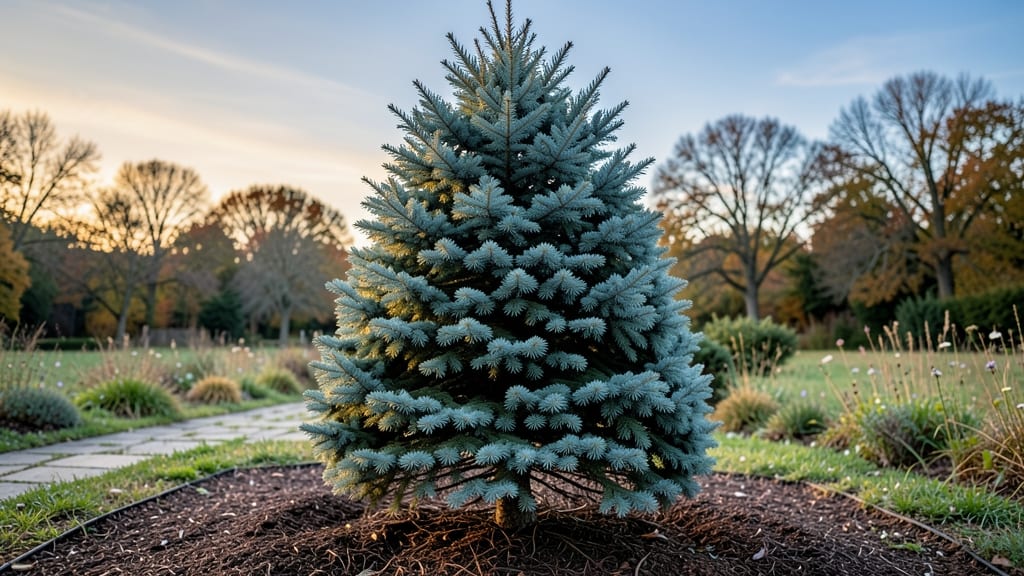
Your cypress tree's health starts with the right trimming—done wrong, you'll end up with brown patches and weak growth. ✂️ I've spent years perfecting my approach, and the key is understanding when and how to cut, especially for Monterey vs. Leyland varieties.
The difference between a thriving tree and one struggling with disease often comes down to these simple but critical techniques.
Most problems—like bagworms, fungal infections, or needle blight—show up as browning tips or sparse foliage. The good news? Year-round trimming keeps your tree resilient. Start with late winter for shape, then do light maintenance every 3-4 months to remove dead branches before pests or disease take hold.
Leylands need more frequent trimming than Monterey cypress, but both benefit from air circulation.
By summer, you'll notice new growth filling in where you pruned, and the tree will look fuller and healthier. The secret is cutting just outside the branch collar—never flush—and using sharp tools to avoid tearing bark.
This method keeps your cypress looking lush and vibrant while preventing common issues before they start.
Whether you're dealing with a mature tree or a young sapling, these techniques work for all cypress types. The goal is consistent care, not drastic changes. With the right approach, your tree will stay strong, disease-resistant, and beautiful for decades.
Root Causes Of Cypress Decline
Cypress trees may seem resilient, but their health can take a hit from a mix of environmental stressors, poor maintenance, and underlying biological issues. Understanding the why behind common problems is the first step to restoring their luster.
Let’s break down the key culprits causing cypress trees to struggle—so you can address them before they spiral out of control.
---
Cypress trees thrive in specific conditions, and when those needs aren’t met, stress sets in—often silently. Here’s what’s likely pushing your tree over the edge:
- 💧 Water Woes (Too Much or Too Little) - Overwatering: Cypress trees hate soggy roots. Poor drainage or excessive watering leads to root rot (a fungal infection that chokes oxygen from roots).
Look for yellowing needles, wilting, or a foul smell near the base—classic red flags. - Underwatering: While drought-tolerant, cypress trees still need consistent moisture, especially in sandy or well-drained soils.
Brown, crispy needles or a dry, brittle trunk signal dehydration. Pro tip: 💡 Mulch 2–3 inches deep to retain moisture and regulate soil temperature.
- ☀️ Sunburn & Heat Stress - Sudden exposure to intense sunlight (like after pruning thick branches) can scorch needles, leaving them bleached or brown. Young cypress trees are especially vulnerable. - Heatwaves + dry winds = desiccation.
Needles may turn brown at the tips while staying attached—a sign of moisture loss through transpiration. Solution: Provide afternoon shade during extreme heat or install a drip irrigation system for deep hydration.
- 🌬️ Wind & Salt Damage - Coastal cypress trees often battle salt spray, which accumulates on needles and disrupts nutrient uptake. Symptoms include stunted growth or needle drop. - Strong winds can physically tear branches or dry out foliage faster.
If your tree is in an exposed area, staking young trees or planting windbreaks (like shrubs) can help.
---
Cypress trees aren’t pest-proof, and certain invaders target their weak spots. Here’s what’s likely gnawing away at your tree’s health:
- 🐜 Bagworms & Spider Mites - Bagworms weave protective silk bags on branches, stripping needles for food. Look for pouch-like structures (1–2 inches long) or defoliation in patches. - Spider mites thrive in dry conditions, sucking sap and causing yellow stippling on needles.
Heavy infestations lead to premature needle drop. Action step: 🔥 Spray with neem oil or insecticidal soap in early summer before eggs hatch.
- 🍄 Fungal Infections (Root Rot & Canker) - Phytophthora root rot (from overwatering) causes blackened, mushy roots and oozing cankers on the trunk. The tree may lean or show sudden needle loss. - Cytospora canker (a fungal disease) creates sunken, resinous cracks on branches.
Prune infected limbs 6 inches below the canker and sterilize tools to prevent spread.
- 🐜 Bark Beetles & Borers - These wood-boring pests tunnel under the bark, disrupting nutrient flow. Signs include sawdust-like frass at the base, exit holes, or unusual sap oozing. Prevention: 🌡️ Keep trees healthy with proper watering and avoid wounding bark during pruning.
---
Cypress trees are not one-size-fits-all when it comes to trimming. Mistakes here can trigger long-term damage:
- 🔪 Over-Pruning or Wrong Timing - Removing >25% of foliage at once stresses the tree, leaving it vulnerable to sunburn or pest attacks. Rule of thumb: Never trim more than 10–15% per year. - Pruning in late summer/fall encourages new growth that won’t harden before winter, leading to freeze damage. Best time: Late winter/early spring (just before new growth starts).
- 🪒 Improper Cuts (Stubs & Torn Bark) - Leaving stubs or making tear-out cuts (where bark is stripped) creates entry points for disease.
Always use clean, sharp tools and make cuts just outside the branch collar. - Topping a cypress tree (cutting the top flat) is a major no-no—it invites decay and weakens the tree’s structure.
- 🌿 Ignoring Thinning vs. Shaping - Thinning (removing selective branches) improves airflow and light penetration, reducing disease risk. - Shearing (even cuts) is for hedges, not natural cypress shapes—it encourages dense, weak growth prone to pests.
--- Cypress trees are adaptable, but they still need the right soil conditions and nutrients to thrive. Common deficiencies include:
- 🔄 Poor Drainage (Compacted or Clay Soil) - Cypress roots rot in waterlogged conditions. If your soil feels heavy or puddles after rain, amend with compost or sand to improve drainage. Test tip: 📊 Use a soil test kit to check pH (ideal: 5.5–7.0).
- 💀 Nutrient Imbalances (Nitrogen, Iron, or Zinc) - Yellowing needles (especially older ones) = nitrogen deficiency. Apply a slow-release fertilizer in early spring. - Yellowing between veins = iron or zinc deficiency, common in alkaline soils. Use chelated iron supplements or sulfur to lower pH.
- 🧴 Herbicide or Chemical Damage - Glyphosate drift (from nearby weed killer) or over-salting (in winter de-icing) can cause needle burn or dieback. If you suspect chemical exposure, flush the soil with water and monitor for recovery.
--- Even the hardiest cypress trees have a lifespan (often 30–50+ years), and older trees may show signs of senescence (natural aging):
- 🍂 Gradual Needle Drop - Older cypress trees naturally shed needles, especially in hot, dry spells.
If the rest of the tree looks healthy, this may just be normal aging. - 🪵 Weakened Structure - Over time, branches may become brittle or hollow, increasing the risk of storm damage. Preventative step: 🎯 Schedule structural pruning every 2–3 years to remove deadwood.
--- Key Takeaway: Most cypress health issues stem from preventable mistakes—whether it’s watering habits, pest control, or pruning blunders.
By identifying the root cause (literally and figuratively), you can revive your tree’s vigor and keep it thriving for decades. Next up: [How to Diagnose Symptoms](link-to-next-section) to pinpoint exactly what’s ailing your cypress.
Fixing Common Cypress Tree Problems
When your cypress tree starts showing signs of distress—whether it’s browning needles, sparse foliage, or odd growth patterns—acting quickly can make all the difference. Below are practical, step-by-step solutions tailored to the most common issues, along with prevention tips to keep your tree thriving year-round.
---
Cypress trees hate soggy roots but also wilt when thirsty. Browning needles are often a cry for balance.
#### 🔥 Fix It: Adjust Watering Habits - For Overwatering (Mushy Soil, Root Rot Risk): - 👨🍳 Stop watering immediately—let the top 2–3 inches of soil dry out before watering again. - 🔪 Improve drainage: Amend clay-heavy soil with compost or sand (50/50 mix) to prevent compaction. - ⏰ Water deeply but less often: Aim for 1–1.5 inches per week (including rain), delivered in deep soakings (not frequent light sprinkles). - 🌡️ Mulch properly: Apply 2–3 inches of organic mulch (wood chips, pine straw) around the base, but keep it 6 inches away from the trunk to avoid rot.
- For Underwatering (Dry, Crispy Needles): - 💧 Water thoroughly until moisture reaches 12–18 inches deep (use a soil probe or screwdriver to check). - 🌧️ Increase frequency during droughts—water every 2–3 days if no rain falls. - 💡 Pro Tip: Water early in the morning to reduce evaporation and fungal risks.
#### 🛡️ Prevention Tips - 📊 Test soil moisture weekly during dry spells. - ✨ Avoid shallow roots: Water slowly to encourage deep root growth. - 🌱 Choose the right spot: Plant cypress trees in well-draining soil with partial sun (they tolerate some shade but need airflow).
---
If your cypress tree looks leggy or patchy, it’s likely starving for nutrients or suffering from over-pruning.
#### 🍳 Fix It: Feed & Prune Smartly - 🌱 Fertilize Correctly: - 📊 Use a slow-release, balanced fertilizer (10-10-10 or 12-4-8) in early spring (March–April). - ❌ Avoid high-nitrogen fertilizers (like lawn fertilizer)—they burn roots and promote weak growth. - 💡 Pro Tip: Mix compost or worm castings into the soil for organic nutrients.
- ✂️ Prune for Health (Not Just Aesthetics): - 🔪 Trim only dead, diseased, or crossing branches—never remove more than 25% of the canopy at once. - 🌿 Shape naturally: Cypress trees grow in tapered forms; avoid aggressive shearing, which weakens the tree. - ⏰ Best time to prune: Late winter or early spring (before new growth starts).
#### 🛡️ Prevention Tips - 🌡️ Mulch annually to retain moisture and nutrients. - 🎯 Monitor for pests (like bagworms or spider mites) that weaken growth—spray with neem oil if needed. - 💪 Avoid compacted soil: Aerate the root zone if the tree struggles to absorb water/nutrients.
---
Chewed needles, webbing, or sticky residue? Pests are likely the culprits.
#### 🔪 Fix It: Targeted Pest Control - 🐛 For Bagworms (Tiny Bags on Branches): - 👨🍳 Handpick bags and drop them in soapy water (early detection = easier removal). - 💧 Spray with Bt (Bacillus thuringiensis)—a natural, organic bacteria that kills caterpillars. - 🌧️ Apply horticultural oil or insecticidal soap in late spring/early summer (when bags are active).
- 🕷️ For Spider Mites (Yellow Stippling, Webbing): - 💦 Blast off mites with a strong spray of water (disrupts their life cycle). - 🌿 Use neem oil or sulfur spray (follow label rates) every 7–10 days until mites disappear. - 💡 Pro Tip: Increase humidity around the tree (mist foliage) to deter mites.
- 🐌 For Scale Insects (Sticky Sap, Black Sooty Mold): - 🧼 Scrape off clusters with a plastic scraper (avoid metal—it spreads pests). - 🍎 Drench roots with soapy water (1 tsp mild soap per gallon) to suffocate larvae. - 🌱 Encourage natural predators (ladybugs, parasitic wasps) by planting nearby pollinator-friendly flowers.
#### 🛡️ Prevention Tips - 🌡️ Inspect trees monthly (especially in June–August when pests are most active). - ✨ Keep the area clean: Remove fallen leaves/debris where pests hide. - 🌱 Plant resistant varieties (like ‘Leyland Cypress’ hybrids) if pests are recurrent.
--- Cypress trees are tough, but strong winds or ice can snap branches or tear needles.
#### ✂️ Fix It: Clean & Stabilize - 🔪 Remove broken or hanging branches with clean, sharp pruners (sterilize with rubbing alcohol). - 🌿 Support weak limbs with tree ties or stakes if the tree is young or top-heavy. - 💧 Water deeply after storms to revive stressed roots.
#### 🛡️ Prevention Tips - 🌳 Plant in sheltered locations (near fences or other trees for windbreak). - 🎯 Prune regularly to reduce wind catch (avoid a "Christmas tree" shape). - ❄️ Protect young trees with burlap wraps in icy climates.
--- - 📅 Prune annually (light maintenance) to prevent overgrowth and disease. - 🌱 Test soil pH (ideal: 5.5–7.0)—amend with lime (to raise pH) or sulfur (to lower it) if needed. - 🌿 Avoid over-trimming—cypress trees grow slowly; patience = stronger trees.
By tackling issues early and methodically, your cypress tree will bounce back with vibrant, lush foliage**—and you’ll enjoy its beauty for decades. 🌲✨
Frequently asked questions
Why are my cypress tree needles turning brown at the tips?
Brown needle tips usually signal underwatering or salt buildup from fertilizers or de-icing salts. Check soil moisture first—water deeply when the top 2-3 inches are dry. If you're in a coastal area, rinse foliage with fresh water to remove accumulated salt.
How often should I prune my cypress tree?
Light maintenance pruning every 3-4 months keeps your cypress healthy, but avoid removing more than 10-15% of foliage at once. The best time is late winter/early spring before new growth begins—never prune in late summer/fall as this encourages weak growth vulnerable to winter damage.
What's the difference between bagworms and spider mites on cypress trees?
Bagworms create pouch-like silk bags (1-2 inches) on branches, while spider mites leave fine webbing and cause yellow stippling on needles. For bagworms, handpick and drop in soapy water; for mites, blast with water and apply neem oil. Both thrive in dry conditions.
Can I save a cypress tree with root rot?
Early-stage root rot is treatable, but advanced cases may require removal. First, stop watering and improve drainage by amending soil with compost/sand. Prune affected branches 6 inches below any cankers, then apply a fungicide like copper sulfate. Monitor closely—recovery takes 6-12 months of proper care.
Why does my Leyland cypress grow faster than my Monterey cypress?
Leyland cypress are hybrid crosses bred for rapid growth (up to 3-4 feet per year), while Monterey cypress grow 1-2 feet annually. Leylands also need more frequent pruning (every 2-3 years) to maintain shape, while Monterey cypress tolerate longer intervals between trims.