
Flowers
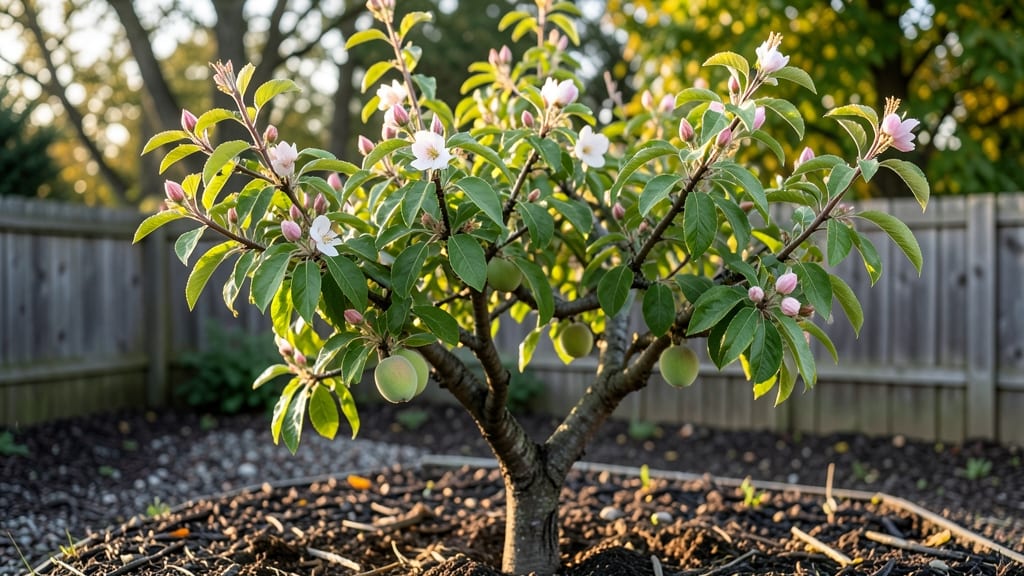
Peach tree flowers turn into fruit when pollinated, fertilized, and nurtured with proper care—but only about 1-5% of flowers actually develop into mature peaches.
This transformation happens through a fascinating biological process where bees or wind transfer pollen, triggering fertilization. 🌸 However, most flowers drop off naturally due to environmental stress, disease, or poor growing conditions. Even with ideal care, nature's efficiency means only a fraction of blossoms survive to fruition.
What's interesting is how peach trees prioritize resources—stronger flowers with better placement have higher success rates. I've noticed that early-morning pollination (when bees are most active) and consistent watering during bloom can significantly improve fruit set.
💡 In This Article
- How Peach Tree Flowers Develop Into Fruit
- Maximizing Peach Tree Fruit Production
How peach tree flowers develop into fruit
The journey from peach tree flower to fruit begins with pollination, where pollen from the male anthers must reach the female stigma. Peach trees are mostly self-pollinating, but only about 10-30% of flowers can self-pollinate effectively—most rely on bees like honeybees or bumblebees for cross-pollination.
The tree's blossoms open in stages, with some flowers maturing slightly later to ensure overlapping bloom times for better pollen transfer. 🌸 When pollen lands on the stigma, it triggers a chemical reaction that activates enzymes to break down the pollen wall, releasing sperm cells.
Once fertilization occurs, the ovary begins transforming into a peach. This process, called fruit set, typically happens within 1-2 weeks after successful pollination. The fertilized ovules develop into seeds, while the ovary wall thickens and expands into the fleshy fruit we recognize.
Interestingly, peach trees often abort weak or poorly fertilized flowers—this natural pruning helps the tree conserve energy for stronger fruit development. Most flowers drop off during this stage, leaving only the healthiest to mature.
Temperature plays a critical role here. Peach trees need chill hours (below 45°F) during winter to break dormancy, but warm spring days (around 70-85°F) are ideal for pollination activity. If temperatures rise above 90°F during bloom, bees become less active, reducing pollination rates.
This is why early-morning pollination is often more successful—the cooler air keeps bees working longer. Additionally, wind can help with pollen dispersal, but it's less efficient than bee activity.
After fruit set, the developing peaches enter a rapid growth phase where they need consistent moisture and nutrients. The tree's vascular system transports sugars and water to the fruit, causing it to swell.
At this stage, you might notice tiny peaches forming but then falling off—this is called June drop, a natural process where the tree eliminates underdeveloped or stressed fruit to focus resources on the strongest remaining peaches. 🍑 This drop can be heavy, with up to 50-70% of set fruit falling, but it's essential for the quality of the remaining harvest.
One fascinating aspect is how peach trees prioritize fruit development based on flower position. Flowers on the outside of the tree often have higher success rates because they receive more sunlight and are more accessible to pollinators.
Meanwhile, flowers deep inside the canopy may struggle due to shade or limited pollen transfer. This is why proper pruning—opening up the tree's structure—can improve fruit set by enhancing light penetration and pollinator access.
The entire process from pollination to mature fruit takes about 60-90 days, depending on the peach variety and growing conditions. During this time, the fruit undergoes significant changes in texture, color, and sugar content.
For example, a peach starts as a small, hard, green structure and gradually softens as it accumulates sugars and develops its signature aroma. Understanding this timeline helps gardeners anticipate care needs, like thinning fruit to reduce disease risk or applying fertilizer to support growth.