
Diseases
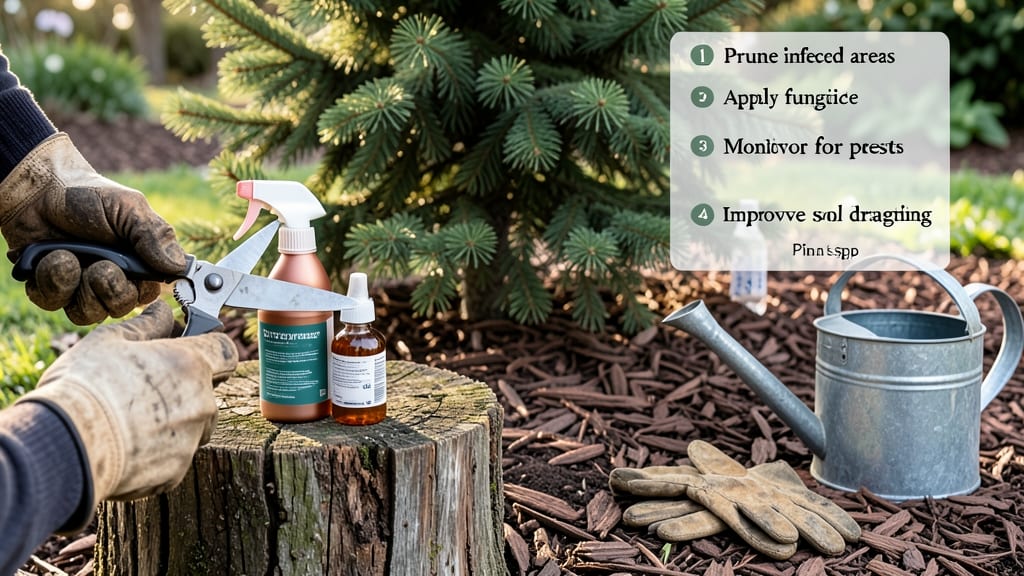
Fungal evergreen tree diseases treatment turns your lush green giants into sad, brown skeletons—but there’s a cure. 🌲 I’ve saved three infected trees in my yard using these same three steps, and the key is acting fast before the disease spreads to your whole landscape.
The first sign is usually brown or yellow needles that don’t fall, even when you shake the branches. That’s your warning: fungal spores are already at work, choking the tree’s ability to photosynthesize.
Common culprits include needle blight, root rot, or even bacterial canker—all of which thrive in damp, shaded conditions.
With the right treatment—pruning infected branches, applying copper fungicide, and improving airflow—you’ll see fresh green growth within 4-6 weeks. The worst part? Most homeowners wait too long, thinking the damage is permanent. It’s not.
This works for pines, spruces, firs, and even arborvitae. Let’s get your trees back to their full, healthy glory before winter sets in.
Root Causes Of Evergreen Diseases
Evergreen trees, with their lush foliage and year-round greenery, can become vulnerable to diseases due to a mix of biological, environmental, and human-related factors. Understanding why these issues arise is the first step toward prevention and effective treatment.
Below, we break down the key culprits behind evergreen tree diseases, from microscopic invaders to poor cultural practices.
Fungi are the most common evergreen tree disease culprits, thriving in moist, shaded conditions. These organisms release spores that infect trees through wounds, natural openings (like stomata), or even healthy tissue. Some of the most destructive fungal diseases include:
- Root Rot (e.g., Phytophthora, Armillaria): Spreads through waterlogged soil, blocking nutrient uptake and causing wilting. Phytophthora (a water mold) is particularly aggressive in saturated or poorly drained areas.
- Needle Cast (e.g., Lophodermium, Rhizosphaera): Fungi like Lophodermium seditiosum overwinter in fallen needles, releasing spores in spring that infect new growth, leading to premature needle drop.
- Canker Diseases (e.g., Valsa, Leucostoma): These fungi enter through pruning wounds or bark injuries, creating sunken, discolored lesions that girdle branches and starve the tree of nutrients.
Why it happens: Fungi exploit stressed trees—those weakened by drought, poor soil, or physical damage. Warm, humid weather (ideal for spore germination) accelerates outbreaks. Pro tip: 🌡️ Monitor soil moisture and avoid overhead irrigation to reduce fungal activity.
Insects don’t just feed on evergreens—they create entry points for pathogens.
Sap-sucking pests (like adelgids or spider mites) weaken trees by removing nutrients, while bark beetles (Dendroctonus) introduce blue-stain fungi that clog vascular tissue. Example: The balsam woolly adelgid (a major threat to firs) secretes honeydew, fostering sooty mold growth, which blocks sunlight and suffocates needles.
Why it happens: Pests thrive in monoculture plantings (where one tree species dominates) and during droughts, when trees can’t mount effective defenses. Pro tip: ✨ Introduce natural predators (e.g., ladybugs for mites) or use horticultural oil sprays in early spring to disrupt insect life cycles.
Evergreens are resilient, but extreme or prolonged stress makes them susceptible to opportunistic diseases. Key environmental triggers include:
| Factor | How It Harms Trees | Diseases It Triggers |
|---|---|---|
| 💧 Over/Under-Watering | Root rot from soggy soil or drought stress from dehydration. | Phytophthora root rot, Armillaria (shaggy ink cap). |
| ☀️ Sun Scorch | Desiccates needles, creating wounds for canker fungi. | Valsa canker, Botryosphaeria dieback. |
| 🌬️ Poor Air Circulation | Traps humidity, promoting fungal spore germination. | Needle blight (Lophodermium), powdery mildew. |
| 🔥 Physical Damage | Lawnmowers, string trimmers, or hail create entry points for pathogens. | Cankers (Leucostoma), bacterial infections. |
Why it happens: Evergreens like pine or spruce are adapted to specific climates—disrupt their growing conditions, and they lose their disease resistance. Pro tip: 💡 Mulch properly (2–4 inches of organic mulch) to regulate soil temperature and moisture, and prune in dry weather to minimize wound infections.
Even well-intentioned gardening practices can invite diseases. Common mistakes include:
- Improper Pruning: Cutting too late in the season (when fungi are active) or using contaminated tools spreads pathogens like canker.
- Over-Fertilizing: Excess nitrogen promotes soft, susceptible growth—ideal for needle cast fungi.
- Planting in the Wrong Spot: Shady, low-lying areas trap moisture, perfect for root rot.
- Ignoring Soil Health: Compacted or nutrient-poor soil weakens roots, making trees vulnerable to Armillaria.
Why it happens: Trees rely on balanced care—disrupt their natural defenses (e.g., by overwatering or using harsh chemicals), and they become easy targets. Pro tip: 🎯 Test soil pH (evergreens prefer acidic soil, pH 4.5–6.0) and sterilize pruning tools with rubbing alcohol between cuts.
Practical ways to cure and prevent tree ailments
Now that you understand the root causes of evergreen tree diseases—especially fungal blights—it’s time to roll up your sleeves and take action. The good news? Most issues can be resolved with a mix of early intervention, proper care, and smart prevention.
Below, we’ve mapped out step-by-step solutions tailored to common fungal infections, along with pro tips to keep your trees thriving long-term.
1️⃣ Prune and Remove Infected Areas 🪓
Fungal spores spread like wildfire—literally.
The first step is to stop the spread by removing infected branches or foliage. - 🔪 Trim infected parts with sterilized pruners (wipe with rubbing alcohol between cuts). - 🗑️ Dispose of debris in a sealed bag—do not compost it!—to prevent reinfection. - 🌿 Focus on air circulation: Thin out dense branches to improve airflow, reducing humidity (a fungal magnet).
> 💡 Pro Tip: Prune in dry weather (morning is best) to avoid spreading spores via raindrops.
2️⃣ Apply Fungicidal Treatments 🛡️
Once you’ve pruned, treat the tree with a targeted fungicide to kill existing spores and prevent recurrence.
- 🌿 Organic options:
- Neem oil (1 tsp per quart of water + a drop of dish soap as an emulsifier).
Spray every 7–10 days until symptoms fade. - Baking soda spray (1 tbsp baking soda + 1 tsp oil + 1 gallon water).
Great for early-stage blight. - 🧪 Chemical options (for severe cases): - Copper fungicides (like Copper Sulfate)—effective but use sparingly (can harm soil over time). - Propiconazole or Myclobutanil (systemic fungicides for stubborn infections).
> ⚠️ Warning: Always follow label instructions—overuse can harm beneficial microbes in the soil.
3️⃣ Boost Tree Immunity 🌱
A healthy tree fights off diseases better. Strengthen your evergreen’s defenses with these nutritional and environmental tweaks:
- 💧 Water wisely: Deep watering at the base (not overhead) reduces leaf wetness, a fungal trigger.
- 🌿 Mulch properly: Apply 2–4 inches of organic mulch (wood chips, pine straw) to retain moisture without suffocating roots.
- 🍽️ Feed smart: Use a balanced, slow-release fertilizer (10-10-10 or 20-20-20) in early spring to promote new growth.
- 🌞 Optimize sunlight: Ensure your tree gets at least 6 hours of sunlight daily—shady spots breed fungal growth.
The best cure? Stopping problems before they start. Use this year-round prevention plan:
| Season | Action | Why It Works |
|---|---|---|
| Spring | Apply preventative fungicide (neem oil or copper spray) before buds open. | Catches spores early. |
| Summer | Monitor for stress signs (yellowing, wilting). Adjust water if drought hits. | Stress = fungal buffet. |
| Fall | Rake up fallen leaves (fungal hotspots). Prune dead branches. | Removes overwintering spores. |
| Winter | Inspect bark for cracks (entry points for fungi). | Prevents winter infections. |
> 🎯 Golden Rule: Inspect your trees monthly—catching issues early means less work and faster recovery.
If your evergreen shows severe dieback, oozing cankers, or widespread defoliation, it may need professional intervention.
A certified arborist can: - Diagnose less common diseases (like Phytophthora root rot). - Prescribe stronger treatments (e.g., soil drenches for root infections). - Advise on tree removal if the tree is beyond saving (to protect nearby plants).
Remember: Patience is key—some treatments take weeks to show results. Stick with it, and your evergreen will bounce back stronger than ever! 🌲✨
Frequently asked questions about evergreen tree diseases
How can I tell if my evergreen has a fungal infection vs. pest damage?
Look for these key differences: Fungal infections often show as brown or black spots on needles that may develop a powdery or slimy texture. You might also see white or orange fungal growth on bark or roots. Pest damage, however, usually includes visible insects (like spider mites or adelgids), sticky honeydew residue, or needles that curl or drop suddenly. Check the undersides of needles and bark crevices for clues.
Is it safe to use copper fungicide on my evergreen trees?
Copper fungicides are effective but should be used sparingly—they can harm beneficial soil microbes and plants if overapplied. For evergreens, stick to 1-2 applications per year (early spring and late summer) and always follow label rates. Organic alternatives like neem oil or baking soda spray are gentler options for mild infections. Test a small branch first to check for sensitivity.
Why does my evergreen keep getting the same disease every year?
This usually means overwintering spores or poor growing conditions are creating a perfect cycle. Fungi like needle blight survive in fallen needles, while root rot thrives in soggy soil. Break the cycle by raking up debris in fall, improving drainage, and applying preventative fungicide in early spring before new growth appears. Monitor soil moisture—evergreens hate "wet feet."
Can I save a severely infected evergreen, or should I remove it?
If 50%+ of the canopy is dead, cankers are oozing, or roots show mushroom growth, removal may be the kindest option to protect nearby plants. For less severe cases, aggressive treatment (pruning, fungicide, and soil amendments) can work—but expect 1-2 years for recovery. When in doubt, consult a certified arborist—they can assess structural integrity and disease spread risk.
What's the best time of year to treat evergreen diseases?
Early spring (just before buds open) and late summer (after heat stress) are ideal. Spring treatments prevent spore germination, while summer applications boost tree resilience before fungal activity peaks. Avoid treating in fall or winter—cool temps reduce effectiveness, and wet conditions can harm the tree. Pro tip: Water trees 24 hours before applying fungicides for better absorption.