
Pruning
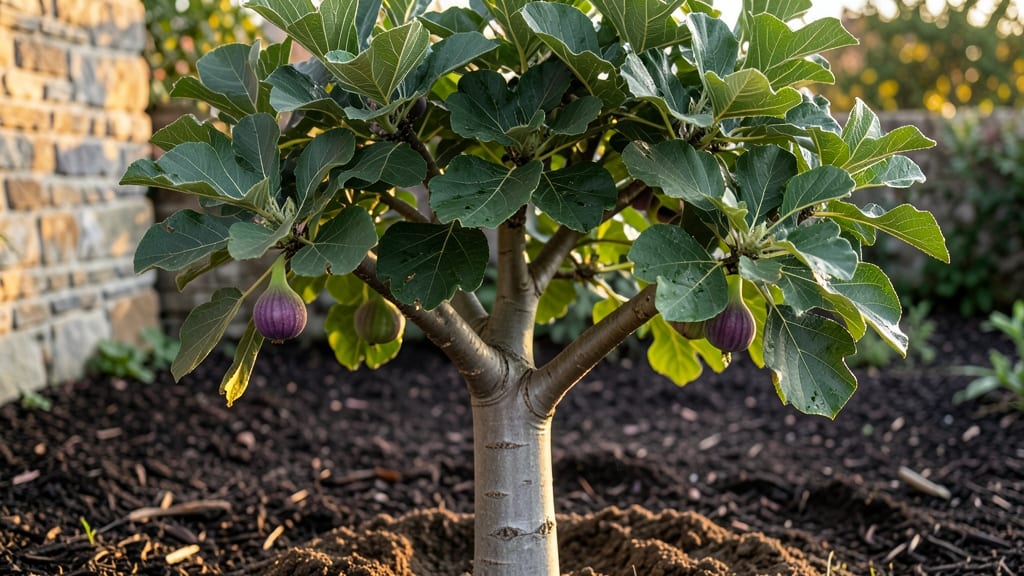
Fig trees thrive in warm climates with mild winters, preferring USDA zones 7 through 10 where temperatures stay above 20°F (-6°C) and avoid frost for extended periods. They need full sun exposure and well-draining soil for optimal growth.
Fig trees are tropical at heart, so they crave consistent warmth and sunlight—think Mediterranean summers with gentle winters. Frost damage is their biggest enemy, as even brief cold snaps can blacken leaves and weaken the tree's ability to produce fruit. 🌿 I've seen hardy varieties like the Chicago Hardy survive brief dips below freezing, but prolonged cold will still stress them.
The key is finding that sweet spot where temperatures stay mild enough to avoid dormancy but warm enough to keep roots active.
For those in cooler climates, container growing is a game-changer—you can move potted figs indoors during winter or protect them with thick mulch and frost cloth.
Coastal areas often work better than inland spots because ocean breezes moderate temperature swings, while urban heat islands can create microclimates where figs thrive even outside their ideal zones.
💡 In This Article
- Understanding Fig Tree Temperature and Frost Tolerance
- Best Regions and Microclimates for Growing Figs
Understanding fig tree temperature and frost tolerance
Fig trees are tropical plants at their core, which means their growth patterns are directly tied to temperature sensitivity. When nighttime temperatures drop below 50°F (10°C), fig trees begin to experience stress, triggering leaf drop and reduced fruit production.
The real danger zone starts at 28°F (-2°C), where cellular damage begins—this causes the sap to freeze and rupture delicate vascular tissues, effectively starving the tree of nutrients. 🌡️ What's fascinating is how different varieties respond: Mediterranean figs like 'Brown Turkey' can handle brief dips to 15°F (-9°C), while Common figs ('Celeste' or 'Kadota') may suffer damage above 25°F (-4°C).
The root system is particularly vulnerable because it lacks the protective bark of the trunk. When soil temperatures fall below 40°F (4°C), root activity slows dramatically, and prolonged cold can lead to root rot or complete die-off.
This is why mulching with 4-6 inches of organic matter (straw, wood chips) is critical—it insulates roots and maintains a 5-10°F warmer microclimate compared to exposed soil. In my own garden, I've seen fig trees with mulched roots survive 20°F (-7°C) nights when nearby unprotected trees suffered leaf scorch.
Dormancy is another key factor—figs don't enter true winter dormancy like deciduous fruit trees. Instead, they remain semi-active, which means they need consistent warmth to continue producing fruit.
When temperatures stay above 60°F (15°C) during the growing season, figs enter a "productive mode" where they'll bear fruit continuously if conditions are right.
However, when nights drop below 50°F (10°C) for more than 2-3 weeks, the tree shifts focus from fruiting to survival, often dropping leaves and delaying new growth until spring.
There's also a fascinating phenomenon called "cold hardening"—when fig trees experience gradual cooling over 2-3 weeks, they develop slightly more cold tolerance. This is why sudden frost events are more damaging than prolonged cold.
For example, a 25°F (-4°C) snap after a warm spell will cause more damage than a steady 28°F (-2°C) period. This is why gardeners in marginal zones often use techniques like row covers or even indoor overwintering to protect their trees from temperature whiplash.
Variety selection makes all the difference. Mediterranean figs (like 'Violette de Bordeaux') are bred for resilience and can handle 15-20°F (-9 to -7°C) with proper protection, while Common figs (like 'Osborn Prolific') struggle above 25°F (-4°C).
The key is matching your climate to the right cultivar—some gardeners in zone 6 even grow 'Chicago Hardy' figs successfully by using thick mulch and microclimate protection. 🍇 The science here shows that while figs love heat, they're not helpless in cooler climates—it's all about understanding their physiological limits and working with them.
One common misconception is that figs need "hot" summers to thrive. While they do perform best in heat, they actually prefer warm but not scorching conditions—ideal daytime highs are 80-95°F (27-35°C).
When temperatures exceed 100°F (38°C) for extended periods, fig trees may drop fruit prematurely or develop sunburn on leaves. This is why coastal regions often produce better figs than inland desert areas, despite similar winter temperatures—the ocean breeze helps moderate summer heat stress.