
Pruning
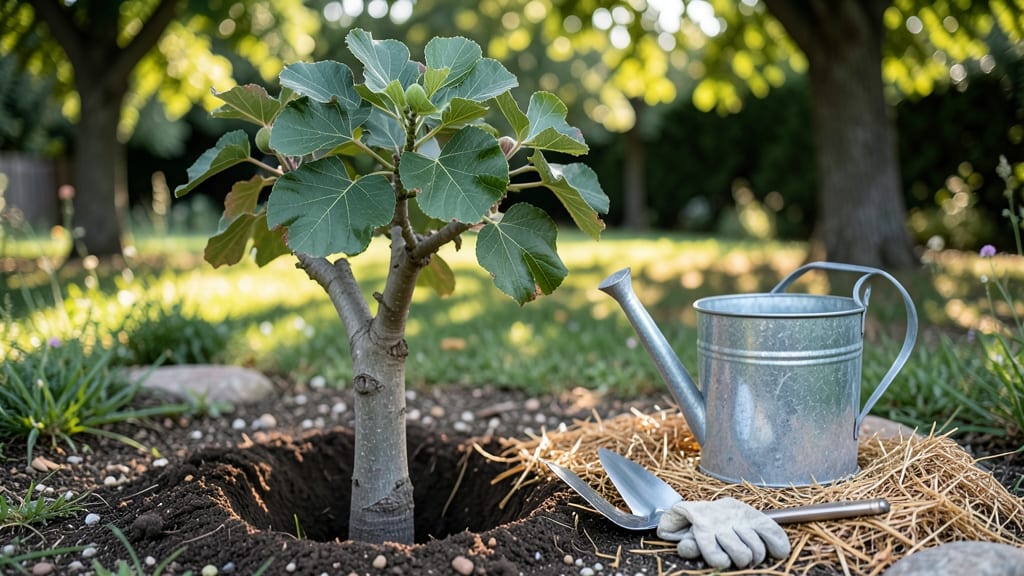
The best fig tree planting location includes full sun exposure for 6-8 hours daily, well-draining soil rich in organic matter, and warm climates (USDA zones 7-11). Avoid soggy areas and cold drafts for healthy growth.
Fig trees are sun worshippers—think of them as Mediterranean natives that crave bright, unfiltered light to produce sweet fruit. 🌞 Without enough sunlight, you’ll get leafy growth but few (if any) figs, since sunlight triggers the chemical processes that develop flavor and sugar content.
I’ve seen firsthand how a tree in partial shade might still produce a few figs, but they’re often smaller and less flavorful. The ideal spot also needs protection from strong winds, which can stress the tree and damage its delicate branches.
When it comes to soil, figs despise soggy roots—waterlogged conditions lead to root rot and stunted growth. Amending heavy clay with compost or planting in raised beds helps create the well-draining environment these trees love. In containers, use a mix of potting soil and perlite to mimic sandy, loamy conditions.
And don’t forget: figs thrive in heat but struggle with frost. If you’re in zone 6 or cooler, opt for cold-hardy varieties like ‘Chicago Hardy’ or plant in containers you can move indoors during winter.
💡 In This Article
- Optimal Sunlight and Climate Conditions for Fig Trees
- Best Soil Types and Planting Spots for Healthy Figs
Optimal sunlight and climate conditions for fig trees
Fig trees rely on sunlight to power their growth and fruit production through photosynthesis, but not all light is equal.
These trees need direct sunlight for 6-8 hours daily because their leaves contain chlorophyll that converts sunlight into energy—specifically, the blue and red wavelengths (400-700nm) trigger the chemical reactions that produce glucose for growth and fruit development.
Without sufficient light, the tree diverts energy to leaf production instead of forming figs, resulting in what gardeners call "blind shoots"—stems with no fruit.
The ideal temperature range for fig trees spans 70-90°F during the day, with nighttime temperatures above 55°F. Below 40°F, the tree’s metabolism slows dramatically, and prolonged exposure to 32°F or lower can kill the tree or damage its bark.
This is why USDA zones 7-11 are perfect: these regions provide consistent warmth and minimal frost risk.
For example, a fig tree in zone 9 (like Southern California) will produce fruit year-round, while one in zone 7 (like Kansas) may need winter protection or cold-hardy varieties like ‘Celeste’ or ‘Osborn Prolific.’
Climate also affects fig trees through humidity levels—too much moisture in the air can encourage fungal diseases like root rot or leaf spot. In humid regions (like Florida), spacing trees 15-20 feet apart improves airflow and reduces disease risk.
Conversely, dry climates (like Arizona) require regular watering to prevent stress, but always ensure the soil drains quickly to avoid waterlogging. The key is mimicking the Mediterranean climate these trees evolved in: hot, dry summers with mild winters.
One often-overlooked factor is the tree’s exposure to wind. While figs need good airflow to prevent fungal issues, strong winds can desiccate leaves or snap branches. Planting near a southeast-facing fence or wall provides wind protection while maximizing morning sunlight.
I’ve seen fig trees in exposed locations struggle with stunted growth, while those sheltered by a building or hedge thrive—even in the same yard. This is because wind chill can drop leaf temperatures faster than ambient air, stressing the tree.
For container-grown figs, sunlight needs are even more critical. Since pots limit root spread, the tree relies entirely on above-ground conditions. Place containers in full sun with southern exposure and rotate them weekly to ensure even light exposure.
Without this, one side of the tree may grow lopsided, with fewer figs forming on the shaded side. In urban settings, south-facing balconies or rooftops often work well, provided they get at least 6 hours of direct light between 10 AM and 4 PM, when sunlight is most intense.
If you’re in a cooler climate (zones 6 or below), consider microclimates—small areas with warmer conditions than the surrounding region. South-facing slopes, near a brick wall, or even a greenhouse can extend the growing season.
I’ve successfully grown figs in zone 5 by planting them in black containers (which absorb heat) and moving them to a sunroom in winter. The goal is to keep the roots above 40°F at all times, as cold soil is more damaging than cold air.
Remember: fig trees are resilient but finicky about their environment. The right balance of sunlight, warmth, and protection creates the perfect stage for these trees to flourish—and reward you with sweet, sun-ripened fruit. 🌿