
Pruning
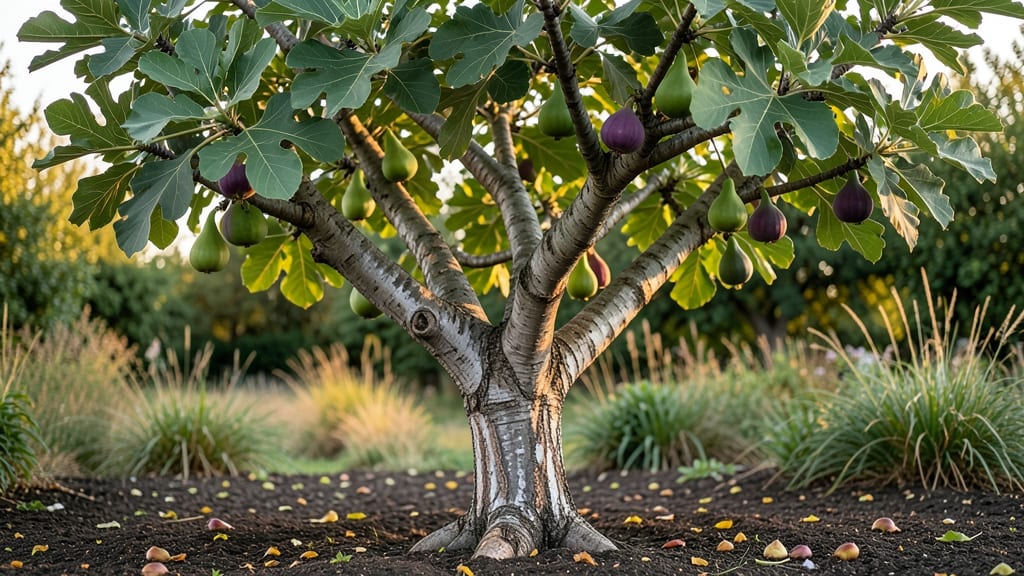
Giving your fig tree the perfect shape turns your garden into a living work of art. 🌿 The secret lies in understanding when to prune, which branches to cut, and how to guide growth—whether you want a lush standard tree, an elegant espalier, or a low, bushy form.
My first attempt looked like a wild mess, but after three seasons of intentional shaping, my fig tree now has a balanced canopy that produces fruit and looks stunning year-round.
You’ll need sharp pruning shears, a ladder (for taller trees), and a clear vision of your desired shape—whether that’s a single-trunk standard, a flat wall espalier, or a multi-stemmed bush. Timing matters too: late winter or early spring is ideal for major cuts, while summer pruning keeps the tree tidy.
The key is patience; figs respond best to gradual shaping over time, not drastic changes in one season.
By summer’s end, you’ll have a tree with a symmetrical canopy, strong branches, and plenty of space for sunlight to reach all the fruit. The best part? Once established, shaped fig trees require minimal upkeep—just occasional trimming to maintain balance.
Your garden will feel like a curated masterpiece, with every branch serving both form and function.
Works for both small urban spaces and sprawling backyards—just adjust the tools and scale. Whether you’re training a young sapling or refining an older tree, this method delivers professional results without the guesswork. Ready to transform that wild fig into garden art?
📚 In This Guide
- What you need
- Instructions
- Tips and common mistakes
- Wrapping up and next steps
What you need
- ● Pruning shears – Sharp, bypass-style shears (for cuts under ½ inch in diameter). Pro tip: Sanitize with rubbing alcohol to prevent disease spread! 💡
- ● Loppers – For thicker branches (½ to 1½ inches). Look for bypass blades for cleaner cuts.
- ● Pruning saw – Heavy-duty, curved blade for branches over 1½ inches. ✨ Tip: A folding saw saves space!
- ○ Gloves – Heavy-duty, cut-resistant gloves (thorns are no joke!). Optional: Gardening gloves with grip for extra comfort.
- ● Disinfectant – 70% isopropyl alcohol or a copper-based pruning sealant to sterilize tools between cuts.
- ● Twine or zip ties – For temporary support if you’re training young branches into shape.
- ● Marking twine or spray paint – To tag branches for removal (non-toxic, washable formula).
- ● Ladder or sturdy stool – For reaching higher branches safely. ⚠️ Safety first: Use a harness if your tree is over 10 feet tall!
- ● Hand pruners with a crimping tool – For sealing larger cuts and reducing sap bleed.
- ● Tree wound dressing – Controversial but useful for large, jagged cuts (use sparingly!).
- ● Garden hose or spray bottle – To rinse tools and clean sap off branches post-pruning.
- ● Camera or phone – Snap before/after photos to track your fig tree’s transformation! 📸
- ● Know your fig tree’s variety – Some (like Ficus carica) respond better to pruning than others. 🔥 Tip: Research if your tree is standard-bearing (produces fruit on old wood) or non-bearing (needs new growth).
- ● Check the season – Best time to prune depends on your climate! Dormant season (late winter/early spring) is ideal for most fig trees.
- ● Weather forecast – Avoid pruning during rain or extreme heat (stresses the tree).
How to prune a fig tree for a perfect, balanced canopy
Here's how to sculpt your fig tree into a beautiful, functional shape that produces abundant fruit year-round.
✂️ Step 1: Assess the Tree's Natural Shape and Growth Habits
Start by examining your fig tree's current structure—look for the main scaffold branches (those growing directly from the trunk) and any water sprouts (fast-growing, vertical shoots). Figs naturally grow with a broad, open canopy, so your goal is to enhance that shape rather than force an unnatural form. I like to prune when the tree is dormant in late winter or early spring, just before new growth begins.
Run your hands along the branches to feel for any crossing limbs or dead wood. Crossed branches rub against each other, creating wounds that invite disease. Mark these with a piece of twine or tape so you don’t miss them during pruning. Here's the thing—figs respond well to pruning, but they don’t like drastic cuts. Think of this as a gentle sculpting process rather than aggressive trimming.
✂️ Step 2: Remove Dead, Diseased, or Weak Branches First
Using clean, sharp pruning shears, start by cutting out any branches that are dead, diseased, or showing signs of dieback (like brown, brittle wood or lack of leaves). Make your cuts just outside the branch collar—the swollen area where the branch meets the trunk. This ensures the tree can seal the wound naturally and prevents decay from creeping into the trunk.
Next, remove any water sprouts or suckers growing from the base of the tree. These vertical shoots steal energy from the main branches and fruit production. Snip them off at the base with a clean cut. If you have a young fig tree, you might also thin out some of the smaller branches to improve airflow and sunlight penetration. Real talk: this step is non-negotiable—skipping it leads to a crowded, unhealthy canopy.
✂️ Step 3: Shape the Canopy for Balance and Fruit Production
Now focus on shaping the tree’s canopy to encourage a balanced, open structure. Figs produce fruit on one-year-old wood, so aim to keep a mix of older branches and new growth. Start by selecting 3-5 main scaffold branches—these should be spaced evenly around the trunk and angled outward to form a natural, rounded shape.
To encourage outward growth, cut back any branches that are growing inward or rubbing against each other. Make your cuts just above an outward-facing bud or leaf node. For thicker branches, use a 3-step pruning cut: first undercut the branch, then make a top cut, and finally remove it cleanly. This prevents tearing and ensures a smooth seal. You’ll see the tree’s natural shape emerge as you remove competing growth—think of it like trimming a topiary, but with more organic flow.
✂️ Step 4: Thin Out Interior Branches for Sunlight and Airflow
Figs need plenty of sunlight to produce fruit, so thin out any branches growing too densely in the center of the tree. Remove about 20-30% of the interior growth to improve airflow and reduce humidity, which helps prevent fungal diseases. Focus on smaller branches first—these are easier to remove and won’t disrupt the tree’s overall structure.
Here’s where it gets fun: watch how the tree responds. After pruning, you’ll notice new growth emerging from the sides of the remaining branches. This is your fig tree’s way of saying, “Thanks for the space!” Over time, this new growth will fill in the canopy while keeping it open and airy. Don’t overdo it—figs are resilient, but they won’t bounce back from aggressive pruning. If a branch looks like it’s struggling, leave it be and focus on healthier growth.
✂️ Step 5: Maintain Shape Through the Growing Season
Pruning isn’t just a winter task—figs benefit from light maintenance throughout the year. After the tree finishes fruiting in late summer or early fall, do a quick check for any overly vigorous shoots or branches that are growing out of balance. Trim these back by about one-third to encourage bushier growth.
Throughout the growing season, keep an eye out for suckers or water sprouts and remove them as soon as they appear. This prevents them from stealing energy from your fruit production. In late winter, before the buds swell, give the tree another light pruning to clean up any dead wood or crossing branches. You’ll see the difference in just a few months—a tree that’s open, healthy, and loaded with fruit. This is the moment that matters: a well-shaped fig tree isn’t just pretty; it’s productive.
Tips & tricks for perfect fig tree shape
A few simple secrets that'll transform your fig tree into a thriving, fruit-filled masterpiece—without the guesswork.
Timing is Everything: Late winter or early spring is the sweet spot for pruning, right before those first buds swell. This timing gives your tree the entire growing season to recover and produce fruit. I've learned the hard way—pruning too early can expose tender new growth to late frosts, while waiting too long means you're cutting into next year's fruit production. Mark your calendar for that window between dormancy and bud break!
The Right Tools Make All the Difference: Never use dull shears—they tear wood instead of making clean cuts. Invest in a good pair of bypass pruners for branches up to ½-inch thick, and a pruning saw for thicker branches. Sterilize your tools with rubbing alcohol between cuts to prevent spreading disease. I keep a small bottle in my tool belt for quick clean-ups during pruning sessions. Clean cuts heal faster and look more professional too.
Branch Collar Matters More Than You Think: When removing branches, always cut just outside the branch collar—the swollen area where the branch meets the trunk. This ensures the tree can seal the wound naturally and prevents decay from creeping into the trunk. I've seen too many pruning mistakes where people cut too close to the trunk, creating ugly stubs that never heal properly. Think of the branch collar as your tree's natural bandage—preserve it!
Seasonal Maintenance Keeps Your Tree Happy: Don't think pruning is just a winter chore—figs appreciate year-round attention. After fruiting season, do a quick check for overly vigorous shoots and trim them back by about one-third. Throughout the growing season, remove any new water sprouts or suckers as soon as you spot them. This ongoing care prevents energy drain from your fruit production. I treat my fig tree like a living sculpture—constant gentle shaping yields the best results.
Pro Tips for Fig Tree Shape
- A few simple secrets that'll transform your fig tree into a thriving, fruit-filled masterpiece—without the guesswork.
- Timing is Everything: Late winter or early spring is the sweet spot for pruning, right before those first buds swell.
- The Right Tools Make All the Difference: Never use dull shears—they tear wood instead of making clean cuts.
Frequently asked questions
Got questions about shaping your fig tree’s canopy? You’re not alone! Here are some of the most common inquiries—plus quick, actionable answers to keep your tree thriving year-round.
What’s the best time of year to prune a fig tree for shape?
Prune fig trees after harvest (late summer/early fall) to encourage new growth before winter. For warmer climates, light pruning can happen in early spring to remove dead wood. Avoid heavy pruning in late winter—figs bloom on old wood, so timing matters!
How do I fix an overgrown fig tree with a messy canopy?
Start by removing dead, crossing, or inward-growing branches first. Then, thin out crowded branches to improve airflow. Use clean cuts at a 45° angle just above a bud or branch collar. Never top the tree—it weakens figs and encourages disease.
Can I prune fig trees in winter? What about cold climates?
In USDA Zones 7-9, prune lightly in late winter (before buds swell) to avoid frost damage. In colder zones (6 or below), wait until spring (after last frost) to prune. Wrap young trees in burlap if heavy snow is expected—figs hate cold stress!
What if my fig tree isn’t producing fruit after pruning?
Fig trees need balanced pruning: too much cuts back fruit, too little leads to overcrowding. Focus on removing suckers at the base and thinning branches to 60% sunlight exposure. If it’s still struggling, check for pests (like fig beetles) or nutrient deficiencies (add compost!).
Are there alternatives to traditional pruning for shaping?
Yes! Try espalier training (growing figs flat against a fence/wall) for compact shapes, or topiary (using wire cages) for formal designs. For dwarf varieties, container pruning (trimming roots + branches) works well. Just avoid drastic cuts—figs respond best to gradual shaping.
Wrapping up and next steps
Mastering the fig tree shape through year-round pruning isn’t just about aesthetics—it’s about nurturing a healthier, more productive tree! 🌿 By understanding seasonal needs, tools, and techniques, you’ve got everything you need to sculpt a balanced canopy that thrives in every season.
Remember, consistency is key, so keep an eye on your fig tree and adjust as it grows.
Ready to put your new skills to work? Start small—prune just one branch this week and observe how your tree responds. Over time, you’ll build confidence and create a stunning, functional fig tree that’s the envy of the neighborhood! 🌟