
Picking
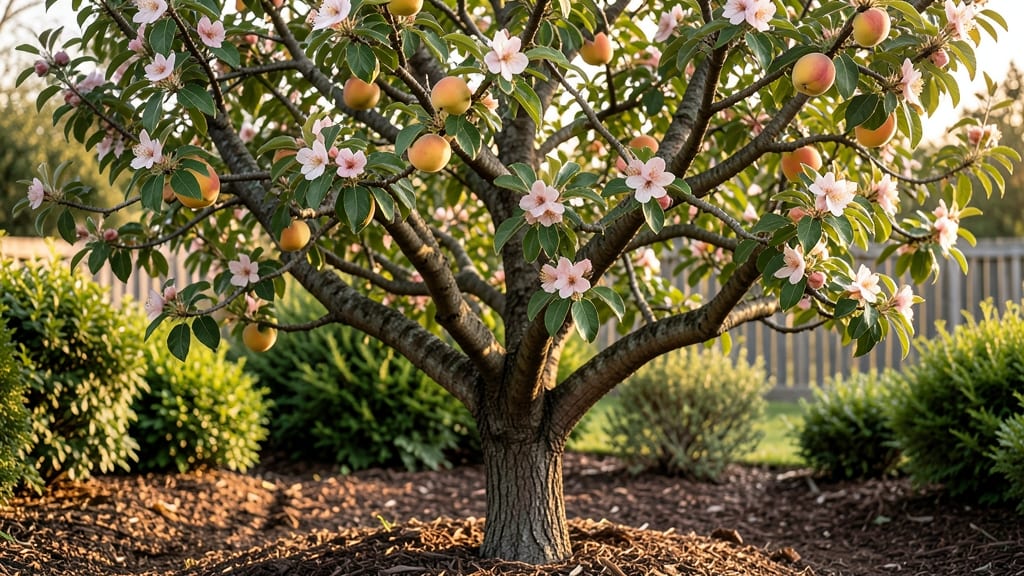
The Florida King peach tree thrives with just 200-300 chill hours—far fewer than traditional varieties—making it the perfect choice for Florida’s warm winters.
Here’s the catch: without enough cold, your tree might skip flowering entirely, leaving you with a beautiful 🍑 ornamental plant instead of a fruit-bearing powerhouse. Unlike northern peaches, this variety was bred for Florida’s subtropical climate, but even a few extra degrees can throw off its delicate balance.
In this guide, I’ll break down exactly how chill hours work, why Florida’s microclimates matter, and the simple tricks—like strategic pruning or winter chilling hacks—to ensure your tree gets the cold it needs without waiting for a frost.
You’ll also discover the best Florida zones for planting, how to spot a tree that’s struggling, and whether container growing could be your secret weapon for urban yards.
Understanding Florida King peach tree chill hours requirements
The Florida King peach tree is a game-changer for Florida gardeners, offering sweet, juicy fruit without the high chill hour requirements of traditional peach varieties. While most peaches need 500-1,000 chill hours to flower, this variety thrives with just 200-300 chill hours.
This low requirement aligns perfectly with Florida’s mild winters, where temperatures rarely drop enough to accumulate high chill hours naturally.
Chill hours are the number of hours a plant experiences temperatures between 32°F and 45°F. These cold periods signal the tree to break dormancy and trigger flowering and fruiting. Without enough chill hours, peach trees remain dormant, producing little to no fruit.
The Florida King variety’s adaptation makes it ideal for Florida’s USDA Zones 9-11, where traditional peaches often fail due to insufficient winter cold.
| Requirement | Florida King Peach | Traditional Peaches |
|---|---|---|
| Chill Hours Needed | 200-300 hours | 500-1,000+ hours |
| Optimal Temperature Range | 32°F-45°F | 32°F-45°F |
| USDA Hardiness Zones | 9-11 | 5-8 |
| Fruiting Trigger | Low chill hours | High chill hours |
| Best Planting Months | January-March | Late fall/winter |
Traditional peach varieties rely on extended winter cold to set buds for spring blooms. For example, a Elberta peach needs around 800 chill hours, while a Redhaven requires nearly 1,000 hours. These varieties struggle in Florida because winters rarely provide enough cold snaps.
The Florida King, however, has been selectively bred to bloom and fruit with minimal chill exposure, making it a standout choice for Florida’s subtropical climate.
Scientifically, chill hours work by resetting the tree’s biological clock. During cold periods, the tree’s endogenous hormones shift from dormancy to growth mode. For the Florida King, even short, sporadic cold spells can accumulate enough chill hours to trigger flowering.
This adaptability is why it thrives in Florida’s mild winters, where temperatures might dip into the 40s°F for brief periods but rarely stay cold long enough for traditional peaches.
If you’re planting a Florida King peach tree, aim for early spring planting (January-March) to give the tree time to establish roots before the next growing season.
The tree’s low chill hour requirement means it can start producing fruit as early as the first or second year after planting, provided it receives adequate sunlight and water. Unlike traditional peaches, it won’t wait years for sufficient cold exposure—it’s ready to go once the weather warms up.
One common misconception is that Florida’s warm climate means no cold at all. In reality, even subtle temperature drops can contribute to chill hours. For instance, a 3-day stretch of 40°F nights in January could provide 72 chill hours.
Tracking these microclimates—especially in cooler inland areas like Gainesville or Tallahassee—can help maximize chill hour accumulation naturally. Urban gardeners in Miami or Fort Lauderdale, where winters are even milder, may need to use artificial chilling methods to ensure consistent fruiting.
For gardeners in Zone 8 or cooler microclimates, the Florida King peach tree can sometimes accumulate enough chill hours to outperform traditional varieties. However, in true subtropical zones (9-11), where winters rarely drop below 50°F, the tree’s low chill requirement becomes its superpower.
This variety is not just a Florida specialty—it’s a revolutionary choice for any region with mild winters and warm summers.
To ensure your Florida King peach tree meets its chill hour needs, monitor local weather patterns and consider strategic planting locations. A spot with even slight elevation or shade from buildings might experience cooler nights, boosting chill hour accumulation.
If you’re in a very warm microclimate, you might also explore artificial chilling techniques, like wrapping the tree in burlap or using shade cloth during the coolest winter months to simulate chill exposure.
In summary, the Florida King peach tree’s 200-300 chill hour requirement is its secret to success in Florida’s climate. By understanding how chill hours work and adapting planting strategies to your local conditions, you can enjoy a reliable peach harvest year after year, even in the warmest regions.
With the right care, this tree isn’t just a novelty—it’s a fruit-bearing powerhouse that turns Florida’s subtropical climate into an advantage. 🌱🍑
Best Florida hardiness zones for growing Florida King peach trees
The Florida King peach tree thrives in USDA Hardiness Zones 7-10, making it perfect for Florida’s subtropical climate. Unlike traditional peaches requiring 500-1,000 chill hours, this variety only needs 200-300 chill hours, adapting well to Florida’s mild winters.
The best zones for consistent harvests are Zones 9a-10b, where frost is rare and growing conditions are ideal.
In Zone 7, you’ll find success in northern Florida like Jacksonville or Gainesville, but expect occasional light frosts that may require protection. Zones 8-10 offer the most reliable growing conditions, with Miami, Orlando, and Tampa being prime locations for year-round growth and fruit production.
For urban gardeners in cities like Miami or Fort Lauderdale, container growing is an excellent option. Use large pots (24"+ diameter) with well-draining soil and place them in full sun.
Urban microclimates can sometimes be warmer than rural areas, so monitor chill hours closely using a chill hour accumulator.
In Zone 7, where chill hours may drop below 200 hours, consider protective measures like row covers or windbreaks during rare cold snaps. Dwarf varieties are ideal for smaller yards, as they’re easier to protect and maintain.
Prune trees in late winter to remove weak branches and promote airflow, reducing frost damage risk.
If you live in Zone 10a or warmer, your Florida King peach tree can produce fruit year-round with minimal chill hours. However, spring and fall are the best times for fruit set and harvest.
In these zones, focus on consistent watering and fertility management to maximize yields, as the tree may experience less natural dormancy.
Always check your local microclimate—areas near bodies of water or elevated terrain can have cooler temperatures than urban centers. Use a home weather station to track chill hours and adjust care as needed.
With the right zone selection and seasonal adjustments, your Florida King peach tree will thrive and reward you with juicy, sweet peaches year after year. 🌱🍑