
Pruning
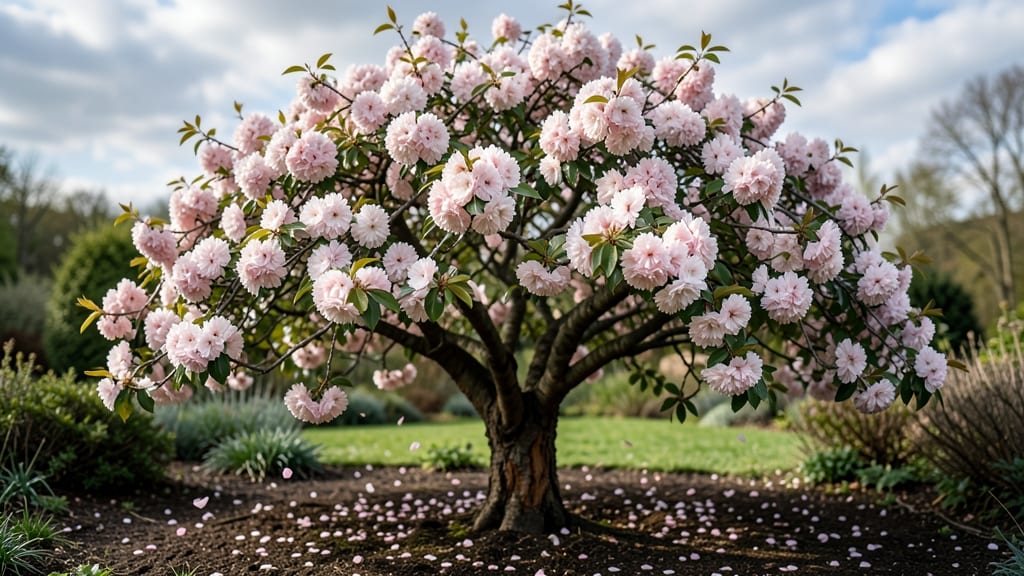
A flowering cherry tree’s lifespan spans decades of breathtaking blooms 🌸—but knowing how to care for it is the secret to maximizing those vibrant years.
If you’ve ever admired the breathtaking pink or white blossoms of a flowering cherry tree, you might wonder: How long will this stunning spectacle last? The answer isn’t just about years—it’s about understanding bloom cycles, maturity stages, and how to extend its life.
With the right care, these trees can thrive for 50 years or more, turning your yard into a springtime paradise.
Most flowering cherry trees reach full maturity between 10 and 20 years, but their lifespan depends on factors like pruning, soil health, and climate. In USDA Zone 6a, proper winter protection and seasonal maintenance can add decades to their bloom years.
The key? Learning when to prune, how to spot early signs of disease, and which varieties bloom the longest.
In this guide, I’ll break down everything you need to know—from how long cherry trees bloom annually to the most important care tips to keep them thriving for generations. Let’s make sure your flowering cherry tree lives up to its full potential!
Flowering cherry tree lifespan: bloom duration by variety and age
The average lifespan of a flowering cherry tree ranges from 20 to 50 years, but their bloom duration varies dramatically by variety and age.
Younger trees (under 10 years old) often produce fewer flowers, while mature specimens (over 20 years) can burst into 2-3 weeks of spectacular blooms. Understanding these patterns helps you choose the right variety for your landscape and manage expectations for seasonal displays.
Most flowering cherry trees reach their peak bloom intensity between ages 15 and 30. During this prime window, varieties like Prunus serrulata (Kwanzan cherry) can produce thousands of blossoms over 10-14 days, transforming your yard into a springtime wonderland.
However, late-winter bloomers like Prunus subhirtella (autumn cherry) may extend their show into early April, depending on your USDA hardiness zone.
Climate plays a critical role in bloom duration. In warmer zones (7-9), trees may bloom earlier and longer (up to 3 weeks), while colder climates (USDA zones 4-6) often limit blooms to 10-14 days due to late frosts.
Late frosts can severely damage delicate blossoms, cutting bloom duration short. Choosing frost-resistant varieties like Prunus avium (wild cherry) can mitigate this risk in marginal zones.
The age of your cherry tree directly impacts both bloom intensity and duration. Young trees (under 5 years) may produce only a few hundred flowers over 5-7 days, while mature trees (20+ years) can support 10,000+ blossoms for 2-3 weeks.
This dramatic increase occurs because older trees develop a larger canopy and more robust root systems, allowing them to allocate more energy to flower production.
For longer bloom durations, prioritize varieties like Prunus subhirtella, which often reblooms in late summer after its spring display. However, these reblooming varieties typically produce fewer flowers per bloom cycle.
If your goal is maximum spring impact, Prunus serrulata varieties like 'Kwanzan' deliver the most spectacular, prolonged displays, provided they receive 6+ hours of sunlight daily.
Climate zone considerations are non-negotiable when planning for bloom duration. In warmer southern climates (zones 8-9), cherry trees often bloom 1-2 weeks earlier than northern counterparts, but they may also struggle with heat stress mid-bloom.
Conversely, northern zones (4-6) risk late frost damage, which can reduce bloom duration by 30-50%. To protect your investment, plant windbreak barriers and choose early-blooming varieties in colder regions.
One common misconception is that all flowering cherry trees have the same lifespan. While most varieties live 20-50 years, some dwarf varieties (like *Prunus 'Shirofugen') may only reach 15-20 years due to their smaller stature. Meanwhile, standard
How to extend a flowering cherry tree’s lifespan and bloom years
A flowering cherry tree can live for 30-50 years—or even longer—with the right care. The key lies in proactive maintenance, from pruning techniques to soil health and disease prevention.
Unlike fruit-bearing cherries, ornamental varieties focus on prolonged bloom cycles, but their longevity depends on your attention to detail.
Many gardeners overlook seasonal care routines that directly impact a tree’s health. For example, winter protection in colder climates can prevent bacterial canker, a common killer of cherry trees. Meanwhile, proper placement—like shielding from harsh winds—can add decades to its bloom years by reducing stress.
⚠️ WARNING: Common Mistakes That Shorten Lifespan ⚠️
Start with pruning in late winter (before buds swell) to remove dead or crossing branches. Use sterilized tools to prevent bacterial spread. Thin the canopy by 20-30% to improve airflow, which reduces fungal infections like powdery mildew. Never prune during wet weather, as open wounds invite disease.
Soil health is equally critical. Test your soil’s pH—flowering cherries thrive in slightly acidic to neutral soil (6.0-7.0).
Amend with compost or aged manure to improve drainage and nutrient retention. Mulch annually with wood chips, keeping it 3-4 inches deep and 6 inches from the trunk to protect roots without smothering them.
Disease prevention requires vigilance. Bacterial canker (caused by Pseudomonas syringae) appears as oozing cankers on branches. Prune infected areas 6 inches below the lesion and sterilize tools with rubbing alcohol.
For powdery mildew, apply neem oil or sulfur sprays in early spring. Water at the base (avoid overhead spraying) to keep foliage dry.
Seasonal care routines make all the difference.
In spring, apply a balanced fertilizer (10-10-10) when buds swell. Summer watering should be deep but infrequent—1-2 inches per week—to encourage deep root growth. Fall prep includes removing fallen leaves (to reduce disease risk) and wrapping young trees in burlap for winter protection in zones colder than USDA Zone 6.
With these strategies, your flowering cherry tree can bloom vigorously for 50+ years. The secret? Consistency. Small, regular efforts—like annual pruning, soil testing, and disease monitoring—will keep your tree thriving and showcasing stunning blossoms for generations. 🌸