
Pruning
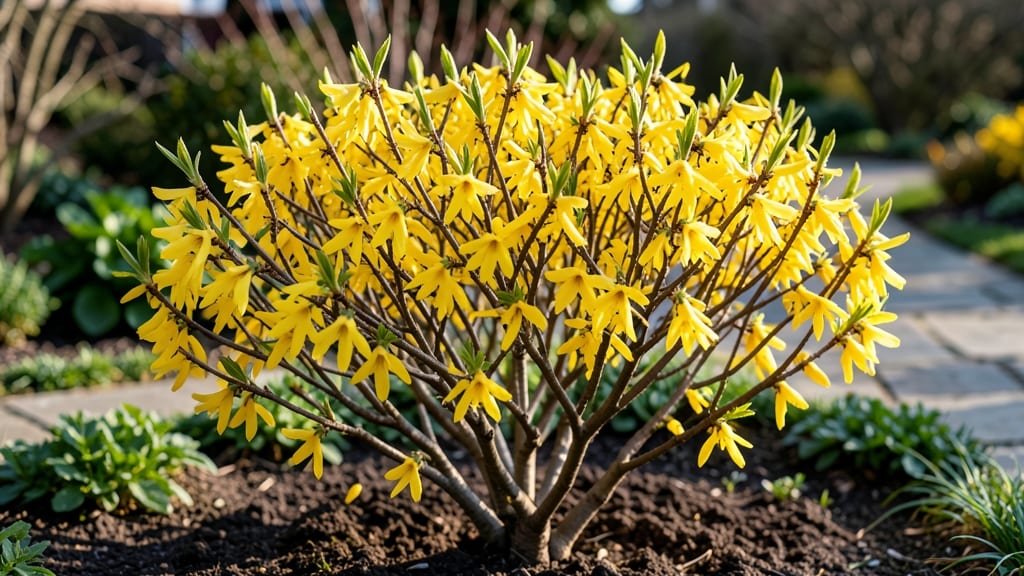
Transforming forsythia from wild shrub to stunning tree form starts with a single cut—and the right vision. 🌿 I’ve pruned mine into a graceful standard tree, a weeping cascade, and even a multi-trunk specimen, each with its own dramatic impact in the garden.
The secret isn’t just timing; it’s understanding how to guide its natural growth while preserving those golden blooms that announce spring.
Forsythia thrives in three main forms: the classic upright tree (with a single trunk and rounded canopy), the weeping form (for a soft, trailing effect), or the multi-stemmed shrub (for a fuller, bushier look). My favorite?
The standard tree form—it adds height and structure to borders while still showing off those vibrant yellow flowers. The key is pruning in late winter or early spring, right before new growth begins, when the plant is still dormant but ready to respond.
You’ll end up with a year-round architectural statement: bright blooms in spring, lush green foliage in summer, and striking bark texture in winter. The pruning itself takes just 20-30 minutes per tree, and the results last for seasons.
Whether you’re aiming for a formal garden edge or a cottage-style hedge, this technique adapts effortlessly. Here’s how to shape yours—without sacrificing a single bloom.
Works for both new plantings and established shrubs, and pairs beautifully with roses, hydrangeas, or evergreens. The only rule? Start small—your first pruning sets the foundation for years of neighborhood-jealousy levels of curb appeal. Let’s get those shears ready!
📚 In This Guide
- What you need
- Instructions
- Tips and common mistakes
- Wrapping up and next steps
What you need
- ● Pruning shears: Bypass pruners (sharp, 6–8" blades) for clean cuts on small stems.
- ● Loppers: 8–12" bypass loppers for thicker branches (up to 2" diameter).
- ○ Pruning saw: Curved-tooth saw for stubborn, woody stems (optional but helpful for mature trees).
- ● Rubbing alcohol (70%+) or bleach solution: 1 part bleach to 10 parts water (for sterilizing tools between cuts).
- ● Garden gloves: Heavy-duty, cut-resistant gloves (to protect hands from thorns and sap).
- ● Twine or zip ties: For temporary support if reshaping large branches.
- ○ Disposable pruning bags or bucket: To collect debris (optional but tidy!).
- ● Hand pruners with a crimping tool: For sealing larger cuts (reduces sap bleeding).
- ● Pruning sealant: For sealing cuts on older, thicker branches (if sap is excessive).
- ● Step stool or ladder: For reaching higher branches safely (extendable ladders work best).
- ● Marking spray or chalk: To outline cuts before pruning (great for complex shapes).
- ● Sharpener: A file or dedicated pruner sharpener (to maintain tool efficiency).
Step-by-Step pruning guide for year-round forsythia tree form
Here’s how I shape forsythias for lush blooms and clean structure—no guesswork, just proven techniques.
✂️ Step 1: Prune Immediately After Spring Blooming
Wait until 2-3 weeks after flowering, when the last yellow blossoms have faded. This timing ensures you don’t cut off next year’s flower buds, which form on old wood. I always mark the branch ends with colored tape after blooms peak to remind myself when to prune.
Start by removing any dead, diseased, or crossing branches first—they’ll compete with healthy growth. Use sharp bypass pruners to make clean cuts just outside the branch collar (the swollen area where the branch meets the trunk). Ragged cuts invite pests and rot, so take your time here.
🌿 Step 2: Thin Out Overcrowded Areas for Airflow
Forsythias bloom best with good airflow, so focus on selective thinning rather than heavy cutting. Remove 1 in 3 branches that are growing inward or rubbing against others. You’ll notice these as branches with sparse foliage or damaged bark from friction.
For multi-stemmed forsythias, prioritize removing the weakest stems at the base—these rarely produce strong blooms. Aim for an open center that lets sunlight reach all branches. If your forsythia has grown too wide, prune back the longest branches by 1/3 their length to encourage bushier growth.
☀️ Step 3: Shape for Seasonal Interest (Summer to Winter)
After the initial spring pruning, lightly trim any overgrown branches in late summer to maintain the shape you’ve established. I avoid heavy pruning then because it stimulates tender new growth that won’t harden off before winter. Instead, just tidy up straggly branches with hand pruners.
In late winter (before buds swell), do a final shape-up if needed. This is when you can see the natural form of the tree without foliage interference. Step back and look for areas where branches are too dense—these are prime candidates for 1/4-inch cuts to open up the canopy. Never remove more than 25% of the plant’s total growth in one season.
⏰ Step 4: Maintain Year-Round with Minimal Effort
Once your forsythia is shaped, just remove spent blooms in early spring and any water sprouts (suckers) that appear at the base. These fast-growing shoots drain energy from the main structure. I use a pair of hedge shears for quick clean-ups between seasons.
Fertilize lightly in early spring with a balanced 10-10-10 formula (just 1/4 cup per 100 sq ft) to support new growth. Over-fertilizing leads to weak stems and fewer blooms. Water deeply once a week during dry spells—forsythias hate soggy roots but tolerate drought once established.
🌱 Step 5: Renew Old Growth Every 5-7 Years
Mature forsythias eventually produce fewer blooms as branches age. When this happens, rejuvenate by cutting back 1/3 of the oldest stems to the ground in late winter. This drastic measure forces new growth from the base, which will bloom vigorously in 2-3 years.
I always prune the oldest stems first—these are the ones with the most dead wood and fewest flowers. After cutting, apply a 2-inch layer of mulch around the base (but not touching the trunk) to protect new shoots. You’ll see fresh green growth by early spring, signaling the tree’s rebirth.
Tips & tricks for perfect year-round forsythia tree form
These insider techniques will help you transform your forsythia into a thriving, blooming beauty that stays vibrant all year.
Timing is Everything: The 2-3 week window after blooms fade is non-negotiable for forsythias. I learned this the hard way—pruning too early cuts off next year's flower buds since they form on old wood. Mark branches with colored tape immediately after blooms peak to create a visual reminder for your late-spring pruning session. This simple habit has saved me from accidental pruning mistakes every year.
Precision Cutting Technique: When removing branches in Step 1, focus on making clean cuts just outside the branch collar using sharp bypass pruners. The branch collar is that swollen area where the branch meets the trunk—it's the tree's natural healing point. I've seen too many home gardeners make ragged cuts that invite pests and rot. Take your time here; a few extra minutes now prevent years of struggle with weak growth.
Seasonal Maintenance Strategy: The late winter shape-up (Step 3) is your chance to create that perfect open canopy. Step back and look at your tree from all angles—this perspective helps you spot overcrowded areas. Remember the 25% rule: never remove more than a quarter of the plant's total growth in one season. This preserves the tree's energy while still allowing sunlight to reach all branches for optimal blooming.
Renewal Secret: For mature forsythias showing signs of decline, the rejuvenation technique in Step 5 works wonders. Cutting back 1/3 of the oldest stems to the ground forces vigorous new growth from the base. I've seen trees that looked nearly dead produce spectacular blooms just 2-3 years after this drastic pruning. The key is patience—new shoots will appear by early spring, signaling the tree's rebirth.
Pro Tips for Forsythia Tree Form
- These insider techniques will help you transform your forsythia into a thriving, blooming beauty that stays vibrant all year.
- Timing is Everything: The 2-3 week window after blooms fade is non-negotiable for forsythias.
- Precision Cutting Technique: When removing branches in Step 1, focus on making clean cuts just outside the branch collar using sharp bypass pruners.
Frequently asked questions
Got questions about keeping your forsythia in tip-top shape? We’ve got answers! Here are some of the most common queries about forsythia tree form, pruning timing, and troubleshooting—so you can enjoy those cheerful yellow blooms year after year.
When is the best time to prune a forsythia for maximum blooms?
Prune your forsythia right after flowering (late spring to early summer). This ensures next year’s blooms form on new wood. Avoid heavy pruning in fall or winter, as forsythias bloom on last year’s growth—cutting too late can reduce spring flowers. Think of it like giving your tree a haircut after its big debut!
Can I shape a forsythia into a standard tree, or should I leave it natural?
Forsythias are highly adaptable to shaping. To create a standard tree, prune to a single trunk and remove lower branches, then thin out interior growth to encourage an open form. Just avoid over-pruning—forsythias respond well to light shaping but can get leggy if neglected. Pro tip: Use a rejuvenation cut every 3–5 years if your tree gets too wild!
Why isn’t my forsythia blooming this year, even after pruning?
Lack of blooms usually means one of three things:
- Over-pruning (cutting back too late in the season or removing too many stems).
- Age—older forsythias may need a rejuvenation prune (cutting ⅓ of the oldest stems to the ground).
- Poor growing conditions (shade, compacted soil, or drought stress).
Are there dwarf or compact forsythia varieties that don’t need heavy pruning?
Yes! If you want low-maintenance blooms, consider these compact forsythia varieties:
- Forsythia ‘Little Gold’ (3–4 ft tall, great for borders).
- Forsythia ‘Spring Glory’ (4–5 ft, upright and tidy).
- Forsythia ‘Dwarf Forsythia’ (2–3 ft, perfect for containers).
How do I revive an overgrown or leggy forsythia?
Don’t panic! If your forsythia has long, bare stems, it’s time for a rejuvenation prune. In late winter or early spring:
- Cut back one-third of the oldest, thickest stems to the ground.
- Thin out crossing or weak branches to improve airflow.
- Fertilize lightly in spring to encourage new growth.
Wrapping up and next steps
Mastering the forsythia tree form is all about balance—pruning for structure and stunning blooms while keeping your plant healthy and vibrant. With the right tools, timing, and techniques, you’ll transform your forsythia into a year-round showstopper that brightens every season. 🌸
Ready to take action? Start by observing your tree’s growth this spring—then grab those pruners and get shaping! Whether you’re trimming for a classic arch or a modern silhouette, your forsythia will thank you with even more cheerful blooms next year. Happy pruning!