
Pruning
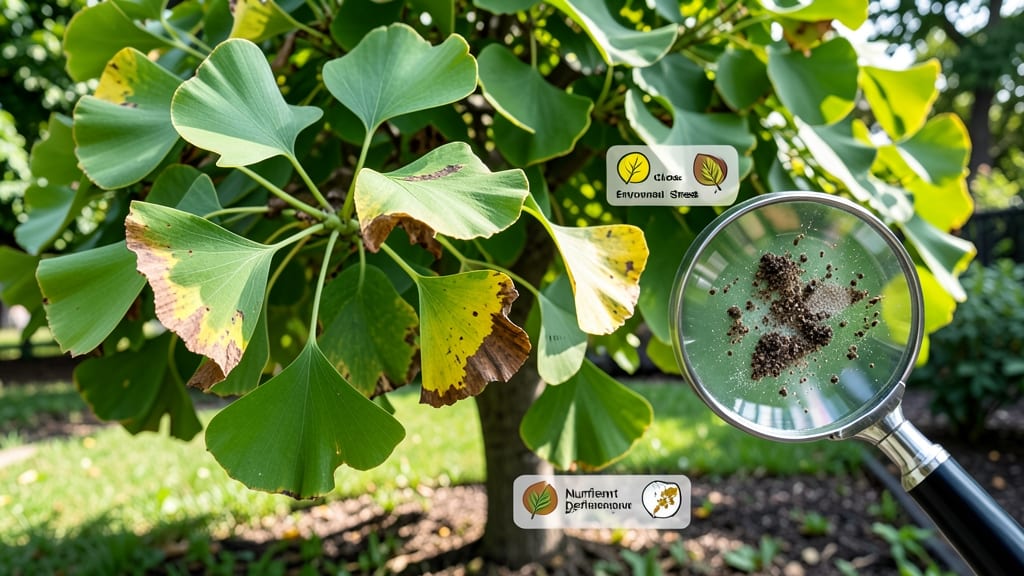
Your ginkgo tree’s leaves shouldn’t look like this—yellowing, browning, or dropping too soon is a red flag. 🌿 I’ve seen ginkgos go from majestic to miserable in just a few weeks, but the good news is most leaf problems have quick fixes if you catch them early.
The culprits? Often it’s drought stress or nutrient deficiencies (think iron or manganese), but pests like ginkgo psyllids or fungal diseases (hello, anthracnose) can wreak havoc too. The key is spotting the pattern: are leaves yellowing between veins? Crusty with black spots?
Or just wilting like they’ve been forgotten? Each symptom points to a different solution. By the end of this, you’ll know exactly what’s wrong and how to turn those sad leaves into vibrant green again—no guesswork.
We’ll tackle organic sprays, soil fixes, and even when to call in the pros for stubborn cases. Works for both young trees and mature giants. Let’s get your ginkgo back to its glory days—fast.
Root Causes Of Leaf Struggles
Ginkgo trees (Ginkgo biloba) are ancient, resilient plants—but even they can show signs of distress through leaf discoloration, wilting, or premature drop. Understanding the why behind these symptoms is the first step to restoring your tree’s health.
Below, we break down the most common culprits, from environmental stressors to hidden pests, with clear science-backed explanations.
Ginkgos are tough, but extreme conditions can push them past their limits. Here’s how temperature, moisture, and light play a role:
- Heat & Drought Stress Ginkgo leaves are adapted to temperate climates, and prolonged heatwaves (especially above 90°F/32°C) cause chlorosis (yellowing) or necrosis (brown, crispy edges).
The tree’s roots struggle to pull up enough water, leading to wilting or premature leaf drop. - Why it happens: High temperatures increase transpiration rates, while dry soil reduces water uptake.
The tree prioritizes root survival over leaf function, shedding foliage to conserve energy. - Actionable clue: Check soil moisture 2–3 inches deep—if it’s bone-dry, your ginkgo is thirsty.
- Cold Damage & Frost Young ginkgo leaves are particularly vulnerable to late spring frosts (below 28°F/-2°C), which cause brown, curled, or blackened edges.
Mature trees can handle colder temps, but winter desiccation (dry winds + frost) can also stress them. - Why it happens: Ice crystals form in leaf cells, rupturing membranes and disrupting nutrient flow.
Evergreen ginkgo leaves (yes, they’re technically evergreen!) may lose moisture faster in winter winds. - Actionable clue: Look for damage on new growth in spring—if leaves emerge crunchy or discolored, frost was likely the culprit.
- Poor Drainage or Waterlogging Ginkgos hate soggy roots. Compacted or clay-heavy soil traps excess moisture, cutting off oxygen to roots (anoxia), which triggers yellowing leaves and leaf scorch. - Why it happens: Roots rely on aeration for respiration.
Waterlogged conditions force them to switch to anaerobic metabolism, producing toxic ethanol and stunting nutrient uptake. - Actionable clue: If the soil smells like rot or feels muddy when squeezed, drainage is the issue.
Ginkgos are relatively disease-resistant, but a few pathogens can still cause leaf problems. Spot these red flags:
- Anthracnose (Colletotrichum ginkgo) This fungal disease thrives in wet, humid conditions and causes dark, sunken spots on leaves, often with yellow halos.
Severe cases lead to premature defoliation. - Why it happens: Spores splash onto leaves from soil or infected debris, germinating when humidity stays above 75% for 48+ hours.
The fungus clogs stomata (leaf pores), blocking gas exchange. - Actionable clue: Check undersides of leaves for fuzzy gray mold—this is a sure sign.
- Bacterial Leaf Spot (Xanthomonas campestris pv. ginkgo) Tiny, water-soaked spots that turn yellow or brown with a greasy texture are this bacteria’s calling card.
Unlike fungal spots, bacterial infections often have irregular, ragged edges. - Why it happens: Bacteria enter through wounds or rain splatter, multiplying in leaf tissues. They produce toxins that disrupt chlorophyll production. - Actionable clue: Squeeze a suspect leaf—if a yellowish ooze leaks out, it’s bacterial.
- Root & Stem Rot (Phytophthora, Pythium) Waterlogged soil invites these soil-borne pathogens, which attack roots and lower stems. Symptoms include yellowing leaves, stunted growth, and wilting—even with moist soil. - Why it happens: The fungus blocks xylem vessels (the tree’s water highways), causing hydraulic failure.
Leaves wilt because water can’t reach them, even if roots are in wet soil. - Actionable clue: Gently scrape bark near the base—dark, mushy tissue or oozing sap confirms rot.
While ginkgos aren’t a pest magnet, a few insects can wreak havoc on leaves. Here’s how to ID them:
- Ginkgo Psyllid (Ginkgoola urticata) These tiny, jumping insects (1/16" long) suck sap from leaves, causing yellow stippling, curled edges, and honeydew buildup (sticky residue).
Heavy infestations lead to premature leaf drop. - Why it happens: Psyllids inject saliva into leaves, disrupting photosynthesis and triggering abscisic acid (a plant stress hormone) that signals leaves to fall. - Actionable clue: Shake a branch over white paper—tiny black dots (frass) or nymphs confirm the pest.
- Japanese Beetles Adult beetles skeletonize ginkgo leaves (eating between veins), leaving a lacy, white pattern.
Larvae (grubs) chew roots, causing wilting and stunted growth. - Why it happens: Beetles target soft new growth, and their feeding triggers oxidative stress in leaves, accelerating yellowing. - Actionable clue: Look for metallic green/blue beetles on leaves during late summer.
- Spider Mites These microscopic arachnids thrive in dry, hot conditions and spin fine webs on leaves.
Infested leaves develop bronzing, stippling, or silver speckling. - Why it happens: Mites pierce cells to suck sap, injecting toxins that cause chlorophyll breakdown and premature aging of leaves. - Actionable clue: Hold a leaf up to light—tiny moving dots or fine webbing mean mites are feeding.
Ginkgos are forgiving, but soil imbalances can lead to telltale leaf symptoms:
| Symptom | Likely Deficiency | Why It Happens | Quick Fix |
|---|---|---|---|
| Yellow between veins | Iron (Fe) | Poor soil aeration or high pH (>7.0) locks out iron, a chlorophyll-building nutrient. | Apply chelated iron or sulfur to lower pH. |
| Purple/red undersides | Phosphorus (P) | Needed for energy transfer; deficiency often occurs in compacted or sandy soils. | Use bone meal or rock phosphate. |
| Yellow edges + weak growth | Nitrogen (N) | Essential for leaf protein; leaches quickly in sandy or rainy soils. | Top-dress with compost or blood meal. |
| Small, pale leaves | Magnesium (Mg) | Critical for chlorophyll; often depleted in acidic soils or after heavy rain. | Apply Epsom salt (magnesium sulfate). |
Pro Tip: 💡 Conduct a soil test before guessing—many deficiencies mimic each other! A simple kit (or lab test) reveals exact nutrient levels.
Quick Fixes for Ginkgo Tree Leaf Woes
Ginkgo trees are tough survivors, but even they need a little TLC when their leaves start acting up. Whether your tree is battling yellowing, wilting, or mysterious spots, these practical, step-by-step solutions will help you diagnose and treat the issue—fast.
Below, we’ve mapped the most common problems to their fixes, plus prevention tips to keep your ginkgo thriving.
If your ginkgo’s leaves are turning yellow (especially on older branches), it’s usually a sign of iron deficiency, overwatering, or poor drainage.
🔥 Fix It: Adjust Water & Feed Smart
- Check the Soil 🌱 - Stick your finger 2–3 inches deep into the soil. If it’s soggy, your tree is overwatered.
If it’s bone-dry, you’re underwatering. - Pro Tip: Ginkgos hate "wet feet." Ensure the planting site has well-draining soil—amend clay soil with compost or sand if needed.
- Water Deeply, Less Often 💦
- Water only when the top 2 inches of soil are dry (about once a week in summer, less in winter).
- Avoid shallow watering—soak the root zone (12–18 inches deep) to encourage deep roots.
- Fertilize for Iron 💪
- Yellowing between veins? It’s likely iron chlorosis. Use an iron chelate fertilizer (like Ironite) in early spring.
- Bonus: A mulch ring (2–3 inches of wood chips) around the base helps retain moisture and nutrients.
- Test Your pH 📊
- Ginkgos prefer slightly acidic to neutral soil (pH 6.5–7.5). If your soil is too alkaline (common in clay), add sulfur or peat moss to lower pH.
Wilting can mean underwatering, root rot, or sap-sucking pests like spider mites or scale insects.
🍳 Treat the Root of the Problem
- Inspect for Pests 🔍
- Flip over leaves—tiny webs (spider mites) or sticky residue (aphids/scale) mean pests are to blame.
- Blast them off with a strong spray of water or use neem oil (mix 1 tbsp neem oil + 1 tsp mild soap in 1 quart water).
- Revive Underwatered Roots 💧
- If the soil is dry, water deeply and add hydrating mulch (like coconut coir).
- Warning: If the roots smell rotten, you’ve got root rot. Trim affected roots and repot (if in a container) or improve drainage.
- Prune for Airflow 🌬️
- Overcrowded branches trap moisture, inviting fungus. Thin out dense areas with clean, sharp pruners (sterilize with rubbing alcohol).
Black spots, powdery mildew, or leaf scorch? Fungi love ginkgo trees—especially in humid, shady conditions.
👨🍳 Fungal Cleanup in 3 Steps
- Remove Infected Leaves 🗑️
- Rake up all fallen leaves and dispose of them (don’t compost—fungi spread easily).
- Apply Fungicide 🛡️
- Spray with copper fungicide (like Bonide Copper Fungicide) every 7–10 days until new growth appears.
- Organic Option: Mix 1 tbsp baking soda + 1 tsp oil + 1 gallon water for a DIY spray.
- Improve Air Circulation 🌬️
- Prune crossing branches and avoid planting ginkgos too close to structures.
- Prevention: Space trees 15–20 feet apart and plant in full sun (6+ hours/day).
- 💡 Mulch Right: Keep mulch 2–3 inches deep but 6 inches away from the trunk to prevent rot. - 🌡️ Watch the Weather: Ginkgos tolerate drought but hate soggy winters.
Improve drainage before rain season. - ✨ Prune Strategically: Trim in late winter/early spring to avoid stressing the tree during growth spurts. - 🎯 Monitor Year-Round: Check leaves monthly for early signs of pests or disease.
Remember: Ginkgo trees are resilient—most issues are fixable with quick action. Start with the soil, water, and pests, and your tree will bounce back in no time! 🌿💚
Frequently asked questions
Why are my ginkgo tree leaves turning yellow between the veins?
This is classic iron chlorosis, often caused by alkaline soil or poor drainage. Ginkgos need iron for chlorophyll production, and when soil pH is too high (above 7.0), the tree can't absorb it. Test your soil and apply chelated iron or sulfur to lower pH if needed. Mulch with compost to improve nutrient availability too.
What should I do if my ginkgo leaves have black spots with yellow halos?
This is likely anthracnose fungus, which thrives in wet conditions. Remove all infected leaves immediately and apply copper fungicide every 7-10 days until new growth appears. Improve airflow by pruning dense branches and avoid overhead watering. For organic control, try a baking soda spray (1 tbsp baking soda + 1 tsp oil per gallon of water).
Are ginkgo psyllids harmful to my tree?
Yes, these tiny jumping insects can cause serious damage. They suck sap from leaves, creating yellow stippling and curled edges, while their honeydew attracts sooty mold. Control them by spraying with neem oil (1 tbsp per quart of water) or insecticidal soap. For severe infestations, repeat treatments every 5-7 days until they're gone. Shake branches over white paper to check for their presence.
Can I save my ginkgo if the leaves are wilting despite regular watering?
Wilting with regular watering often signals root rot or pest infestation. First, check for soggy soil—ginkgos hate "wet feet." If roots smell rotten, trim affected areas and improve drainage with compost or sand. For pests, inspect leaves for webs (spider mites) or sticky residue (scale). A strong water spray or neem oil treatment can help. If rot is severe, you may need to repot the tree or consult an arborist.
How often should I fertilize my ginkgo tree to prevent leaf problems?
Ginkgos are light feeders—over-fertilizing causes more harm than good. Apply a balanced fertilizer (10-10-10) just once in early spring, followed by a mulch top-dressing of compost. For iron chlorosis, use chelated iron in late winter. Avoid fertilizing in summer or fall, as this encourages tender new growth that's vulnerable to frost damage.