
Trees
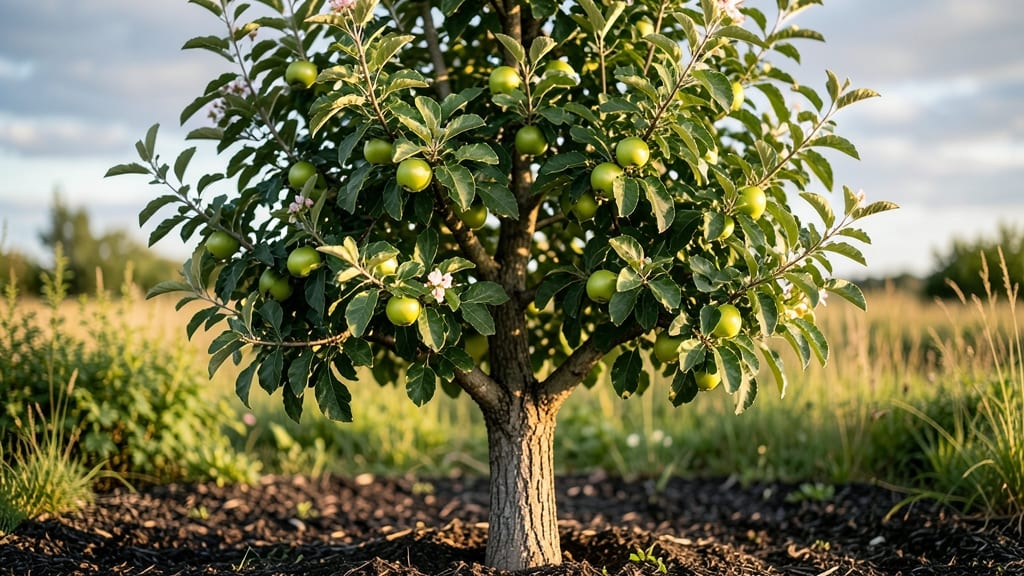
Granny Smith apple tree leaves turn yellow or spotty when pests or disease strike—but there’s a way to fight back before your harvest suffers. 🌿 I’ve seen firsthand how a few simple steps can transform a struggling canopy into a thick, vibrant shield that protects both leaves and fruit.
The key? Catching problems early, whether it’s aphids, fungal spots, or nutrient gaps.
Start by inspecting leaves for telltale signs: curled edges, sticky residue, or dark spots. Most issues pop up in spring or early summer, so a quick weekly check keeps them from spreading. Prune infected branches immediately, and treat with neem oil or horticultural soap for organic control.
For stubborn fungal infections, a copper-based spray (applied in dry weather) works like a charm—just avoid spraying when fruit is ripe.
📚 In This Guide
- What you need
- Instructions
- Tips and common mistakes
- Wrapping up and next steps
What you need
- ● Granny Smith apple tree leaves (fresh or dried—~1 cup per gallon of water for tea spray)
- ● Organic neem oil (1 tbsp per quart of water—pesticidal & fungicidal)
- ● Casting soap (1 tsp per quart of water—helps emulsify neem oil)
- ● Spray bottle or garden sprayer (1–2 gallon capacity for coverage)
- ● Pruning shears (sterilized—sharp, bypass-style for clean cuts)
- ● Compost or mulch (2–3 inches to retain moisture and deter pests)
- ● Gloves (nitrile or leather—pest-resistant)
- ● Garden hose with nozzle (for rinsing leaves post-treatment)
- ○ Beneficial nematodes (optional—targets soil pests like grubs)
- ○ Reflective mulch (optional—confuses pests with light reflections)
- ○ pH test kit (optional—ensure soil pH is 6.0–7.0 for Granny Smiths)
How to cultivate healthy Granny Smith apple tree leaves for pest resistance
Strong leaves are the foundation of a thriving Granny Smith tree—here’s how to nurture them into a natural pest barrier.
🌱 Step 1: Start with Proper Pruning for Airflow
Begin in late winter or early spring by removing dead, diseased, or crossing branches—these block sunlight and invite pests. Use clean, sharp pruners to make cuts just outside the branch collar. I always prune on a dry day to prevent fungal spread, and I never leave stubs longer than ¼ inch. This ensures new growth emerges strong and healthy.
Focus on thinning the canopy so light reaches the inner leaves. Granny Smith trees need 6-8 hours of direct sun daily for optimal leaf development. You’ll see the difference in just a few weeks—leaves will turn a vibrant, deep green instead of pale or yellowed. This sunlight exposure boosts natural pest resistance by encouraging thicker leaf cuticles.
💧 Step 2: Water Deeply at the Root Zone
Water your Granny Smith tree once a week during dry spells, delivering 1-1.5 gallons per inch of trunk diameter. For a mature tree, that’s often 10-15 gallons total. The key is deep watering—soak the soil until it’s 6 inches down, then let the top inch dry before watering again. This prevents shallow root systems that stress leaves and attract pests like aphids.
I always water in the early morning to reduce evaporation and fungal risks. You’ll know you’ve done it right when the soil feels moist 6 inches down—stick your finger in to check. Overwatering causes yellow leaves, while underwatering leads to crispy, brittle foliage. Both conditions weaken the tree’s natural defenses.
☀️ Step 3: Apply Organic Fertilizer for Leaf Strength
In early spring, feed your tree with a balanced organic fertilizer (like 10-10-10 or composted manure) spread 6 inches away from the trunk. Work it into the top 4-6 inches of soil to encourage root growth. Granny Smith trees respond well to fish emulsion or seaweed extract for extra nutrients. I apply this every 6-8 weeks during the growing season to maintain leaf vigor.
Look for new leaf growth within 2-3 weeks after fertilizing—this is your signal it’s working. Healthy leaves develop thicker wax coatings, which naturally repel pests like mites and scales. If you notice leaves curling or wilting, cut back on fertilizer—too much nitrogen burns roots and weakens foliage.
✂️ Step 4: Monitor and Treat Early Pest Signs
Inspect leaves weekly for early signs of pests—look for tiny webs, sticky residue (aphid honeydew), or chewed edges. I use a strong stream of water to dislodge soft-bodied insects like aphids, then follow up with neem oil spray (mixed per label instructions) for prevention. For harder pests like spider mites, I apply insecticidal soap directly to affected areas.
Granny Smith trees are naturally resistant to many pests, but stressed leaves attract trouble. If you see yellowing between veins, it’s often a sign of mites. Act fast—once pests take hold, they multiply quickly. Prune and destroy heavily infested leaves immediately to stop the spread. Healthy leaves develop stronger essential oils, which deter pests naturally over time.
🌿 Step 5: Mulch to Protect Leaf Health Year-Round
Spread 3-4 inches of organic mulch (like wood chips or straw) around the base of the tree, keeping it 6 inches away from the trunk. This conserves moisture, regulates soil temperature, and prevents weeds that compete for nutrients. I always replenish mulch annually—it breaks down over time and loses effectiveness.
Mulch also reduces soil-borne diseases that can stress leaves. You’ll notice fewer brown, crinkled leaves in summer if the roots stay cool and hydrated. For extra protection, top-dress with a thin layer of compost in spring—this adds micronutrients that support leaf development.
Tips & tricks for strong Granny Smith apple tree leaves
Here's what nobody tells you about building that impenetrable leaf shield—these are the details that make all the difference.
Pruning Precision: When you're thinning the canopy in Step 1, aim to remove branches that are growing inward or rubbing against others. These are the real sunlight thieves that create dark, damp pockets where pests love to hide. I always make my cuts at a slight angle just outside the branch collar—this prevents water from pooling and causing rot. The goal is to create an open structure where air circulates freely, which is your first line of defense against fungal issues and insect infestations.
Sunlight Strategy: The 6-8 hours of direct sun mentioned in Step 1 isn't just about leaf color—it's about building that natural pest resistance. Granny Smith trees develop thicker wax coatings on leaves when they get plenty of sunlight, and that wax is what repels many common pests. If your tree isn't getting enough light, you'll notice leaves staying pale and thin, which makes them more susceptible to damage. Consider strategic placement if your tree is in a shaded area—even moving it slightly can make a huge difference in leaf development.
Watering Wisdom: That once-a-week watering guideline in Step 2 works perfectly in most climates, but I've learned the hard way that timing matters just as much as quantity. The early morning watering isn't just about reducing evaporation—it gives the leaves plenty of time to dry completely before nightfall. Wet leaves overnight create the perfect environment for fungal spores to take hold. You'll know your watering is on point when you see the soil 6 inches down staying consistently moist but not soggy, and when new leaves emerge with that characteristic crisp texture rather than looking limp.
Fertilizer Timing: The 6-8 week interval for organic fertilizer in Step 3 is perfect, but here's the secret: split that application into two parts. Apply half when you first see new growth in spring, then the second half about 3 weeks later. This staggered approach prevents nutrient overload while still giving your tree a steady supply. I've found that Granny Smith trees respond particularly well to fish emulsion—it contains natural compounds that actually help strengthen cell walls, making leaves more resistant to chewing insects. Just be sure to water thoroughly after applying to prevent root burn.
Pro Tips for Granny Smith Apple Tree Leaves
- Here's what nobody tells you about building that impenetrable leaf shield—these are the details that make all the difference.
- Pruning Precision: When you're thinning the canopy in Step 1, aim to remove branches that are growing inward or rubbing against others.
- Sunlight Strategy: The 6-8 hours of direct sun mentioned in Step 1 isn't just about leaf color—it's about building that natural pest resistance.
Frequently asked questions
Why are my Granny Smith apple tree leaves turning yellow or brown?
Yellow or brown leaves often signal overwatering, underwatering, or nutrient deficiencies (like nitrogen or potassium). Check the soil moisture—it should feel damp but not soggy. Pro tip: Spread a 2-3 inch layer of mulch around the base (but avoid the trunk) to retain moisture and regulate temperature. If the issue persists, test your soil’s pH and adjust fertilizers accordingly.
Are Granny Smith apple tree leaves naturally pest-resistant?
While Granny Smith trees are more resistant to pests like aphids and mites than other apple varieties, they’re not immune! Watch for curled leaves (sign of spider mites) or sticky residue (aphids). Spray leaves with neem oil or introduce beneficial insects like ladybugs. Prevention tip: Prune regularly to improve airflow and reduce hiding spots for pests.
When is the best time to prune Granny Smith apple tree leaves/branches?
Prune during late winter or early spring (before buds swell) to remove dead/diseased branches and shape the tree. Avoid heavy pruning in fall—it invites fungal infections. Quick guide: Use sharp shears to cut at a 45-degree angle just above a bud or branch collar. Never prune more than 25% of the canopy in one season.
Can I use Granny Smith apple tree leaves for compost or mulch?
Healthy leaves make nutrient-rich compost or mulch. Chop them into smaller pieces first to speed decomposition. Bonus: Spread fresh leaves around the base to deter weeds and retain soil moisture. Avoid using diseased leaves—compost them separately or dispose of them.
How do I encourage thicker, healthier leaves on my Granny Smith tree?
Thicker leaves thrive with balanced care: Full sun (6+ hours/day), well-draining soil, and regular feeding (use a 10-10-10 fertilizer in spring). Extra tip: Water deeply 1-2 times per week (more in extreme heat) and avoid wetting leaves to prevent fungal issues like apple scab.
| Quick Troubleshooting Table | ||
|---|---|---|
| Problem | Likely Cause | Fix It! |
| Small, pale leaves | Nitrogen deficiency | Apply a nitrogen-rich fertilizer (e.g., blood meal) in early spring. |
| Holes in leaves | Caterpillars or slugs | Handpick pests or use organic sprays like Bacillus thuringiensis. |
| Curling leaves | Spider mites or aphids | Spray with soapy water or neem oil; introduce predator insects. |
Wrapping up and next steps
Caring for your Granny Smith apple tree’s leaves isn’t just about aesthetics—it’s your first line of defense against pests and diseases while fueling that lush, productive canopy you dream of. 🌿 From pruning to organic sprays, every step strengthens your tree’s resilience, ensuring sweeter harvests for years to come.
Now that you’re armed with the know-how, roll up your sleeves and give your tree the love it deserves!
Ready to take it further? Monitor your tree weekly and adjust care as seasons change—your future Granny Smith apples will thank you! 🍏✨