
Propagation
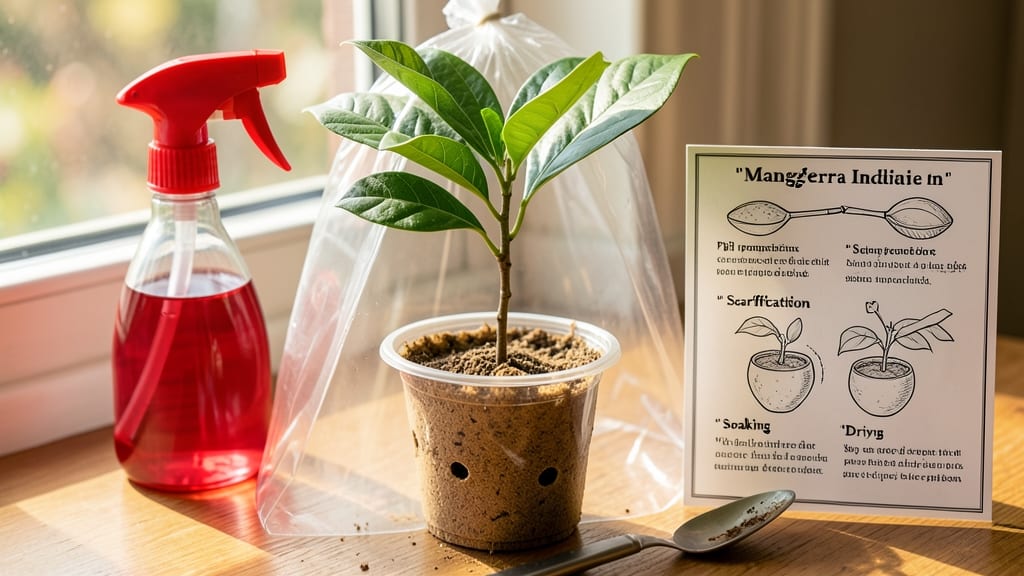
Growing a mango tree from a pit is one of those gardening adventures that turns your kitchen counter into a tropical nursery. 🌱 I still remember the first time I watched a tiny pit sprout after months of waiting—it felt like holding a piece of summer in my hands.
The process is slow, but the reward of homegrown mangoes makes every step worthwhile, even if fruiting takes years.
You'll need just a few simple supplies: a fresh, organic mango pit (no dried or store-bought ones), a small pot, well-draining soil mix, and patience—this isn't a quick project.
The key is keeping the soil consistently moist but never soggy during the germination phase, which can take anywhere from 2-6 weeks. Most people rush this step and end up with mold instead of roots.
Once your seedling emerges, you'll watch it grow into a sturdy sapling over the next year or two. With proper care—full sun, regular watering, and occasional fertilizer—it'll eventually produce those signature mango blossoms.
The first fruits might take 3-5 years, but each stage is a mini-celebration of nature's slow magic.
This method works best in warm climates, but even in cooler zones, you can try growing it in containers and overwintering indoors. The real joy isn't just in the fruit, but in the journey of watching something so exotic grow from something as humble as a seed.
📚 In This Guide
- What you need
- Instructions
- Tips and common mistakes
- Wrapping up and next steps
What you need
- ● 1 fresh mango pit – Choose a ripe, organic mango (avoid store-bought if treated with fungicides).
- ● 1 small pot (4–6 inches wide) – Use a container with drainage holes (plastic or terracotta).
- ● Well-draining potting mix – A blend of peat moss, perlite, and sand (or coconut coir for sustainability). Avoid heavy garden soil.
- ● Watering can or spray bottle – For gentle hydration (overwatering is the enemy!).
- ● Plastic wrap or humidity dome – Keeps moisture locked in while the pit germinates.
- ● Pencil or toothpick – To poke tiny drainage holes in the pit (if needed).
- ○ Rooting hormone – Speeds up germination (optional but handy for impatient growers!).
- ● Grow lights or sunny windowsill – If natural light is limited (mangoes love warmth!).
- ● Fertilizer (low-nitrogen, balanced) – Once your sapling is 6+ inches tall (e.g., 5-5-5 NPK ratio).
- ● Larger pot (12+ inches) – For transplanting when roots outgrow the starter pot.
- ● Mulch or bark chips – Protects roots in outdoor planting (for future stages).
Step-by-step instructions for growing a mango tree from a pit
Here's how I turn a grocery store pit into a thriving tree—with patience and the right care.
🌱 Step 1: Prepare and Plant the Pit
Start by washing the pit thoroughly to remove any fruit residue, then let it dry completely. This prevents mold and rot, which can kill your seedling before it even sprouts. I like to gently scrape off any remaining flesh with a knife, being careful not to damage the seed inside.
Place the pit between two damp paper towels in a shallow container, then fold the towels over it. Store in a warm, dark spot like a cabinet or under the sink—mango seeds need consistent warmth to germinate. Check daily and mist the towels if they dry out. You'll see a tiny root emerge in about 2-4 weeks, followed by a sprout.
☀️ Step 2: Transplant into Soil
Once the sprout reaches 2-3 inches tall and the root system is visible, it's time to move it to soil. Use a small pot with drainage holes and fill it with a mix of 50% potting soil and 50% perlite or sand—this ensures good drainage while keeping moisture. Plant the seedling about 1 inch deep, covering the roots but leaving the top of the seed exposed.
Water gently until the soil is moist but not soggy, then place the pot in bright, indirect light. Avoid direct sun at this stage—it can stress the young plant. I keep mine near an east-facing window where it gets morning light but stays protected from harsh afternoon rays.
💧 Step 3: Care for the Seedling
Keep the soil consistently moist but never waterlogged—mango seedlings are sensitive to root rot. I water when the top inch of soil feels dry to the touch, usually every 3-5 days, depending on your climate. Once the seedling reaches 6 inches tall, you can gradually introduce it to more sunlight, starting with 2-3 hours of direct morning sun daily.
Fertilize lightly every 4-6 weeks with a balanced, water-soluble fertilizer diluted to half strength. Over-fertilizing can burn the delicate roots, so less is always better at this stage. Watch for new leaves—they’re your sign that the plant is thriving.
🪴 Step 4: Transition to a Larger Pot
When the seedling outgrows its first pot—usually after 6-12 months—it’s time to repot. Choose a container that’s 2-3 inches larger in diameter and fill it with a well-draining mix of 60% potting soil and 40% perlite or coarse sand. Gently remove the seedling from its old pot, loosen the roots, and place it in the new container, covering them with soil.
Water thoroughly after repotting to help the roots settle. Place the pot in a spot with 6+ hours of sunlight daily, gradually increasing exposure as the plant grows stronger. If you’re in a cooler climate, bring it indoors during winter to protect it from frost.
⏰ Step 5: Long-Term Growth and Fruit Promise
Mango trees grown from pits are slow to bear fruit—it can take 5-10 years—but the journey is worth it. Prune any dead or yellowing leaves to encourage healthy growth, and continue fertilizing every 2-3 months during the growing season. If you want to speed up fruiting, you can graft a mango variety onto your seedling once it’s established, but that’s an advanced step.
Be patient and consistent with care, and you’ll eventually be rewarded with tropical fruit right in your own backyard. The first time I saw a tiny mango bloom on my seedling, I knew all the effort was worth it!
Tips & tricks for growing a thriving mango tree from a pit
Here's what I wish I knew when starting my first mango tree—these tricks will help you avoid common pitfalls and give your seedling the best possible start.
Germination Conditions: The warm, dark spot for germination is critical—think of it like creating a mini tropical environment. I place my container near my oven (after turning it off) or on top of my fridge, both of which naturally generate warmth. Avoid refrigerators or air-conditioned rooms, as mango seeds need consistent temperatures around 75-85°F to sprout successfully.
Soil Mix Matters: That 50-50 mix of potting soil and perlite/sand is non-negotiable for young seedlings. I've tried regular garden soil, and it compacts too much, leading to root rot. The perlite creates air pockets that prevent soggy roots while still retaining enough moisture. For the first transplant, I use a small pot (4-6 inches wide) with drainage holes—this prevents water from pooling at the bottom.
Light Transition Strategy: When moving your seedling to sunlight in Step 3, don't rush it. Start with just 2-3 hours of morning sun daily and watch for color changes—healthy leaves stay deep green, while yellowing indicates too much sun. I gradually increase exposure over 1-2 weeks until the plant can handle full sun. This slow transition prevents sunburn on delicate young leaves.
Pro Tips for Growing A Mango Tree From A Pit
- Here's what I wish I knew when starting my first mango tree—these tricks will help you avoid common pitfalls and give your seedling the best possible start.
- Germination Conditions: The warm, dark spot for germination is critical—think of it like creating a mini tropical environment.
- Soil Mix Matters: That 50-50 mix of potting soil and perlite/sand is non-negotiable for young seedlings.
Frequently asked questions
Got questions about growing a mango tree from a pit? You’re not alone! Here are some of the most common concerns—and their straightforward answers—to help you succeed.
How long does it take for a mango pit to sprout?
A mango pit typically sprouts within 2–4 weeks if kept in warm, moist conditions. Patience is key—some pits take longer, especially if stored in the fridge before planting. Once sprouted, the seedling grows slowly at first, so don’t rush it!
When is the best time to plant a mango pit?
The ideal time is spring or early summer, when temperatures are warm (above 60°F/15°C) and frost isn’t a risk. If you’re in a tropical climate, you can plant year-round. Avoid winter—mango seeds need heat to germinate!
Will my homegrown mango tree produce fruit?
Most likely, no—unless you’re lucky! Mango trees grown from pits are usually seedlings, meaning they may take 5–10+ years to bear fruit (if ever). For faster results, consider grafting a fruiting variety onto your seedling.
What do I do if my mango pit rots or molds?
If your pit develops black mold or a foul smell, it’s likely rotting from overwatering or poor drainage. Remove it immediately and try again with a fresh, dry pit. To prevent this, ensure the pit stays moist but not soggy and use well-draining soil.
Can I grow a mango tree indoors?
Yes, but with limitations! Mango trees thrive outdoors in warm climates. Indoors, they’ll grow slowly and may never fruit. If you try it, place the seedling near a sunny window or under grow lights. Expect it to stay small (under 3 feet) unless you move it outside eventually.
Wrapping up and next steps
Growing a mango tree from a pit is a rewarding journey that brings a taste of the tropics to your own backyard! 🌱 With patience, care, and the right techniques, you’ll soon enjoy the sweet satisfaction of nurturing a tree that could one day bear delicious fruit.
The best next step? Start with a fresh pit, follow the steps, and watch your little sapling grow—because every gardener’s dream begins with a single seed!
Pro tip: 💡 Keep a growth journal to track milestones—your future mango harvest will make it all worthwhile!