
Pests and Diseases
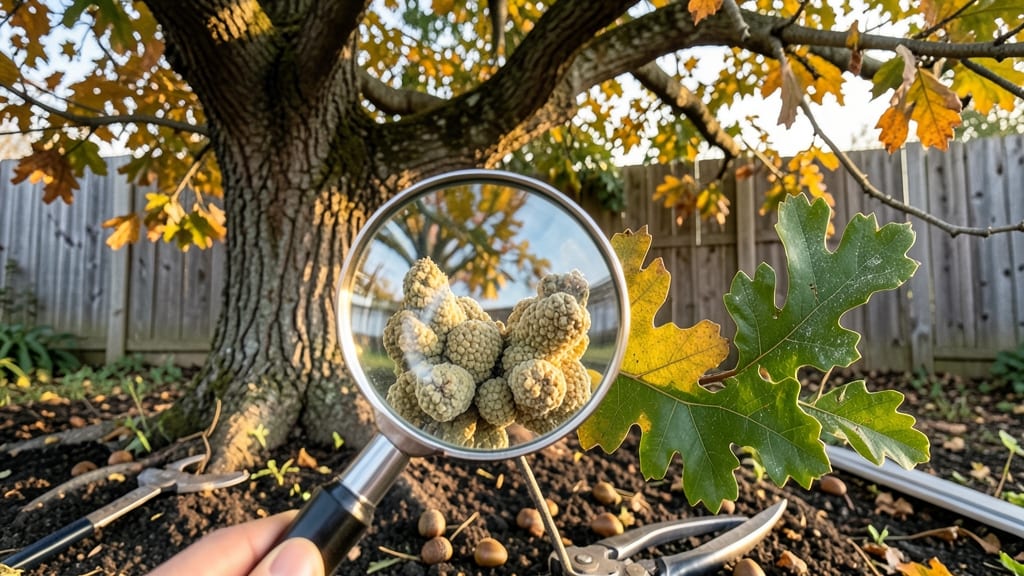
That fuzzy green growth on oak tree leaves might be lichen—not a disease at all. ✨ I’ve seen gardeners panic over what turned out to be harmless lichen, while others missed early signs of anthracnose because they didn’t know what to look for.
This quick guide separates the harmless from the harmful so you can act fast when needed.
Lichen thrives in shady, moist spots and won’t hurt your tree, but fungal spots like anthracnose appear as dark, sunken patches that spread quickly. Scale insects leave sticky residue, while mites cause yellowing between leaf veins.
The key? Check the texture, color, and where it’s growing—this tells you whether to relax or treat.
You’ll learn how to confirm the problem in under 10 minutes with just a magnifying glass and a damp cloth. Organic fixes like neem oil or copper fungicide work for most issues, while severe cases might need targeted treatments. The goal? Keep your oak thriving without overreacting to every speck.
Works for red, white, or pin oaks—just adjust treatments based on leaf type and your climate. Whether it’s a cosmetic concern or a full-blown crisis, this guide keeps your tree healthy without guesswork.
Root Causes Behind Leaf Growths
Understanding why unusual growths appear on oak tree leaves starts with recognizing that these trees—like all plants—are constantly interacting with their environment. 🌿 These interactions can lead to both natural and problematic developments.
Below, we break down the key reasons why you might see unexpected growths on oak leaves, from benign to concerning.
---
Fungi thrive in moist, warm conditions and often latch onto oak leaves, causing unsightly (and sometimes harmful) growths. Here’s how it happens:
- Spores in the Air 🌬️: Fungal spores are everywhere—soil, wind, even rain can carry them to your oak tree.
When conditions are right (high humidity, poor air circulation), spores germinate on leaves, forming mildew, rust, or leaf spots. - Weakened Tree Defense 🛡️: Stress from drought, poor soil, or pest damage makes oaks vulnerable.
Fungi exploit this weakness, leading to powdery white patches (powdery mildew) or orange-brown pustules (rust fungi). - Symptoms to Watch For: - White, powdery coatings (powdery mildew). - Yellow-orange spots that spread (rust fungi). - Black or brown lesions (anthracnose).
Pro Tip: 💡 Early detection is key—prune infected leaves immediately and improve airflow around the tree by thinning dense branches.
---
Not all leaf growths are fungal—some are the result of insects laying eggs, feeding, or secreting honeydew (a sticky substance that attracts sooty mold). Common offenders include:
- Scale Insects & Mealybugs 🐛: These sap-sucking pests cluster on leaves, excreting honeydew that fosters black sooty mold (a fuzzy, velvety growth). - Aphids & Spider Mites 🕷️: Their feeding damage weakens leaves, making them susceptible to secondary fungal infections. - Gall Formers (e.g., Oak Apple Gall Wasps) 🐝: Some insects induce plant tissue to grow abnormally, creating wart-like galls (often harmless but unsightly).
Pro Tip: 🔥 Inspect undersides of leaves—pests often hide there. Use neem oil or insecticidal soap for light infestations.
---
Not all growths are bad! Some are simply adaptive responses to environmental stress or genetic quirks:
- Leaf Gall (Non-Parasitic) 🌿: Some galls form naturally due to hormonal imbalances triggered by environmental factors (e.g., temperature shifts, nutrient deficiencies). - Variegation or Mutations 🎨: Rarely, oaks develop white or yellow patches due to viral infections (e.g., oak leaf blister) or genetic mutations—often harmless but visually distinct. - Lichen & Moss 🍃: These aren’t growths from the oak itself but symbiotic organisms (fungus + algae) that colonize leaves in shady, humid conditions.
Pro Tip: ✨ If growths are slow-spreading and leaves stay green, they’re likely benign. Monitor but don’t panic!
--- Extreme weather, poor soil, or pollution can trigger abnormal leaf responses, including:
- Water Stress (Drought or Overwatering) 💧: Leads to crinkled, curled, or stunted growth as the tree conserves moisture. - Nutrient Deficiencies 🌱: Lack of magnesium (yellow patches) or iron (chlorosis) can cause distorted growth. - Air Pollution or Ozone Damage 🚗: Urban oaks often show stippled or speckled leaves due to smog or industrial pollutants.
Pro Tip: 🌡️ Check soil pH and moisture—oaks prefer slightly acidic (6.0–7.0) and well-draining soil. Amend with compost if needed.
--- While less common, bacterial or viral infections can cause leaf deformities:
- Bacterial Leaf Scorch 🔥: Causes brown, crinkled edges (spread by sap-feeding insects like leafhoppers). - Oak Leaf Blister 🌡️: A viral infection leading to blister-like growths on upper leaf surfaces.
Pro Tip: 🚨 Remove and destroy infected leaves immediately—these diseases can spread quickly and may require fungicide or bactericide treatments.
--- Most leaf growths on oaks fall into four categories: 1. Fungal (most common, often treatable). 2. Insect-related (pests or their byproducts). 3. Natural/benign (galls, lichen, mutations). 4. Environmental stress (drought, pollution, poor soil).
Next Step: [Link to identification guide section] to determine if your oak’s growths are harmless—or need intervention!
Quick Fixes for Leaf Growth Issues
If you’ve spotted unusual growth on your oak tree leaves—whether it’s fuzzy molds, black spots, or strange bumps—don’t panic! Most problems have simple, effective solutions. Below, we’ll break down the cause-and-fix approach, so you can act fast and keep your oak tree thriving.
We’ve also included prevention tips to stop future outbreaks before they start.
---
Signs: White powdery coatings, orange rust spots, or dark, greasy patches.
#### 🔥 How to Treat It 1. Prune Infected Leaves 🌿 - Use sterilized pruners to remove heavily affected leaves and branches. Dispose of them in a sealed bag (not your compost pile). - Focus on lower branches and shaded areas, where fungi thrive.
2. Apply Fungicide 🛡️ - Neem oil (natural) or copper-based fungicides (chemical) work best.
Mix 1–2 tbsp of neem oil per gallon of water with a drop of dish soap (as a surfactant) and spray evenly on both leaf surfaces. - Reapply every 7–10 days until new growth appears healthy.
3. Improve Airflow 💨 - Thin out dense foliage to reduce humidity near the tree. Fungi love damp, stagnant air. - Space trees 6–10 feet apart if replanting.
#### 💡 Prevention Tips - Water at the base (not overhead) to keep leaves dry. - Avoid overhead irrigation in late afternoon or evening. - Mulch properly (2–4 inches of organic mulch) to prevent soil-borne fungi from splashing onto leaves.
---
Signs: Sticky residue (honeydew), tiny webs, or curled, discolored leaves.
#### 🍳 How to Treat It 1. Blast Off Pests with Water 💦 - A strong spray from your hose (on a sunny day) can knock off aphids and mites. Repeat every 3–4 days for severe infestations.
2. Use Insecticidal Soap 🧼 - Mix 1.5 tbsp of mild liquid soap (like Castile soap) per gallon of water and spray directly on pests. Test on a small area first to avoid leaf burn.
3. Introduce Beneficial Insects 🐞 - Ladybugs, lacewings, or parasitic wasps eat aphids naturally. Buy them from garden centers or attract them with neem oil sprays.
#### 🔥 Prevention Tips - Inspect new plants before bringing them home—quarantine them for a week. - Encourage natural predators by planting dill, fennel, or marigolds nearby. - Avoid broad-spectrum pesticides, which kill helpful insects too.
---
Signs: Round, woody growths on leaves or stems (harmless but unsightly).
#### ⏰ How to Treat It 1. Leave It Alone (Most Galls Are Harmless) 🤷 - Galls are caused by wasps or fungi and won’t kill the tree. They’ll fall off naturally in 1–2 years.
2. Prune Severe Cases ✂️ - If galls are large or weakening branches, cut them off in late winter or early spring (when the tree is dormant).
#### 🎯 Prevention Tips - Keep the tree healthy with proper watering and fertilization. - Reduce stress by avoiding over-pruning or root damage.
---
Signs: Yellowing leaves, wilting, or stunted growth with no visible pests.
#### 💧 How to Fix It 1. Adjust Watering 🚰 - Drought? Water deeply 1–2 times per week (1–2 inches per session). - Overwatering? Let the soil dry out between waterings—oak trees hate soggy roots.
2. Mulch Properly 🌿 - Apply 2–4 inches of mulch (wood chips or bark) 3–6 inches away from the trunk to retain moisture.
#### ✨ Prevention Tips - Test soil moisture before watering—stick your finger 2 inches deep; if dry, it’s time to water. - Avoid compacting soil around the base (keep foot traffic away).
--- 🔍 Check your oak tree every 2 weeks for new signs of trouble. Catching issues early means less work and a healthier tree!
By following these targeted fixes, you’ll restore your oak’s health—and keep those leaves looking lush and disease-free for years. 🌳💚
Frequently asked questions
Is lichen on oak leaves harmful?
No, lichen is completely harmless and often indicates a healthy, mature oak tree. It’s a symbiotic organism (fungus + algae) that thrives in shady, humid conditions. You can gently brush it off if you dislike its appearance, but it won’t damage the tree.
What does anthracnose look like on oak leaves?
Anthracnose appears as dark brown or black sunken spots with yellow halos that spread quickly. These spots often have a greasy texture and may cause leaves to curl or drop prematurely. It thrives in wet spring conditions.
How can I tell if the growth is from pests or disease?
Check the leaf undersides for tiny insects (pests) or sticky residue (honeydew). If you see white powder (mildew), orange spots (rust), or black sooty mold, it’s likely fungal. Pests often leave yellowing between veins or curled leaves.
Will pruning infected leaves help stop the spread?
Yes! Remove only heavily infected leaves with sterilized pruners to prevent spreading spores. Dispose of them in a sealed bag (not compost), and focus on lower branches and shaded areas where fungi thrive. Thin dense foliage to improve airflow.
Can I use household items to treat fungal growth?
Try a baking soda spray (1 tsp baking soda + 1 quart water + drop of soap) or hydrogen peroxide (3%) for mild cases. For stubborn fungi, neem oil or copper fungicide works better. Always test on a small leaf first to avoid damage.