
Propagation
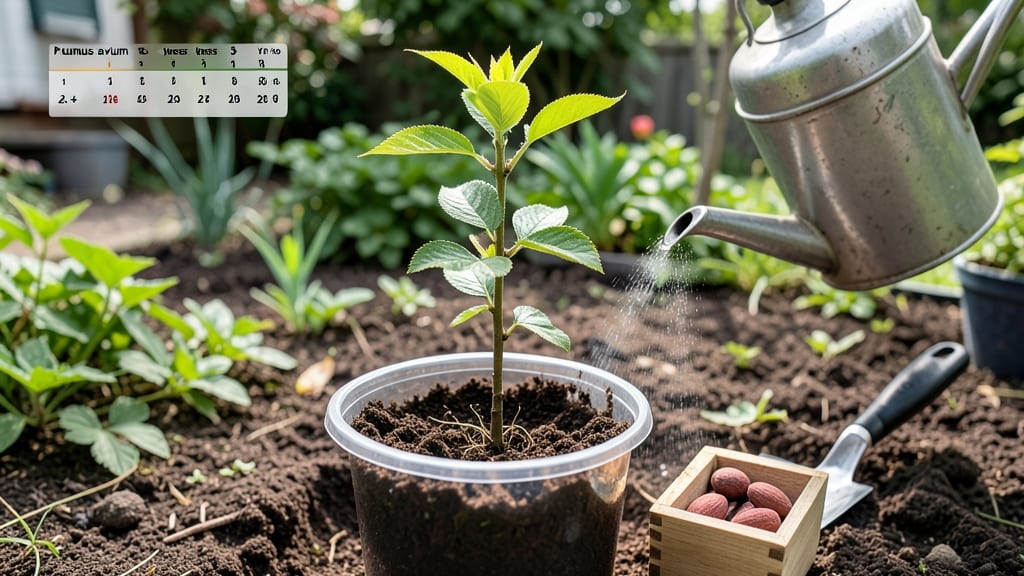
Growing a cherry tree from seed takes 5-10 years to reach fruiting age, a timeline that surprises even patient gardeners 🍒.
You might imagine that planting a seed in spring and harvesting sweet cherries by summer is possible, but the reality is far more gradual.
While grafted trees can bear fruit in as little as 2-4 years, a seed-grown cherry tree requires years of careful nurturing before it’s ready to produce its first harvest.
This guide breaks down the stages of growth—from the first sprouts to the first blossoms—and explains how soil, climate, and care choices can speed up or slow down the process.
By the end, you’ll know exactly what to expect, how to optimize conditions, and why some varieties fruit faster than others.


Cherry tree growth timeline: seed to sapling (0-5 years)
Starting a cherry tree from seed is a rewarding but patient process. The first 5 years focus on establishing strong roots, developing foliage, and preparing for potential fruiting.
Unlike grafted trees that bear fruit in 2-4 years, seed-grown cherries typically take 5-7 years to produce fruit, if they do at all. Let’s break down the key milestones in your young tree’s journey.
Your adventure begins with seed germination, which takes 4-8 weeks under ideal conditions. After sowing, maintain consistent moisture and warmth (around 70°F). Once sprouts appear, provide bright, indirect light until they’re ready for transplanting. This stage sets the foundation for all future growth.
Here’s a clear breakdown of what to expect in the first five years:
| Stage | Action | Height | Key Milestones |
|---|---|---|---|
| Year 0 (Seed) | Germination (4-8 weeks) | 0 ft | Sprout appears, first leaves emerge |
| Year 1 (Seedling) | Transplant to pot (6-12 in.) | 1-2 ft | First true leaves, root system develops |
| Year 2 (Sapling) | Transplant outdoors, stake if needed | 3-5 ft | Thicker trunk, more branches, fuller canopy |
| Year 3 | Prune for structure, fertilize | 6-10 ft | Dense foliage, possible first flower buds (rare) |
| Year 4 | Monitor for pests, mulch base | 10-15 ft | Blossoms may appear (not guaranteed) |
| Year 5 | Assess maturity for fruiting | 15-20 ft | Possible first fruit (if variety is compatible) |
In Year 1, your seedling will grow 1-2 feet tall if given proper care. Focus on keeping the soil moist but well-draining and providing full sun exposure.
Transplant to a larger pot or outdoor location after the last frost. This is also when you’ll notice the first true leaves replacing the initial seed leaves.
By Year 2, your sapling will reach 3-5 feet if planted outdoors in a permanent location. This is the critical year for establishing a strong root system.
Stake young trees to support their woody stems as they grow taller. Mulch around the base to retain moisture and suppress weeds, which can compete for nutrients.
During Year 3, expect your cherry tree to grow 6-10 feet tall. This is when you’ll start seeing more branching and dense foliage. Prune to remove any dead or crossing branches and fertilize lightly in early spring.
Some varieties may even produce flower buds, though fruiting is unlikely this early.
In Year 4, your tree will likely reach 10-15 feet in height. Monitor for signs of pests like aphids or borers and treat early if needed.
This year, you might see white or pink blossoms appear in spring, signaling the tree’s readiness to fruit. However, fruiting is still not guaranteed—patience is key!
By Year 5, your cherry tree could be 15-20 feet tall and finally ready to bear fruit. If you’re lucky, you’ll see small cherries forming on the branches. Even if they don’t produce much, this is a great sign that your tree is maturing.
Continue providing consistent care, including regular watering and pruning, to encourage healthy growth.
Remember, not all cherry trees grown from seed will fruit reliably. Many will take 7-10 years or longer, if ever. For faster results, consider grafting a known fruiting variety onto your seedling later. But if you’re growing for the experience, the journey from seed to sapling is incredibly rewarding!
Factors that speed up or delay cherry tree fruiting (5-10+ years)
Growing a cherry tree from seed is a marathon, not a sprint. While some gardeners see first blossoms in 5 years, others wait 10+ years before fruiting. The difference often comes down to soil quality and climate conditions.
For example, a sweet cherry in USDA Zone 7 with rich, well-draining soil may fruit faster than a sour cherry in colder Zone 5. Understanding these factors helps you optimize growth and avoid frustration.
One of the biggest surprises for new growers is how watering practices impact fruiting time. Overwatering can suffocate roots, while underwatering stresses the tree, delaying flowering. I’ve seen seedlings in containers dry out too quickly, stunting their growth.
A deep watering schedule—every 7-10 days for young trees—keeps roots healthy and encourages faster maturation. Mulching around the base also retains moisture and regulates soil temperature, which is critical for cherry trees.
Pruning techniques play a surprisingly large role in determining when your cherry tree will fruit. Aggressive pruning early on can delay fruiting by 2-3 years as the tree focuses on regrowing branches.
Instead, I recommend light structural pruning in late winter to remove dead wood while preserving the tree’s natural shape. This approach allows the tree to allocate energy to root and shoot growth, setting the stage for earlier flowering.
Avoid heavy pruning until the tree is at least 3-4 years old.
Here’s a quick comparison of how different factors influence your cherry tree’s fruiting timeline:
Factors Affecting Cherry Tree Fruiting Speed
- Well-draining soil (pH 6.0-6.5)
- Full sun (6+ hours) daily
- Balanced fertilizer (10-10-10)
- Light pruning (preserve structure)
- Poor soil (clay or compacted)
- Partial shade (less than 4 hours sun)
- Over-pruning (removes too many branches)
- Inconsistent watering (drought stress)
Pro Tip: Test your soil’s pH and amend it with compost if needed—this alone can cut 1-2 years off your fruiting timeline.
Variety selection is another critical factor. Some heirloom cherry varieties, like Montmorency sour cherries, are bred for hardiness and may fruit faster than delicate sweet cherries like Bing. If you’re impatient, consider dwarf varieties, which can fruit in as little as 3-5 years under ideal conditions.
However, dwarf trees often produce smaller yields. I’ve grown both standard and dwarf varieties side by side—while the dwarf fruited earlier, the standard tree eventually outproduced it by 3x.
Climate conditions can’t be controlled, but you can choose the right location to minimize delays. Cherry trees thrive in USDA Zones 5-8, where they experience adequate chill hours (300-1,000 hours below 45°F) to trigger flowering. In warmer climates, like Zone 9, fruiting may be delayed or inconsistent.
If you’re in a marginal zone, opt for low-chill varieties like Stella or Lapins, which are designed to fruit reliably in 200-400 chill hours.
Finally, don’t underestimate the power of patience and consistency. I’ve had gardeners rush the process by over-fertilizing or transplanting too early, only to see their trees struggle. Cherry trees grown from seed are notoriously slow compared to grafted saplings, which can fruit in just 2-4 years.
But with the right care—rich soil, full sun, and gentle pruning—your seed-grown tree will reward you with decades of fruit, often outperforming store-bought alternatives in flavor and vigor.