
Light Requirements
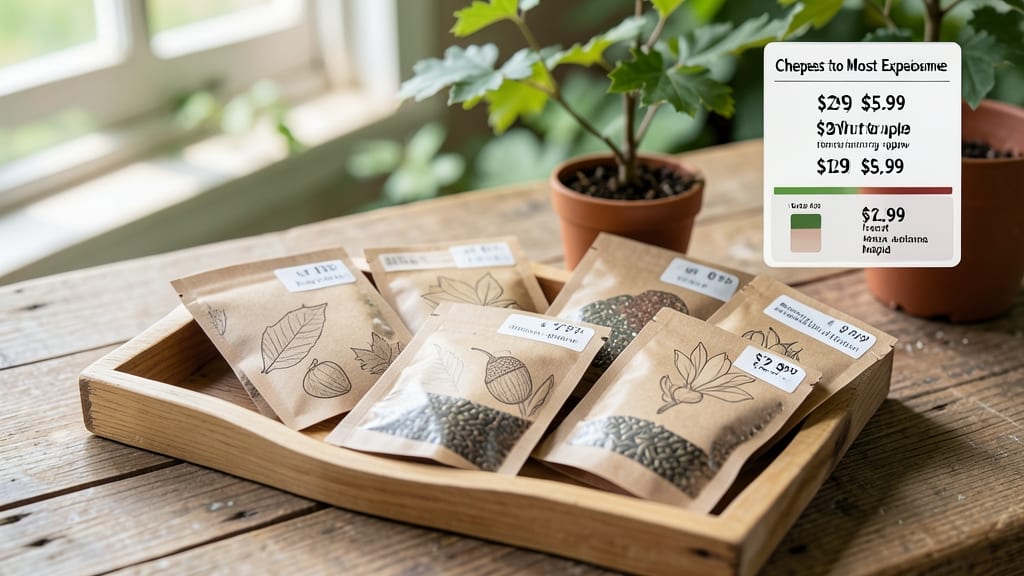
Buying tree seeds costs can vary from $0.50 to over $20 per seed, depending on the species and supplier. Common hardwoods like oak or maple typically range from $1 to $5 per seed, while rare or specialty varieties often exceed $20. Bulk purchases and certified seeds for landscaping may also impact pricing.
Tree seed pricing depends heavily on the species and whether you're buying individual seeds or bulk quantities. 🌳 For instance, fast-growing trees like willow or birch seeds are often more affordable, while slow-growing or native species can cost significantly more due to their scarcity.
Many gardeners find that purchasing seeds directly from reputable suppliers—such as the Arbor Day Foundation or local nurseries—yields better quality and sometimes even discounts for larger orders.
Another key factor is germination rate, which can influence the final cost. Certified seeds with high germination rates may be pricier but offer better success rates.
I always recommend checking reviews or asking suppliers about their germination guarantees before making a purchase, as this can save you money and frustration in the long run.
💡 In This Article
- Factors Influencing Tree Seed Pricing
- Best Places to Buy Tree Seeds for Cost-Effective Gardening
Factors influencing tree seed pricing
The price of tree seeds is primarily determined by their rarity and demand in the horticultural market. Native or endangered species, such as the American chestnut or California redwood, can cost $20–$50 per seed due to conservation efforts and limited availability.
These seeds often come with strict harvesting regulations to protect ecosystems, which drives up costs. In contrast, fast-growing or widely planted species like pine or poplar seeds typically range from $0.50–$3 per seed because they're easier to source and propagate in large quantities.
Germination rates play a critical role in pricing too. Certified seeds with a 90%+ germination guarantee often cost more than raw, untested seeds because they undergo rigorous quality control.
For example, a bag of maple seeds with a 95% germination rate might sell for $4–$6 per seed, while the same seeds without certification could be $1–$2. Pre-treated seeds—those soaked, scarified, or cold-stratified to speed up sprouting—can also command higher prices, sometimes 20–30% more than untreated seeds. 🌱
Supplier reputation and sourcing methods heavily influence costs as well. Local nurseries or seed banks often charge a premium for verified, locally adapted seeds, ensuring better survival rates in your climate.
Online retailers like Arbor Day Foundation or Native American Seed may offer competitive bulk pricing, but shipping costs can add $5–$20 depending on weight and distance. Smaller, independent sellers on platforms like Etsy might offer unique or heirloom varieties but often lack the same quality guarantees as larger suppliers.
Seasonality also affects pricing, with seeds typically cheaper in late summer or early fall when they're freshly harvested. However, some suppliers offer year-round sales or discounts for bulk orders, which can significantly reduce per-seed costs.
For instance, buying 1,000 oak seeds from a wholesale supplier might cost $3–$5 per seed, while purchasing the same quantity from a retail store could exceed $8–$10 per seed. Always check for seasonal promotions or loyalty programs to maximize savings.
Another hidden cost factor is storage and handling. Seeds that require refrigeration or specialized packaging (like moisture-resistant bags) may have higher price tags. For example, walnut seeds often need to be stored in airtight containers to prevent mold, which can increase their cost by 10–20%.
If you're planning a large planting project, it's worth investing in bulk storage solutions to preserve seed viability and reduce long-term expenses.