
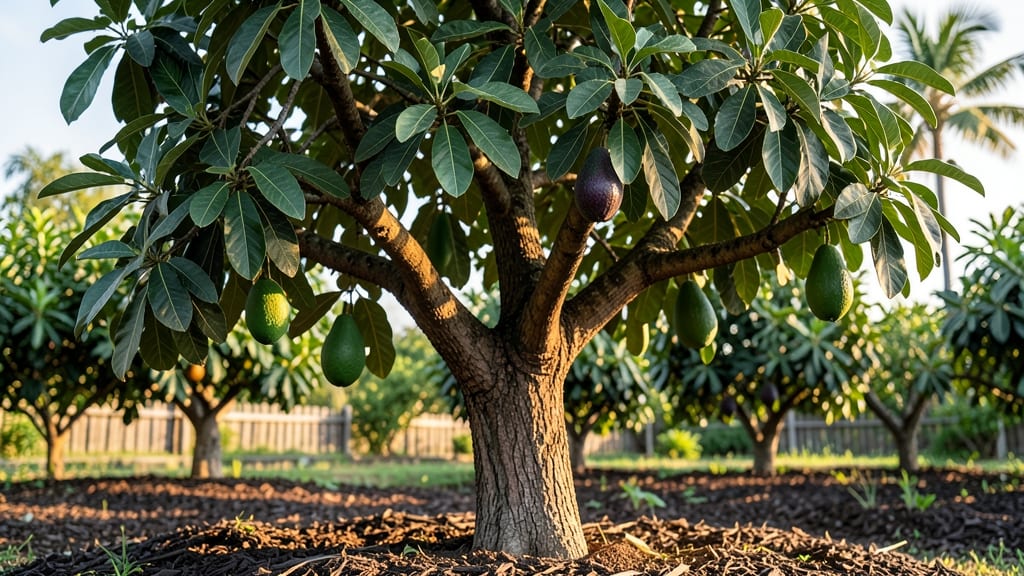
How Tall Do Avocado Trees Grow: Mature Heights by Variety and Climate Zones Explained

How To

How Tall Do Avocado Trees Grow: Mature Heights by Variety and Climate Zones Explained

Growing an avocado tree means preparing for heights that can reach how tall an avocado tree grows—up to 40 feet or more, depending on the variety and growing conditions.

Picture this: a backyard avocado tree that starts as a tiny seedling but quickly stretches toward the sky, leaving you wondering if you’ve planted it in the right spot. The truth is, avocado trees are dramatic growers, and their mature size can vary wildly—from compact dwarf types to towering giants.

Understanding these differences is key, especially if you’re working with limited space or hoping to keep your tree manageable. Whether you’re dreaming of a backyard harvest or just curious about how fast these trees grow, knowing the factors that influence their height will help you plan ahead.

In this guide, I’ll break down the mature heights of popular varieties, how climate and care affect growth, and practical tips to control the size of your avocado tree—so you can enjoy its fruit without losing your roof to its branches.

📈 Avocado Growth Timeline
10 ft
Year 1
20 ft
Year 2
30 ft
Year 3
40 ft
Mature

Avocado tree height by variety: dwarf to giant mature sizes explained

Choosing the right avocado tree variety isn't just about fruit flavor—it's about space planning. Some varieties grow as tall as 80 feet in ideal conditions, while others stay under 15 feet with proper care.

Your backyard's dimensions and your willingness to prune will determine which variety thrives best in your space.

Most home gardeners face a critical question: How much height can I handle? Without pruning, standard varieties like Hass can reach 30-40 feet, while dwarf varieties like Mexican Dwarf top out at 12-16 feet. Understanding these differences helps you avoid planting a tropical giant that outgrows your property.

Key factors influencing height include:

  • Rootstock type (dwarfing vs. standard)
  • Pruning frequency (annual vs. minimal)
  • Climate conditions (wind exposure, frost risk)
  • Container vs. in-ground planting methods
Variety Mature Height (ft) Growth Rate (ft/year) Ideal Spacing (ft) Notes
Hass 30-40 2-3 20-25 Most popular; needs pruning
Fuerte 25-35 1.5-2.5 18-22 Cold-hardy; great for containers
Bacon 30-40 2-3 20-25 Large fruit; needs space
Reed 20-25 1-2 15-20 Disease-resistant; compact
Mexican Dwarf 12-16 1-1.5 10-12 Best for containers; slow-growing
Wurtz 25-35 1.5-2.5 18-22 Cold-tolerant; good for zone 8
Lamb Hass 20-25 1-2 15-20 Dwarf rootstock; early bearing
Choquette 30-40 2-3

How climate zones affect avocado tree growth height: tropical vs. temperate adjustments

If you're dreaming of growing avocados in your backyard, your USDA climate zone will dramatically impact how tall your tree grows. In their native tropical zones (9-11), avocados thrive with minimal height restrictions, reaching 40-80 feet without pruning.

But in cooler zones (8 and below), growth slows dramatically unless you use specific adaptations like cold-hardy varieties or container culture. Let's explore how these factors play out in real-world growing scenarios.

The difference between California's coastal groves (Zone 10) and Florida's subtropical farms (Zone 11) reveals how even small temperature variations affect height.

In California's cooler microclimates, Hass trees typically max out at 30-40 feet due to slower spring growth, while Florida's warmer winters allow Fuerte varieties to reach 50+ feet with aggressive vertical growth.

This zone-driven height variation explains why your backyard avocado might stay compact while your neighbor's becomes a towering shade provider.

Climate Zone Ideal Varieties Mature Height (ft) Growth Rate Key Adaptations
Zones 9-11 (Tropical) Hass, Fuerte, Bacon, Reed 40-80 ft 3-5 ft/year No winter dormancy, year-round growth
Zone 8 (Microclimates) Mexican, Guatemalan hybrids 20-35 ft 1-3 ft/year Windbreaks, mulch, winter protection
Zone 7 & Below (Containers) Dwarf rootstocks (Mexican) 10-16 ft 0.5-2 ft/year Large pots, indoor overwintering
💡 Key Insight: Container-grown trees in Zone 7 can match Zone 9 heights with proper root restriction!

Wind exposure creates another height-limiting factor in open landscapes. In California's Central Valley, avocado trees often develop leaning trunks and stunted growth due to Santa Ana winds, while coastal areas with moderate breezes produce straighter, taller specimens.

The solution? Plant near windbreaks like bamboo screens or native shrubs to reduce stress and encourage vertical growth. In Florida, hurricane-prone regions actually benefit from controlled height through annual pruning to prevent wind damage.

For gardeners in Zone 8 and below, container culture becomes essential for managing height. A Mexican dwarf avocado grown in a 20-gallon pot will typically reach 12-16 feet over 5 years, while the same variety in-ground might hit 25 feet.

The secret lies in root restriction—when roots can't spread, the tree focuses energy on fruit production rather than vertical growth. Just remember to uproot and overwinter containers in freeze-prone areas using row covers or insulated wraps.

One surprising case study comes from Texas' Rio Grande Valley (Zone 9a), where Bacon avocados routinely exceed 60 feet due to year-round warmth and rich soil. Meanwhile, just 100 miles north in Zone 8b, the same variety maxes out at 30 feet without winter chilling protection.

This 10-foot difference over the same soil type proves how microclimates within zones can dramatically alter growth potential. Always check local frost dates and heat accumulation when selecting your planting site.

To maximize height control in small spaces, combine dwarf rootstocks with seasonal pruning. My Mexican dwarf in a 15-gallon container stays under 10 feet through summer tip pruning and winter shape adjustments. The key is pruning just after harvest to encourage horizontal branching rather than vertical shoots.

For standard varieties, implement a 3-year pruning cycle—light in year 1, moderate in year 2, and structural shaping in year 3 to control ultimate height.

★★★★★4.8(4 reviews)
Categories How To