
How To
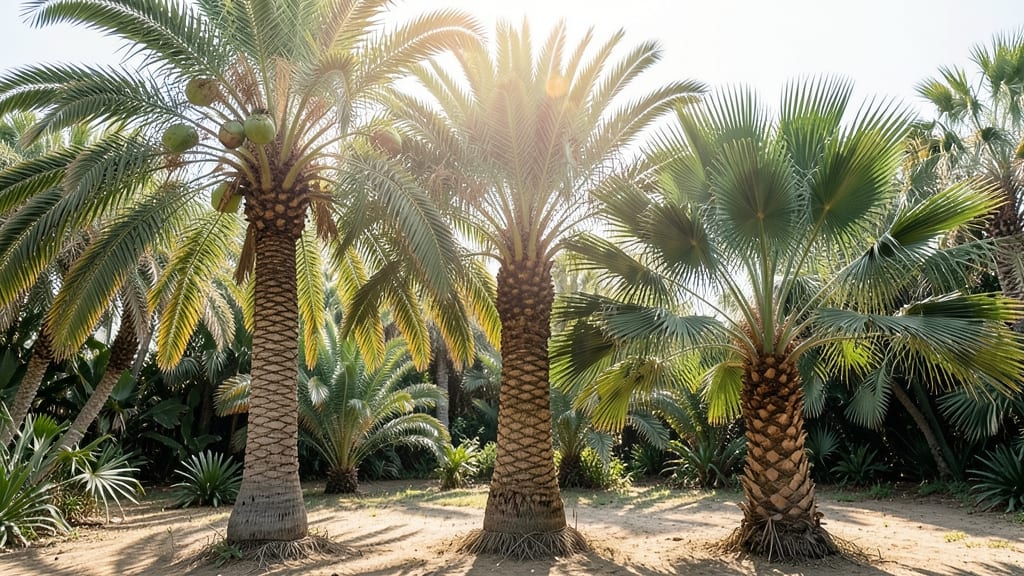
Palm trees can grow anywhere from a few feet to over 200 feet tall, depending on the species and growing conditions—so choosing the right one for your space is key.
If you're dreaming of tropical landscapes but worried about space, knowing how tall palm trees grow can help you choose the perfect variety—whether you want a towering giant or a compact dwarf.
Some species, like the coconut palm, reach heights of 100 feet or more, while others, such as the Pygmy Date Palm, stay under 10 feet.
Growth isn’t just about species, though. Climate, soil quality, and care all play a role in how tall your palm tree becomes. In warm, frost-free zones like USDA 9-11, palms thrive year-round, but even in these ideal conditions, some varieties grow faster than others.
Below, I’ll break down the height ranges of popular palm species, compare dwarf vs. giant varieties, and share tips for managing growth in home gardens—so you can pick the perfect palm for your space.


Average palm tree heights: dwarf vs. giant species compared
Choosing the right palm tree for your space starts with understanding their height potential. Some varieties stay under 10 feet, perfect for patios, while others reach 100+ feet, dominating entire landscapes.
The key difference lies in their genetic growth patterns and environmental conditions. Let me break down the height ranges and growth rates for popular species so you can make an informed choice.
For home gardeners, dwarf palms are game-changers—they bring tropical beauty without the space commitment. These compact varieties mature between 5 and 12 feet, making them ideal for containers, balconies, or small yards.
On the opposite end, giant palms like the coconut palm can soar to 100 feet or more, requiring careful planning for wind resistance and root space.
🌱
| Palm Species | Height Range (Mature) | Growth Rate (Per Year) | Best For |
|---|---|---|---|
| Pygmy Date Palm (Phoenix roebelenii) | 6-10 ft | 6-12 in | Containers, patios, indoor plants |
| Mediterranean Fan Palm (Chamaerops humilis) | 10-15 ft | 8-12 in | Small yards, Mediterranean climates |
| Chinese Fan Palm (Livistona chinensis) | 20-30 ft | 12-18 in | Medium yards, urban landscapes |
| Canary Island Date Palm (Phoenix canariensis) | 30-50 ft | 18-24 in | Large properties, street planting |
| Coconut Palm (Cocos nucifera) | 60-100+ ft | 24-36 in | Beaches, tropical landscapes |
| Oil Palm (Elaeis guineensis) | 80-120+ ft | 36-48 in | Commercial farms, large estates |
Notice how growth rates accelerate with height? Dwarf palms like the Pygmy Date Palm grow just 6-12 inches per year, while giants like the Oil Palm can add 3-4 feet annually.
This means a coconut palm could reach 50 feet in just 15 years if given ideal conditions. Always factor in your local climate—cooler zones slow growth significantly.
For container gardening, dwarf varieties thrive because their roots stay manageable. The Mediterranean Fan Palm, for example, rarely exceeds 15 feet in pots, making it perfect for urban balconies. Just ensure your container has drainage holes and use a well-aerated potting mix to prevent root rot.
If you're planting in ground soil, consider the mature canopy spread. A Canary Island Date Palm can spread 15-20 feet wide at maturity, so space it 30+ feet from structures or other plants.
In contrast, the Chinese Fan Palm spreads only 10-12 feet, making it more versatile for smaller spaces.
🌿
One common mistake is assuming all palms grow at the same pace. Slow-growing dwarfs like the Pygmy Date Palm may take 5-7 years to reach 5 feet, while fast growers like the Coconut Palm can hit 20 feet in half that time.
Always check the species' native habitat—palms from tropical rainforests (like the Oil Palm) grow faster than those from Mediterranean climates (like the Mediterranean Fan Palm).
For
Best palm trees for small yards: compact varieties under 10 feet
If you love the tropical look but have limited space, don't let palm tree height hold you back! Many dwarf varieties stay under 10 feet tall, making them perfect for patios, balconies, and small gardens.
These compact palms bring that lush, vacation-like vibe without overwhelming your yard. Plus, their manageable size means easier care and maintenance.
When choosing a small palm tree, consider both mature height and growth rate. Some varieties grow slowly, staying under 6 feet for years, while others may reach their maximum height within a decade.
I’ll share my top picks for low-maintenance, space-friendly palms that thrive in containers or tight spaces.
- 🌱 Pygmy Date Palm (Phoenix roebelenii) – 6-10 ft, slow-growing, cold-hardy to 15°F.
- 🌿 Parlor Palm (Chamaedorea elegans) – 3-6 ft, thrives indoors, loves low light.
- ✂️ Bismarck Palm (Bismarckia nobilis) – 8-12 ft, striking blue-green fronds, needs full sun.
- 💧 Dwarf Palmetto (Sabal minor) – 6-10 ft, drought-tolerant, great for USDA Zone 7+.
- 🪴 Areca Palm (Dypsis lutescens) – 6-10 ft, feathery fronds, ideal for containers.
For container gardening, the Parlor Palm and Areca Palm are my top recommendations. They adapt well to pots and can be moved indoors during winter if you live in a cooler climate. Just ensure your container has drainage holes to prevent root rot—a common issue with overwatered palms.
If you’re in a warmer climate (Zones 9-11), the Pygmy Date Palm is a standout choice. It’s one of the few dwarf palms that tolerates colder temperatures and grows slowly, staying under 10 feet for decades. Pair it with succulents or ornamental grasses for a cohesive small-space design.
To keep your dwarf palm healthy, focus on well-draining soil and consistent moisture. Overwatering is the #1 killer of palms, so let the top 2 inches of soil dry out between waterings.
In summer months, I fertilize every 6-8 weeks with a balanced palm fertilizer to encourage lush fronds.
With the right variety and care, you can enjoy a tropical oasis in any small space—whether it’s a balcony, courtyard, or even a large pot on your patio. These compact palms prove that big style doesn’t require big space! 🌴