
How To
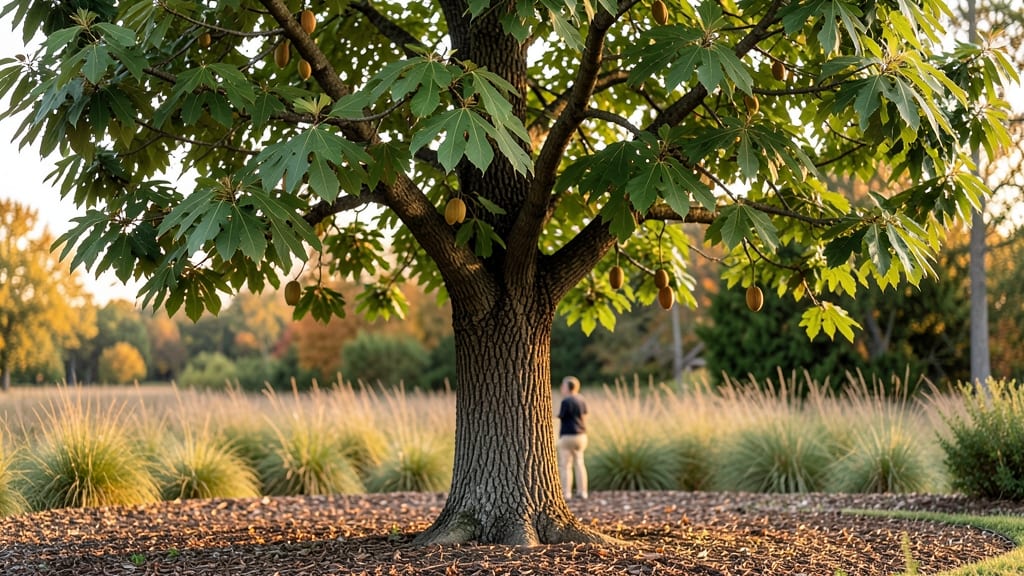
A pecan tree how tall does a pecan tree grow to 60 to 100 feet at maturity, turning your backyard into a towering shade provider 🌳 — but not all varieties reach that height.
If you're dreaming of a backyard filled with shade-providing pecan trees but wondering how much vertical space they’ll need, you’re in the right place. Some dwarf varieties stay under 30 feet, while standard types can outgrow even the tallest homes.
The right choice depends on your space and long-term goals.
Growth speed varies too: young trees gain 2 to 4 feet per year, but mature trees grow slower. Proper pruning and soil care can influence height, making the difference between a manageable size and an overwhelming giant.
Below, I break down exact heights by variety, spacing tips, and how to keep your pecan tree at your ideal height—whether you want a compact shade tree or a full-sized nut producer.


Pecan tree height by variety: from dwarf to giant sizes
Pecan trees are nature's skyscrapers, with some varieties stretching toward the sky like towering sentinels. If you're planning your garden layout, knowing the mature height of your chosen pecan tree variety is essential.
The height range varies dramatically—from compact dwarf varieties perfect for small yards to giant standard trees that need acres of space. Let's explore the vertical possibilities so you can pick the perfect pecan tree for your landscape.
Most pecan trees fall into three broad height categories: dwarf (20-30 ft), semi-dwarf (30-50 ft), and standard (60-100 ft). Your choice depends on your available space, whether you're in an urban backyard or a rural homestead.
I've grown both dwarf and standard varieties, and the difference in their canopy spread and root systems is just as important as their height when planning your planting strategy.
Urban gardeners often gravitate toward dwarf varieties because they fit neatly into suburban landscapes without encroaching on power lines or neighboring properties. Meanwhile, rural landowners can afford to plant the towering standard varieties that produce bumper crops of nuts. The key is matching the tree's mature size to your property's dimensions and your long-term vision for the space.
Here’s a detailed comparison of popular pecan tree varieties by height category, including their growth habits and ideal planting scenarios:
The Wichita and Pawnee varieties are my top recommendations for gardeners with limited space. Their compact stature makes them ideal for suburban backyards, and they still produce a respectable nut yield.
I planted a Pawnee in my front yard, and it's now providing shade for my patio while staying well within the property lines. Just be sure to give these varieties at least 20 feet of clearance in all directions for their canopy to spread comfortably.
For those with more room, the Desirable variety is a fantastic choice. It's a semi-dwarf that grows tall enough to create a stunning focal point in your landscape while remaining manageable for most rural properties.
This variety thrives in well-drained soil and full sun, which is why it's so popular among homesteaders. I've seen Desirable trees in orchards where they're pollinated with other varieties to maximize nut production.
If you're dreaming of a true giant, the Cape Fear and Sioux varieties will deliver. These standard-sized trees can reach heights of 80-100 feet, making them more suited to farms or wooded areas where they have plenty of space to grow.
Their massive canopies provide ample shade, but they require careful planning to avoid overpowering smaller plants or structures in your landscape.
When planting any pecan tree, remember that their root systems can spread just as wide as their canopies. Always check local regulations about setback requirements for trees near property lines or power lines.
In my experience, giving a pecan tree 3-4 times its mature height in horizontal space ensures it won't become a nuisance as it grows. For a 60-foot tree, that means planning for at least 180 feet of clearance in ideal conditions.
One final tip: if you're planting multiple pecan trees, consider their pollination needs. Most varieties require a second tree of a compatible variety for proper fruit set. Even dwarf varieties like Wichita benefit from having a pollinator nearby.
I always plant at least two trees when starting a pecan grove, regardless of their mature height, to ensure a good nut harvest each year.
Whether you
How fast do pecan trees grow to maturity? Timeline and care tips
Pecan trees are patient giants, taking 10-15 years to reach full maturity. In their first decade, you’ll see dramatic vertical growth—especially in the first 5 years—but their final height depends on variety, soil quality, and care.
Standard varieties like 'Pawnee' or 'Desirable' can shoot up 3-6 feet per year when young, while dwarf varieties grow at a more modest pace.
Understanding this timeline helps you plan for pruning, space, and nut production. Without intervention, a pecan tree can tower 60-100 feet, but strategic pruning can keep it manageable while preserving its nut-bearing potential.
Let’s break down the growth stages and care tips to optimize your tree’s height and harvest.
Pruning is your best tool to control height without sacrificing nut production. In the first 5 years, remove competing branches near the trunk to encourage a single, strong leader.
For mature trees, thinning cuts (removing entire branches) improve light penetration and air circulation, which boosts nut quality. Always prune in late winter or early spring before new growth begins.
Seasonal care also impacts growth speed. During spring and summer, deep watering once a week encourages robust growth, while fall fertilization with a balanced 10-10-10 NPK supports root development for the next year.
Avoid heavy fertilization in late summer, as it can stimulate tender new growth vulnerable to frost damage.
For faster growth, ensure your pecan tree has well-draining soil with a slightly acidic pH (6.0-7.0). Amend clay soil with compost or sand to prevent root rot, and mulch around the base with wood chips to retain moisture and regulate soil temperature.
With the right care, your pecan tree will reward you with both shade and nuts for decades.
If you’re planting in a small yard, consider dwarf varieties like 'Wichita', which max out at 20-30 feet. These still produce nuts but grow at a fraction of the rate of standard trees.
For standard varieties, plan for at least 30 feet of clearance in all directions to avoid power line conflicts and ensure easy harvesting.