
How To
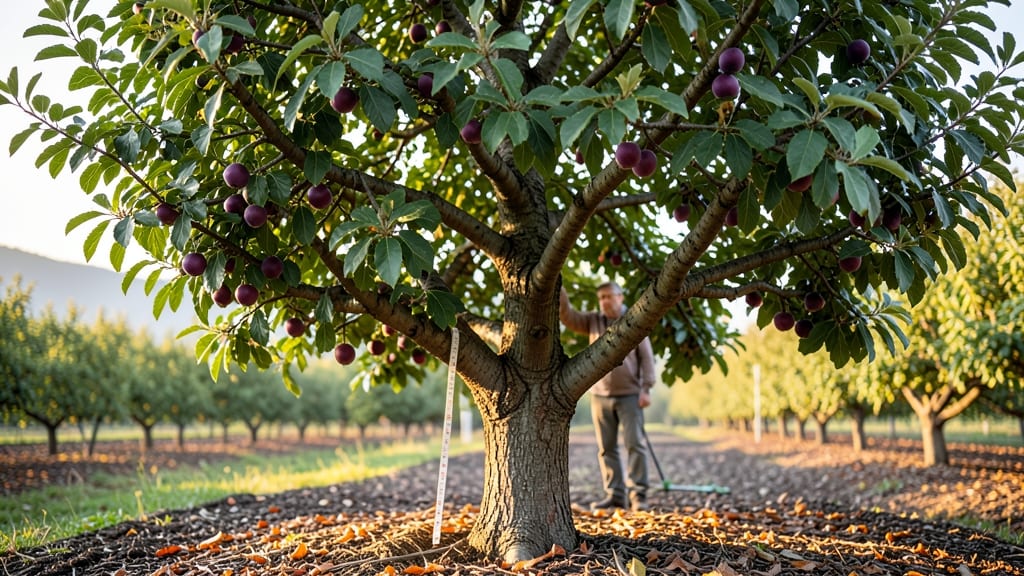
How tall does a plum tree grow? The answer varies dramatically—from a modest 6 feet in dwarf varieties to a towering 30 feet in standard types—so your space will dictate your best options for success.
If you're dreaming of luscious plums but limited by space, understanding plum tree heights could mean the difference between a backyard orchard and a tiny container garden.
Standard varieties like European plums reach 25-30 feet, while Japanese plums stay more compact at 12-18 feet. Dwarf versions cut that down to just 6-12 feet, perfect for urban yards or balconies.
Below, I break down how to match your space to the right size, plus pruning tips to control growth and maximize fruit production.


Standard plum tree heights: full-grown sizes by variety
Choosing the right plum tree starts with understanding mature heights and growth patterns. Standard varieties can reach anywhere from 12 to 30 feet, with dramatic differences between species.
Your climate zone plays a key role—warmer regions often see faster growth, while cooler areas may take longer to reach full size.
European plums like Stanley or Methley typically dominate the tallest category, while Japanese varieties such as Santa Rosa remain more compact. Even within the same species, grafted rootstocks can alter final height by 50% or more. Let’s break down the specifics so you can plan your orchard with precision.
European plums like Stanley often reach 25-30 feet at maturity, making them ideal for large rural properties but impractical for suburban yards. Their wide canopy spread (15-20 feet) means they’ll shade out smaller plants, so plan for 15 feet of clearance in all directions.
Japanese plums, such as the popular Santa Rosa, stay shorter (12-18 feet) and mature faster (3-5 years), perfect for smaller spaces. Their compact growth habit also makes them easier to prune and harvest.
These varieties thrive in USDA zones 6-8, where they produce abundant fruit with minimal care.
Hybrid varieties like Purple Heart bridge the gap, offering 15-22 feet of height with a slightly faster growth rate than European plums. They’re excellent for urban homesteads where space is limited but you still want a substantial harvest.
Always check the specific variety’s rootstock—some hybrids grafted on St. Julien A rootstock can stay under 12 feet.
Climate zone matters more than you might think. In warmer zones (8-10), plum trees often grow 10-20% faster than in cooler regions. For example, a Stanley plum in Zone 9 might reach maturity in 4-5 years instead of 6-7.
Conversely, in Zone 5, expect slower growth and potential winter damage if not properly protected.
Canopy spread is just as critical as height. A 20-foot-tall tree with a 15-foot-wide canopy will dominate your landscape. Always measure your space before planting—standard plums need at least 20 feet of open area to thrive.
For tighter spaces, consider columnar varieties like ‘Wangenheim’, which grow only 8-10 feet tall but produce fruit along a narrow trunk.
Pruning plays a huge role in managing height. Young plum trees benefit from annual pruning to encourage a strong structure. Remove water sprouts and crossing branches to prevent disease and improve airflow.
In standard varieties, expect to prune 2-3 times per year, while dwarf trees may only need 1-2 sessions annually.
If you’re planting near a fence or building, choose a variety with a narrower canopy, like ‘Improved Egg’ (12 feet tall, 8-foot spread). Always check the cold hardiness of your chosen variety—some Japanese plums tolerate
Dwarf plum trees: compact growth for small gardens
If you love plums but lack space, dwarf plum trees are a game-changer. These varieties achieve 60-80% smaller sizes through grafting techniques, making them perfect for patios, balconies, and small backyards.
Unlike their towering standard counterparts, dwarf plums stay between 6-12 feet tall while still producing abundant fruit. This compact growth means you can enjoy homegrown plums without sacrificing precious garden real estate.
The magic happens through dwarfing rootstock, a grafting method where the top part (scion) of a fruit-bearing plum tree is attached to the roots of a slow-growing understock. This combination restricts the tree's overall size while keeping the fruit quality and flavor intact.
For example, a standard Stanley plum tree might reach 25-30 feet, while its dwarf counterpart stays under 10 feet, making it ideal for urban gardens.
| Feature | Standard Plum Tree | Dwarf Plum Tree | Note |
|---|---|---|---|
| Height | 20-30 ft | 6-12 ft | 80% smaller footprint |
| Canopy Spread | 15-20 ft | 8-10 ft | Requires less pruning |
| Fruit Production | Later (5-7 yrs) | Faster (3-5 yrs) | Earlier harvests |
Caring for dwarf plum trees differs slightly from standard varieties. They require more frequent pruning to maintain their shape and encourage fruit production, but the task is easier due to their smaller size. Dwarf trees also produce fruit 3-5 years after planting, compared to 5-7 years for standard trees.
This means you’ll enjoy your first harvest sooner, making the investment even more rewarding for small-space gardeners.
Another advantage of dwarf plums is their container-friendly nature. With proper drainage and soil quality, you can grow them in large pots, making them perfect for balconies or small patios. Just ensure the container is at least 15 gallons to accommodate the root system.
For example, the 'Santa Rosa' plum, a popular dwarf variety, thrives in containers and produces sweet, juicy fruit perfect for fresh eating or preserves.
When planting, choose a location with full sun exposure (at least 6-8 hours daily) and well-draining soil. Dwarf plum trees are also more drought-tolerant once established, but consistent watering during the first year helps them establish strong roots.
Mulching around the base of the tree retains moisture and regulates soil temperature, which is especially beneficial in hot climates.
If you're considering adding a plum tree to your small garden, dwarf varieties offer the perfect balance of space efficiency and fruit productivity. With their compact size, faster fruit production, and adaptability to containers, they’re an excellent choice for urban gardeners, balcony enthusiasts, and anyone with limited space.
Start with a 6-12 foot dwarf variety like 'Improved Egg' or 'Methley' for a reliable and space-saving plum harvest.