
How To
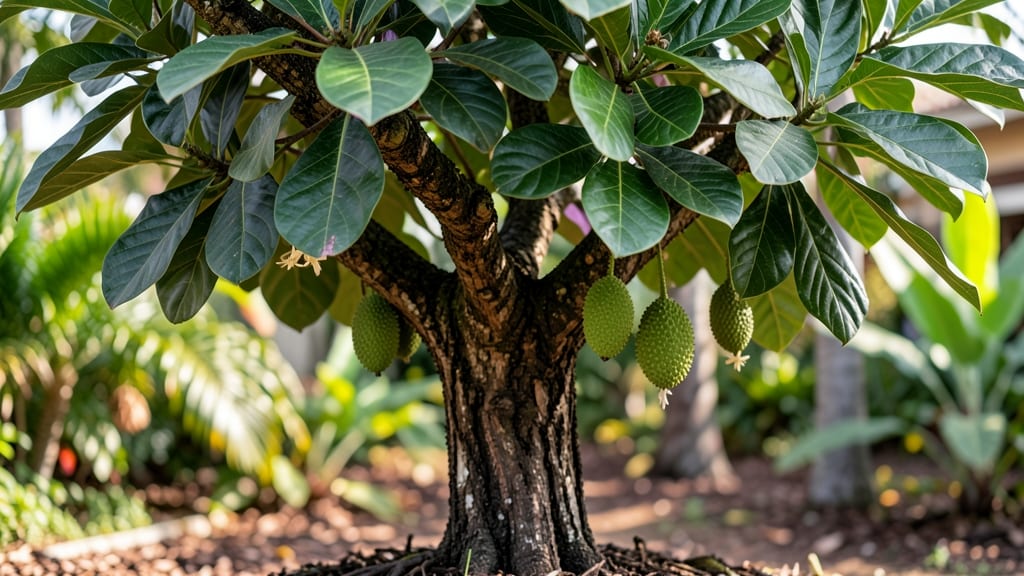
A soursop tree 🌳 can grow between 20 and 50 feet tall—taller than most backyard trees, but its final height depends on where you live and how you care for it.
If you're dreaming of a tropical backyard paradise, the soursop tree (Annona muricata) might be your perfect fit—but first, you need to know how massive it can grow.
This fast-growing giant can reach heights that will surprise even seasoned gardeners, but its final size depends entirely on where you plant it.
In ideal tropical or subtropical climates (USDA zones 10-12), a soursop tree thrives and can shoot up to 50 feet in the right conditions. However, in cooler regions or when grown in containers, it stays smaller—around 10-20 feet—making it manageable for home gardens.
Below, I’ll break down how climate, soil, and pruning affect its growth, plus tips to keep it at a height that works for your space—whether you want a towering tropical centerpiece or a more compact fruit-bearing tree.


Soursop tree height by climate zone: expected growth ranges
The soursop tree (Annona muricata) is a tropical powerhouse that can grow into a stately giant if given the right conditions. In its native USDA Zones 10-12, this tree thrives and reaches its full potential, often towering over 20-50 feet tall.
But climate plays a huge role in how tall your soursop will grow—whether you're in a warm subtropical zone or trying to grow one in a container. Let's break down what to expect based on where you live.
In tropical climates (like Florida, Hawaii, or Puerto Rico), soursop trees grow the fastest and tallest. With year-round warmth and consistent humidity, these trees can shoot up 3-10 feet per year and reach mature heights of 30-50 feet within 10-15 years.
The key is full sun exposure and well-draining, slightly acidic soil (pH 5.5-6.5) to keep them thriving.
If you're in a subtropical zone (like parts of California, southern Texas, or the Caribbean), your soursop tree will still grow tall but at a slower pace. Expect 15-30 feet at maturity, with growth rates of 2-6 feet per year.
These areas have milder winters, but frost can be deadly, so protect young trees with burlap wraps or row covers if temperatures dip below 30°F.
For gardeners in cooler climates, growing a soursop tree in a large container is the only way to enjoy this tropical fruit. In containers, soursop trees stay much smaller—typically 6-12 feet tall—but they require regular pruning to control height.
Growth slows to 1-3 feet per year, and you'll need to bring pots indoors during winter months when temperatures drop below 50°F.
One common misconception is that soursop trees grow slowly like citrus trees. In reality, they're fast growers when happy! In their first year, you'll see 2-4 feet of growth, and by year three, they can reach 12-20 feet.
The canopy spreads wide too, often matching the tree's height, so plan for 15-25 feet of space in all directions for a mature specimen.
To encourage healthier, more controlled growth, focus on proper care. Mulch around the base to retain moisture, fertilize with a balanced tropical fruit fertilizer every 4-6 weeks during growing seasons, and prune selectively to shape the tree and remove dead branches.
Avoid overwatering—soggy soil leads to root rot, which stunts growth.
If you're in a small urban garden, consider planting your soursop near a south-facing wall to maximize sunlight. Even in containers, these trees can produce delicious fruit if given enough light and care.
Just remember: patience is key—it takes 3-5 years for a soursop tree to bear fruit, but once it does, the sweet, creamy rewards are worth the wait.
Before planting, check your local regulations—some areas restrict tropical trees due to their size. If you're unsure about your climate's suitability, start with a container-grown soursop to test the waters.
With the right conditions, you'll have a stunning tropical centerpiece that attracts birds and pollinators while providing shade and fruit for years to come.
Ready to grow? Pick a spot with plenty of space and full sun, and prepare for a tree that will dominate your landscape in the best way possible—with lush foliage and exotic fruit! 🌳
How to control soursop tree height: pruning & growing tips for small spaces
If your backyard space is limited but you're still eager to grow a soursop tree (Annona muricata), don’t worry—this tropical beauty can be managed with the right techniques.
While mature trees can soar to 20-50 feet, strategic pruning and container gardening can keep them at a more manageable height without sacrificing fruit production. The key is understanding when and how to prune while supporting the tree’s natural growth habits.
Soursop trees grow 3-10 feet per year under ideal conditions, so early intervention is critical. By pruning in the right seasons and using dwarfing techniques, you can maintain a tree that fits your space while still enjoying its luscious fruit.
Let’s explore the best methods to keep your soursop tree in check.
- 🌱 Mature Height: 20-50 ft (taller than a two-story house)
- 🌿 First Year: 2-4 ft (fast initial growth)
- 🪴 Container Growth: 6-12 ft (with proper root pruning)
- ✂️ Pruning Window: Late winter/early spring (before new growth)
- 🌡️ Climate Impact: Warmer zones = faster growth (up to 10 ft/year)
To control height, start with structural pruning when your soursop tree is young. Focus on removing suckers and water sprouts—these are fast-growing shoots that steal energy from fruit production. Use sharp, sterilized pruners to make clean cuts just above a leaf node or branch collar.
This encourages the tree to grow outward rather than upward, creating a bushier, more manageable shape.
If you’re growing your soursop in a container, choose a large pot (at least 24 inches in diameter) to accommodate its root system. Prune roots gently every 2-3 years by trimming 1/3 of the root ball to discourage excessive height.
Pair this with a balanced fertilizer (6-6-6 NPK) to support compact growth while maintaining fruit quality.
Another effective strategy is heading back—cutting the main stem to encourage lateral branching. This technique works best in late winter when the tree is dormant.
Aim to reduce the central leader by 1/3 to 1/2 of its height, which will redirect energy to side branches and keep the tree shorter. Just be patient—it may take a season or two to see the full effect.
For small spaces, consider espalier training, where you guide the tree to grow flat against a wall or trellis. This method not only saves space but also makes harvesting fruit easier. Use soft ties to gently bend branches into place, and prune aggressively to maintain the desired shape.
With consistent care, your soursop tree can thrive in a compact, decorative form while still producing abundant fruit.