
How To
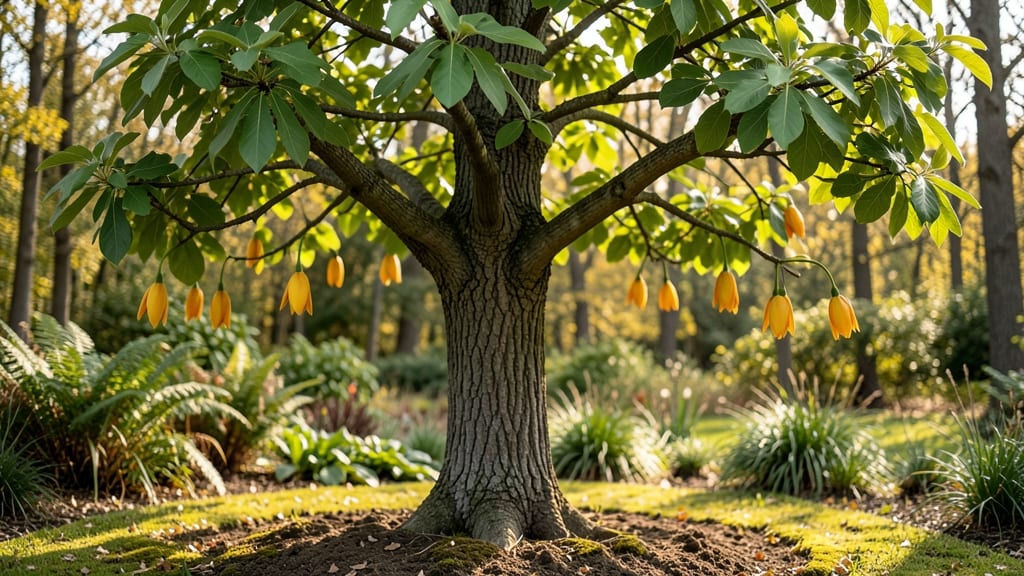
A tulip tree can grow how tall does a tulip tree grow to 70 to 90 feet at maturity, making it one of the fastest-growing shade trees in North America—but its height depends on where you plant it.
Picture this: a towering canopy in 10 years, outpacing many of its neighbors. That’s the magic of the tulip tree, but its growth rate isn’t just luck—it’s tied to your region’s climate, soil quality, and even how much you prune.
In the Southeast, these trees shoot up 3 to 5 feet per year, while in cooler zones like 6a, they grow slower but still reach impressive heights. The key? Planting in full sun with well-drained soil sets the stage for rapid growth.
Learn how to harness that potential—whether you’re aiming for a shade masterpiece or just want to know what to avoid near power lines—so you can plan your landscape with confidence!


Tulip tree height by region: average growth rates and mature sizes
The tulip tree (Liriodendron tulipifera) is a stunning native shade tree that can reach 70-90 feet tall at maturity—but its growth rate and final height depend heavily on your USDA hardiness zone and local climate.
In the Southeast, where warm winters and long growing seasons prevail, these trees grow 2-3 feet per year in ideal conditions. Meanwhile, in cooler northern zones (like Zone 5), they may grow more slowly, reaching 50-60 feet in less favorable conditions.
If you're planting in Zone 6-7 (common in the Midwest), expect moderate growth rates—about 1-2 feet annually—with mature heights around 60-75 feet.
The West Coast (Zones 8-9) offers another fast-growth scenario, thanks to mild winters and abundant rainfall, pushing heights toward the upper 80-foot range when given space and proper care.
Here’s how your region’s climate directly impacts growth speed and mature size:
| USDA Zone | Region | Avg. Annual Growth (ft/year) | Mature Height Range (ft) | Key Climate Factors |
|---|---|---|---|---|
| 5-6 | Northeast/Midwest | 0.8–1.5 | 50–65 | Short growing season, cold winters |
| 7-8 | Southeast/Atlantic Coast | 2–3 | 70–90 | Long, hot summers; mild winters |
| 9 | West Coast (CA, OR) | 1.5–2.5 | 75–85 | Mild winters, high humidity, coastal breezes |
| 6a-6b | Appalachians | 1–2 | 60–75 | Moderate climate, acidic soil common |
In the Southeast, tulip trees thrive with 2-3 feet of annual growth thanks to hot, humid summers and mild winters. This region’s rich, well-drained soils and abundant rainfall create perfect conditions for rapid vertical expansion.
Meanwhile, Zone 5 gardeners in the Midwest or Northeast should expect slower growth due to shorter growing seasons and colder winters, which can stunt early-year growth.
The West Coast offers a unique advantage: coastal climates with mild winters and consistent moisture allow tulip trees to grow nearly as fast as their Southeast counterparts.
However, urban planting challenges—like compacted soil or limited space—can reduce their potential height by 20-30% if not addressed with proper soil amendments and pruning.
For smaller yards, consider planting near property lines or power lines—but be warned: even a slow-growing tulip tree in Zone 5 will eventually reach 50 feet, so plan accordingly.
If you’re in Zone 7 or warmer, expect a monumental tree that will dwarf most homes within 20-30 years.
One critical factor often overlooked is soil quality. Tulip trees prefer well-draining, slightly acidic soil (pH 5.0–6.5). In clay-heavy soils (common in the Midwest), growth can slow dramatically unless you amend with compost or plant in raised beds.
Conversely, sandy soils (like those in parts of the Southeast) may require organic matter to retain moisture during dry spells.
If you’re planting near buildings, account for the spread of the canopy, which can reach 40-50 feet wide. In urban settings, regular pruning can help manage height—but avoid topping, as this can stunt growth and weaken the tree.
Instead, use selective pruning to shape the tree while preserving its natural growth potential.
Pro tip: Young tulip trees (under 5 years old) grow fastest in full sun with consistent moisture. Once established, they become drought-tolerant, but deep watering during the first 2-3 years ensures robust early growth.
In dry climates (like parts of the Southwest), mulching around the base can boost growth by 30% by retaining soil moisture.
Ready to plant? Use this height potential data to choose the right location and prepare for your tulip tree’s future grandeur. Whether you’re in the fast-growing Southeast or the slower Midwest, proper care will help you grow a stunning shade tree for generations to come. 🌳
How fast do tulip trees grow? Annual height increases explained
If you've planted a tulip tree (Liriodendron tulipifera), you're likely wondering how quickly it will reach its majestic 70-90 feet mature height. The answer depends on its growth stage—juvenile trees shoot up fast, while mature trees grow more slowly.
In ideal conditions, a young tulip tree can gain 3-5 feet per year during its first decade, but this pace slows as it ages.
Understanding these growth patterns helps you plan for shade, space, and even pruning needs. For example, a 3-year-old tree might already stand 15-25 feet tall, while a 10-year-old specimen could reach 40-50 feet.
The key to maximizing growth lies in providing the right soil conditions, sunlight, and water—all of which we’ll explore next.
- Year 1: 5-10 ft (fastest early growth)
- Year 3: 15-25 ft (doubles height in 2 years)
- Year 10: 40-50 ft (slower but steady growth)
- Mature: 70-90 ft (20+ years to reach full height)
💡 Pro Tip: Trees in USDA Zones 7-9 grow 20-30% faster due to longer growing seasons.
The first 5 years are critical for tulip trees—they prioritize height over canopy spread. If you notice your tree growing less than 2 feet per year during this phase, check for poor soil drainage or shade competition.
Amending clay soil with compost or relocating to full sun can jumpstart growth. I’ve seen trees in well-draining loam with 6+ hours of sunlight add up to 6 feet annually in their youth.
Pruning plays a surprising role in height development. While you might assume topping a tulip tree will stunt its growth, the opposite is true—light pruning in late winter (before bud break) encourages vertical growth by redirecting energy upward.
Avoid heavy pruning after June, as this can trigger excessive suckering and reduce height gains. For best results, prune only dead or crossing branches and limit cuts to 15% of the canopy per year.
Watering also impacts growth speed, especially in drought-prone regions. Young tulip trees need deep watering every 7-10 days during dry spells, while established trees thrive with bi-weekly deep soaks. Overwatering, however, can lead to root rot and stunted growth.
I recommend using a moisture meter to ensure the soil stays consistently moist but not soggy—this balance is key for maximizing height increases.
By year 10, your tulip tree will have slowed to 1-3 feet of growth annually, but it won’t stop climbing. With proper care, some trees continue adding a few feet per decade well into maturity.
If you’re planting near power lines or structures, monitor growth closely—tulip trees can grow taller than a 3-story building, and their wide canopies (up to 50 feet wide) demand ample space. Plan accordingly to avoid costly pruning or removal later.