
How To
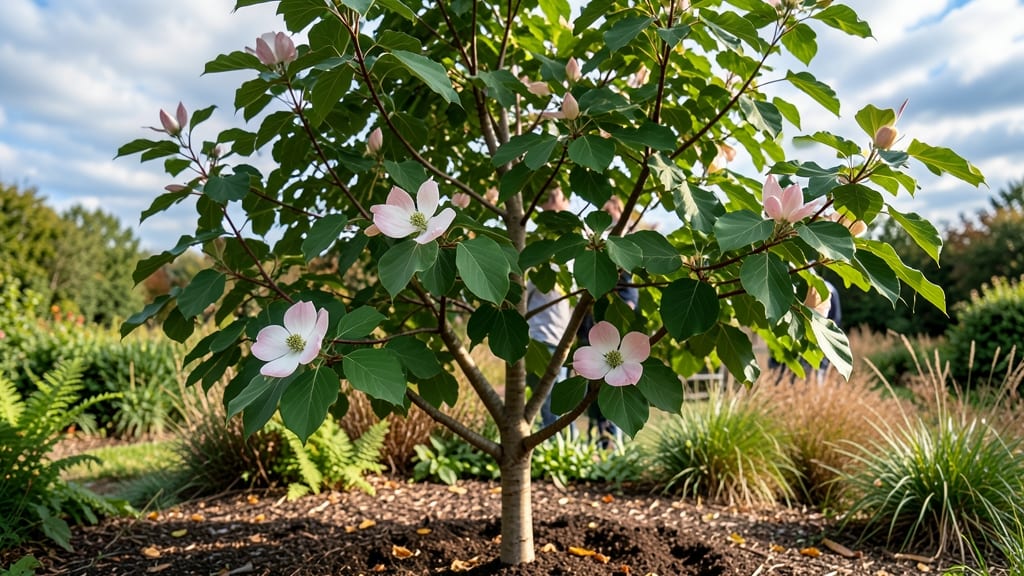
Dogwood trees grow to how tall does a dogwood tree grow heights of 15 to 30 feet at maturity, depending on the variety and growing conditions 🌳 — a range that can transform your garden from a cozy corner to a striking focal point.
If you're dreaming of a stunning shade tree with vibrant spring blooms but aren't sure how much space to dedicate, understanding dogwood tree height variations is your first step to perfect landscaping.
Some varieties stay compact, like the dwarf dogwoods that top out at 8 to 12 feet, while others like the classic Cornus florida can stretch toward 30 feet in ideal conditions. That means your choice could change how you design your yard entirely.
Below, I’ll break down the height ranges by variety, how climate zones affect growth, and simple pruning tips to keep your dogwood at your preferred height — whether you want it towering over a patio or just framing a flower bed.


Dogwood tree height by variety: from dwarf to giant species
Choosing a dogwood tree often comes down to one key question: how tall does a dogwood tree grow in your space? The answer varies dramatically between varieties, from compact dwarf types perfect for small yards to towering giants that anchor large landscapes.
For example, the 'Purple Smoke' dogwood stays modest at 15-20 feet, while the 'Cherokee Brave' can soar to 25-30 feet—a difference that could change your entire garden layout.
Understanding these height variations helps you select the perfect dogwood for your yard's scale. Whether you need a privacy screen, a shade provider, or a focal point, the right variety ensures your tree thrives without overwhelming your space.
Below, I’ll compare 12+ popular dogwood varieties, including their mature heights, growth habits, and ideal planting scenarios for your climate zone.
| Variety | Mature Height (ft) | Spread (ft) | Growth Rate | USDA Zones | Best For | ||||||||||||||||||
|---|---|---|---|---|---|---|---|---|---|---|---|---|---|---|---|---|---|---|---|---|---|---|---|
| 'Purple Smoke' | 15-20 | 12-15 | Moderate | 5-8 | Small yards, containers | ||||||||||||||||||
| 'Cherokee Brave' | 25-30 | 20-25 | Fast | 5-9 | Large landscapes, shade | ||||||||||||||||||
| 'Cornus florida' | 20-30 | 15-25 | Moderate | 5-9 | Traditional gardens | ||||||||||||||||||
| 'Cherokee Chief' | 15-20 | 12-15 | Slow | 5-9 | Urban gardens | ||||||||||||||||||
| 'Golden Glow' | 10-15 | 8-12 | Slow | 5-8 | Dwarf hedges | ||||||||||||||||||
| 'Cloud 9' | 8-12 | 6-10 | Slow | 5-8 | Containers, patios | ||||||||||||||||||
| 'Royal Purple' | 20-25 | 15-20 |
How climate zones affect dogwood tree growth heightYour dogwood tree's mature height isn't just about the variety you choose—it's heavily influenced by your USDA climate zone. In cooler northern zones like Zone 5, the classic Cornus florida often stretches to 30 feet, while in warmer Zone 7, the same tree might max out at 20 feet. These differences happen because temperature, sunlight exposure, and humidity all play critical roles in your tree's growth patterns. Higher elevations and cooler microclimates (like mountain regions) can also stunt growth, even within the same USDA zone. Meanwhile, urban heat islands often push dogwoods to grow taller and faster than their rural counterparts. Understanding these patterns helps you plan spacing and sunlight access before planting.
In Zone 3-4, dogwoods like Cornus florida grow taller because they take full advantage of their shorter growing seasons. The tree focuses energy on vertical growth rather than spreading branches. Meanwhile, in Zone 7-8, the longer growing season encourages wider canopies, keeping heights more compact. Humidity also plays a role—dogwoods in Zone 9-10 often suffer from fungal issues, which can stunt growth if not managed. Urban planting adds another layer of complexity. Heat-reflecting surfaces like pavement can push dogwoods to grow 10-15% taller in cities, while pollution and compacted soil may limit root expansion, affecting overall height. For rural areas, well-draining soil and open spaces allow dogwoods to reach their full genetic potential without competition. If you're planting in Zone 5 or 6, expect your Cornus florida to reach 25-30 feet with proper care, but in Zone 7 or higher, consider dwarf varieties like 'Cherokee Chief' (15-20 feet) to save space. Always check local microclimates—your backyard might have warmer pockets that affect growth differently than the general zone guidelines. For optimal height control, pair your dogwood with companion plants that provide shade in hot zones, like hydrangeas or azaleas. This helps manage growth while keeping your landscape balanced. Regular pruning can also adjust height naturally, but climate will always be the biggest factor in your tree's final stature. |