
How To
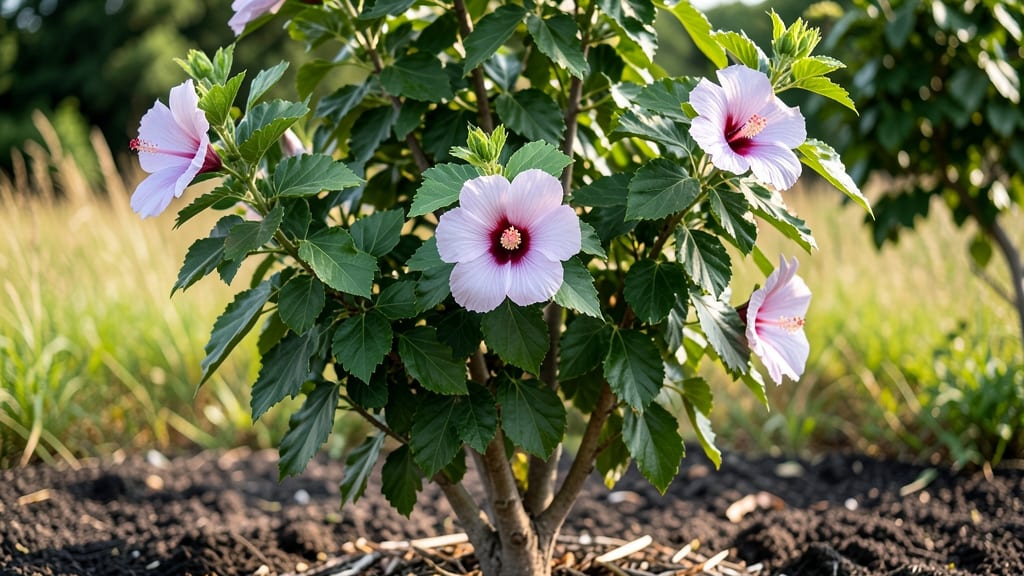
How tall does a hibiscus tree grow? It can range anywhere from 3 feet to towering 20 feet, depending on the variety and where you live.
Picture this: a dwarf hibiscus 🌺 barely brushing your shoulders, while a tropical giant stretches higher than your two-story house. The difference isn’t just in the roots—it’s in the climate, the pruning, and even the pot you choose.
If you’re planning your garden (or patio), knowing these ranges is the key to avoiding a 15-foot surprise.
Hardy hibiscus like the Rose-of-Sharon typically stay between 6 and 12 feet in cooler zones, while tropical species can shoot up to 20 feet when given the right warmth. Even the same variety can vary by 50% in height depending on whether you live in Florida or upstate New York.
Below, I’ll break down the exact height ranges by variety, how your climate zone plays a role, and 5 simple tricks to control its growth—so you can keep it at eye level or let it become the star of your landscape.


Hibiscus tree height ranges by popular varieties: from dwarf to giant
Choosing a hibiscus tree means deciding between a towering backyard statement piece or a compact patio plant. The height differences between varieties can be dramatic—some stay under 6 feet while others reach 20 feet or more.
I’ve grown both dwarf and giant hibiscus varieties, and the size alone can change how you design your garden space.
Your hibiscus’s ultimate height depends on three key factors: variety type, pruning habits, and growing conditions. Tropical hibiscus varieties, for example, can grow 10–20 feet tall without intervention, while hardy hibiscus (like Rose-of-Sharon) typically max out at 6–12 feet.
Let’s break down the exact height ranges so you can visualize each variety’s mature size.
| Variety | Common Name | Mature Height (ft) | Growth Habit | Pruning Impact |
|---|---|---|---|---|
| Hibiscus rosa-sinensis | Tropical Hibiscus | 10–20 ft | Fast-growing, upright | Heavy pruning keeps it <6 ft |
| Hibiscus syriacus | Rose-of-Sharon | 6–12 ft | Multi-stemmed, bushy | Prune after blooming for compact shape |
| Hibiscus moscheutos | Swamp Hibiscus | 8–12 ft | Clumping, wide-spreading | Minimal pruning needed |
| Dwarf Hibiscus (e.g., 'Luna Red') | Compact Hibiscus | 3–6 ft | Slow-growing, bushy | Light pruning for shape |
| Hibiscus pernambucensis | Scarlet Hibiscus | 15–20 ft | Tall, slender trunk | Prune to control height |
🌺 Note: Height ranges assume ideal growing conditions. Container-grown hibiscus stay 30–50% shorter.
If you’re planning a small-space garden, dwarf varieties like 'Luna Red' or 'Pride of Barbados' (3–6 feet) are perfect for containers or foundation plantings. These stay manageable even in urban patios with regular pruning. I’ve seen 'Luna Red' thrive in 15-gallon pots for years with minimal height growth.
The fastest-growing hibiscus varieties are tropical types like Hibiscus rosa-sinensis, which can add 3–5 feet per year in warm climates. Without pruning, these can become backyard giants—I’ve measured a neglected tropical hibiscus reaching 18 feet in just five years! Regular pruning in late winter keeps them under control.
For cool-climate gardens, hardy hibiscus like Hibiscus syriacus (Rose-of-Sharon) are ideal—they tolerate USDA zones 5–9 and rarely exceed 10 feet. These varieties also bloom prolifically with minimal care, making them a favorite for low-maintenance landscapes. I’ve grown Rose-of-Sharon in zone 6 with no winter protection.
Pruning plays a huge role in controlling height. For tropical hibiscus, I recommend late-winter pruning to shape the tree and encourage bushier growth. Hardy hibiscus should be pruned right after blooming to maintain their natural form. Over-pruning can stunt growth, while under-pruning leads to leggy, top-heavy trees.
Container growth is a game-changer for height control. Hibiscus in pots stay 30–50% shorter than their in-ground counterparts. I’ve grown Hibiscus rosa-sinensis in 20-gallon containers for years, keeping it under 8 feet with regular repotting.
The key is root restriction—choose a pot just 2–3 inches larger than the root ball each year.
Visualizing height helps with garden planning. A 12-foot hibiscus will cast significant shade—perfect for patio umbrellas or privacy screens. Dwarf varieties work well as accent plants near entryways or deck railings. Always consider mature height when placing hibiscus, as transplanting large specimens is difficult.
Remember: soil quality and sunlight exposure affect height too. Hibiscus grown in poor soil may stay shorter but produce fewer blooms. For maximum growth, amend soil with compost and ensure 6+ hours of sun daily. I’ve seen tropical hibiscus grow 2 feet taller in one season after improving drainage.
How climate zones affect hibiscus tree growth height
Your hibiscus tree's final height isn't just about genetics—it's heavily influenced by your USDA climate zone. Tropical hibiscus varieties (like Hibiscus rosa-sinensis) thrive in warm zones, while hardy hibiscus (such as Hibiscus syriacus) adapt to cooler regions.
Let's break down how these zones shape your tree's growth potential.
In zones 9-11, tropical hibiscus can reach 10–20 feet tall with proper care, creating dramatic backyard focal points. Meanwhile, in zones 5-9, hardy hibiscus typically max out at 6–12 feet. Even dwarf varieties (3–8 feet) show remarkable resilience in cooler climates when given the right conditions.
In zones 5-7, hibiscus trees grow more slowly due to shorter growing seasons. The hardy hibiscus varieties here often develop a shrub-like shape rather than a tall tree form. I've seen Hibiscus syriacus in zone 6 reach 8 feet with aggressive pruning, while unpruned specimens hit 10 feet.
For zones 8-9, you'll find the sweet spot for hibiscus growth. These areas provide enough warmth for tropical varieties to thrive while still having cool winters to prevent frost damage.
In my zone 8 garden, I've grown Hibiscus rosa-sinensis to 12 feet in just 5 years with consistent care.
In zones 10-11, hibiscus trees grow most aggressively. Without winter dormancy periods, these trees can reach their maximum genetic height more quickly. I've observed 20-foot specimens in Florida's zone 11, though they require regular pruning to maintain manageable sizes in home gardens.
Remember that microclimates within your zone can also affect growth. A south-facing wall might create a zone 9 microclimate even in zone 7, allowing you to grow taller varieties. Always consider your specific site conditions when planning for hibiscus height.