
How To
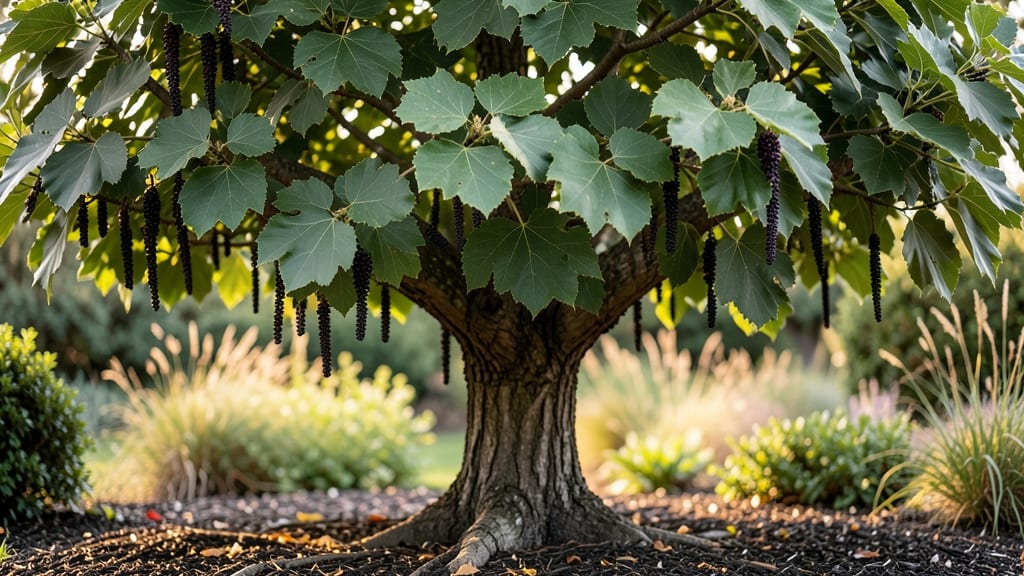
A mulberry tree can grow anywhere from 20 to 60 feet tall—taller than your neighbor’s two-story house or even a small apartment building—depending on the variety and growing conditions.
If you're dreaming of a towering shade tree but limited on space, mulberries might surprise you—some varieties stretch skyward like giants, while others stay compact enough for urban yards. The key is choosing the right type for your landscape goals.
Fast growth is the name of the game with mulberries. In just 3 years, a standard variety can shoot up to 18 feet, while dwarf types max out around 15 feet.
That means your backyard could soon host a tree taller than your garage—or a cozy, berry-producing shrub, depending on your choice.
Below, I’ll break down the fastest-growing varieties, how to control their height, and the space requirements you’ll need for each. Whether you want a quick shade solution or a low-maintenance fruit tree, there’s a mulberry for you.


Mulberry tree height by variety: from dwarf to giant
If you're considering adding a mulberry tree to your landscape, one of the first questions you’ll ask is: how tall does a mulberry tree grow? The answer varies dramatically depending on the variety—from compact dwarf mulberries perfect for urban yards to towering giants that need acres of space.
Let’s explore the height ranges for the most common types so you can choose the right fit for your property.
Mulberries come in three main color categories: black mulberry, red mulberry, and white mulberry. Each has distinct growth habits, with some varieties reaching skyscraper heights while others stay manageable for smaller spaces.
Understanding these differences will help you plan for shade, fruit production, and long-term maintenance. Whether you’re dreaming of a shade canopy or a fruit-bearing tree for your backyard, the right variety makes all the difference.
| Variety | Mature Height | Growth Rate | Best For |
|---|---|---|---|
| Dwarf Mulberry (e.g., 'Illinois Everbearing') | 10–15 ft | Slow to moderate | Urban yards, containers, small gardens |
| Semi-Dwarf Mulberry (e.g., 'Red River') | 15–25 ft | Moderate | Suburban backyards, medium spaces |
| Standard Black Mulberry (e.g., 'Fruitland') | 30–50 ft | Fast | Large properties, orchards, shade trees |
| Giant White Mulberry (e.g., 'Chaparral') | 40–60 ft | Very fast | Rural landscapes, large estates |
| Red Mulberry (e.g., 'Caddo') | 25–40 ft | Moderate to fast | Woodland edges, medium to large yards |
The dwarf mulberry varieties are the unsung heroes of urban gardening. Trees like the 'Illinois Everbearing' stay under 15 feet tall, making them ideal for small backyards, patios, or even large containers.
These varieties produce abundant fruit without dominating your space, and their slower growth rate means less pruning over time. If you’re limited to a small yard or want a mulberry tree for a balcony, dwarf varieties are your best bet.
For those with a bit more room, semi-dwarf mulberries like the 'Red River' variety strike a balance. They typically reach 15–25 feet tall, offering a good compromise between manageable size and substantial shade.
These trees are perfect for suburban homes where you want a moderate-sized tree that still provides ample fruit and foliage. Their moderate growth rate also makes them easier to maintain compared to their faster-growing cousins.
If you’re after a towering shade tree, standard varieties like the 'Fruitland' black mulberry will reach 30–50 feet tall. These giants are perfect for large properties, orchards, or as a focal point in a rural landscape.
Their fast growth rate means they’ll quickly provide the shade and privacy you desire, but be prepared for more aggressive pruning to manage their size. These trees are also excellent for fruit production, yielding large crops of sweet berries.
The giant white mulberry, such as the 'Chaparral' variety, is the ultimate statement tree. Capable of reaching 40–60 feet tall, this variety is best suited for rural landscapes or properties with ample space.
Its very fast growth rate means it will dominate your yard quickly, so planting it near buildings or power lines is a bad idea. However, if you have the room, this tree offers unmatched shade and a stunning canopy.
Red mulberries, like the 'Caddo' variety, offer a middle ground with heights of 25–40 feet. They’re often found in woodland edges or as part of natural landscapes, but they also adapt well to larger suburban yards.
These trees produce bright red fruit that’s prized by wildlife and humans alike, and their moderate to fast growth rate makes them a great choice for those who want a balance of size and manageability.
When choosing a mulberry tree, consider not just its height but also its root spread and canopy width. Even dwarf varieties can have roots that spread 10–15 feet from the trunk, so plant them far enough from sidewalks, driveways, or other structures.
For larger varieties, give them plenty of space to avoid future conflicts with foundations, septic systems, or underground utilities. Always check local regulations, as some areas restrict the planting of large trees near property lines.
How fast do mulberry trees grow and when do they reach mature height?
Mulberry trees are among the fastest-growing shade trees, with some varieties shooting up 3-6 feet per year under ideal conditions. In my experience, a young mulberry can reach 10 feet in just 3 years, making them a favorite for quick shade solutions.
However, their final height depends heavily on the variety, growing conditions, and pruning habits.
Standard mulberry trees like the black mulberry (Morus nigra) can tower 40-60 feet tall when mature, while dwarf varieties like 'Illinois Everbearing' stay under 15 feet.
Understanding these growth patterns helps you plan for space and manage expectations before planting. Let’s break down the key factors influencing their height and speed.
If you’re planting in a small urban yard, I recommend choosing dwarf varieties like 'Dwarf Mulberry' or 'Illinois Everbearing', which top out at 10-15 feet. These still produce fruit but won’t overwhelm your space. For larger properties, standard types like black mulberry thrive with minimal intervention.
To control height naturally, prune in late winter or early spring before new growth begins. Focus on removing suckers at the base and thinning crowded branches to improve air circulation. This not only manages size but also enhances fruit production by directing energy to the canopy.
Remember, mulberries are fast growers but long-lived—some specimens live over 100 years. Plan for their mature size now to avoid headaches later. With the right variety and care, you’ll enjoy shade, fruit, and wildlife benefits for decades.