
How To
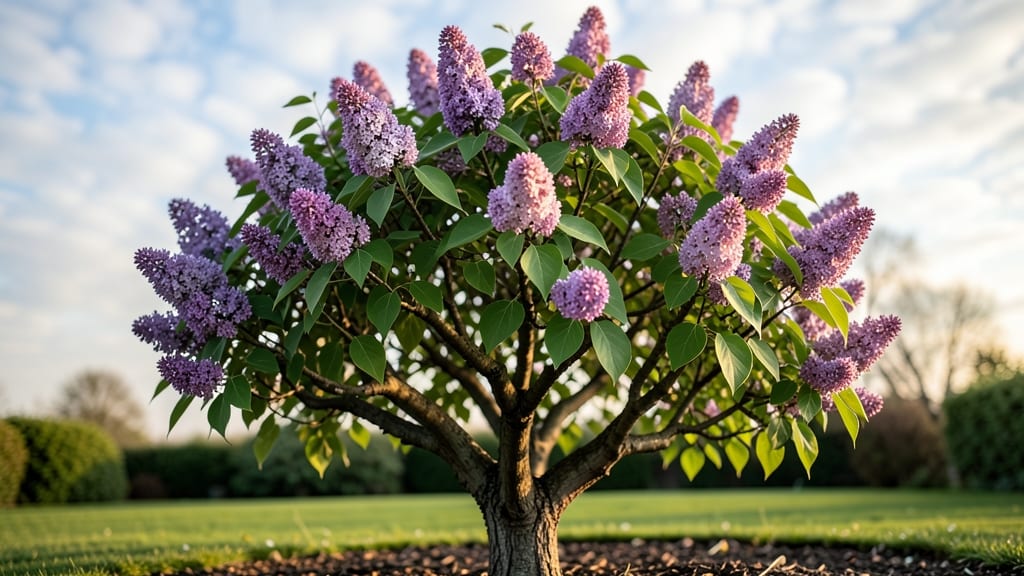
How tall a lilac tree grows depends on its variety and care, with mature heights typically ranging between 8 and 15 feet—but that doesn’t mean you’re stuck with a towering giant in your yard. 🌸
If you’re dreaming of fragrant purple blooms but wondering whether a lilac tree will tower over your backyard—or fit perfectly in your garden—you’re in the right place. The height of a lilac tree isn’t just about space; it’s about choosing the right variety and mastering pruning to shape its growth.
Some lilacs stay compact at just 4 to 6 feet, while others can reach 15 feet or more. The key is knowing which type suits your garden and how to control its growth over time.
Below, I’ll break down the height ranges by popular varieties, share pruning tips to keep your lilac at your desired size, and explain how climate and care can influence its growth rate.


Lilac tree height ranges by popular varieties (with mature sizes)
Choosing the right lilac variety is key to fitting its mature height into your garden. Some lilacs grow as tall as 15 feet, while dwarf varieties stay under 6 feet.
The difference comes down to genetics, pruning, and growing conditions. Let’s explore the most popular types and their height expectations so you can pick the perfect fit for your space.
Most lilacs reach their full height within 3 to 5 years, though growth slows after the first decade. Standard varieties like Syringa vulgaris can dominate a landscape, while dwarf lilacs are ideal for small yards or container gardening.
Understanding these ranges helps you plan spacing and pruning strategies from day one.
If you’re working with a small garden, Miss Kim Lilac or Dwarf Korean Lilac are your best bets—they top out at just 5 feet and thrive in containers.
For a statement plant, the Common Lilac or French Lilac deliver dramatic height and heavy fragrance, but they’ll need regular pruning to keep them in check.
The Korean Lilac is a versatile middle-ground option, offering moderate height (6–10 ft) and earlier blooms than common lilacs. It’s also more drought-tolerant, making it ideal for xeric landscapes. For urban gardens, its compact size and adaptability shine.
Spacing is critical for healthy growth. Plant standard lilacs at least 8–10 feet apart to allow airflow and prevent disease. Dwarf varieties can be spaced 3–5 feet apart, making them perfect for hedge rows or mass plantings.
Always check the cultivar’s specific needs—some, like Miss Kim Lilac, can handle tighter spacing.
One common misconception is that lilacs grow fast once established. While they sprout quickly in spring, their height increase slows after 5 years. For example, a Common Lilac might grow 3 feet in its first year but only 1 foot annually afterward.
Plan for this gradual growth when selecting a variety.
For container gardening, choose dwarf or semi-dwarf varieties like Miss Kim Lilac or Dwarf Korean Lilac. Use a large pot (18+ inches wide) with well-draining soil and prune annually to encourage bushier growth. Containers limit root expansion, so expect slightly slower growth than in-ground plants.
If you’re unsure about height control, opt for semi-dwarf varieties like Annabelle Lilac, which max out at 6–8 feet
How to control lilac tree height through pruning (step-by-step guide)
Pruning is the secret weapon for keeping your lilac tree at your desired height while encouraging lush, fragrant blooms. Without proper pruning, even dwarf varieties can grow unruly, while standard types may become towering giants.
The key is timing—prune at the right season and use the right techniques to shape growth without harming the plant.
Most gardeners make two common mistakes: pruning too late in the season or cutting back too aggressively. These errors can stunt flowering or even kill new growth. Instead, focus on seasonal pruning and selective cutting to maintain height and shape.
Let’s break it down into simple, actionable steps so you can keep your lilac tree thriving.
- 1 When: Late spring to early summer (May-June) after blooms fade.
- 2 What to do: Remove dead or crossing branches first using clean, sharp pruning shears.
- 3 Shape the canopy: Cut back 1/3 of last year’s growth to encourage bushier growth and control height.
- 4 Avoid cutting: Never prune green wood (new growth) or you’ll sacrifice next year’s flowers.
For dwarf lilacs (like 'Little Miss' or 'Minnesota Snowflake'), limit pruning to just removing dead wood and shaping lightly. These varieties naturally stay between 4-6 feet tall, so aggressive pruning can stress them.
Standard lilacs, however, need more frequent pruning to keep them under 8 feet if planted near walkways or patios.
Late summer or early fall is the second pruning window, but only for structural shaping. This is when you can remove any suckers or water sprouts that appear after the main flowering season.
Avoid heavy pruning now—focus on cleaning up the plant’s form. Always use sterilized tools to prevent disease spread between cuts.
One mistake I see often is pruning lilacs in fall or winter. This forces the tree to produce new growth that won’t harden off before cold weather, often killing tender shoots.
If you must prune outside the recommended windows, do so lightly in late winter (February) to remove only damaged branches, never to shape the plant.
Remember, lilacs thrive on consistency. Prune the same way each year, and your tree will reward you with vibrant blooms and a manageable height. With patience and the right techniques, even a 15-foot standard lilac can become a well-behaved, fragrant centerpiece in your garden. 🌸✂️🌿