
Pruning
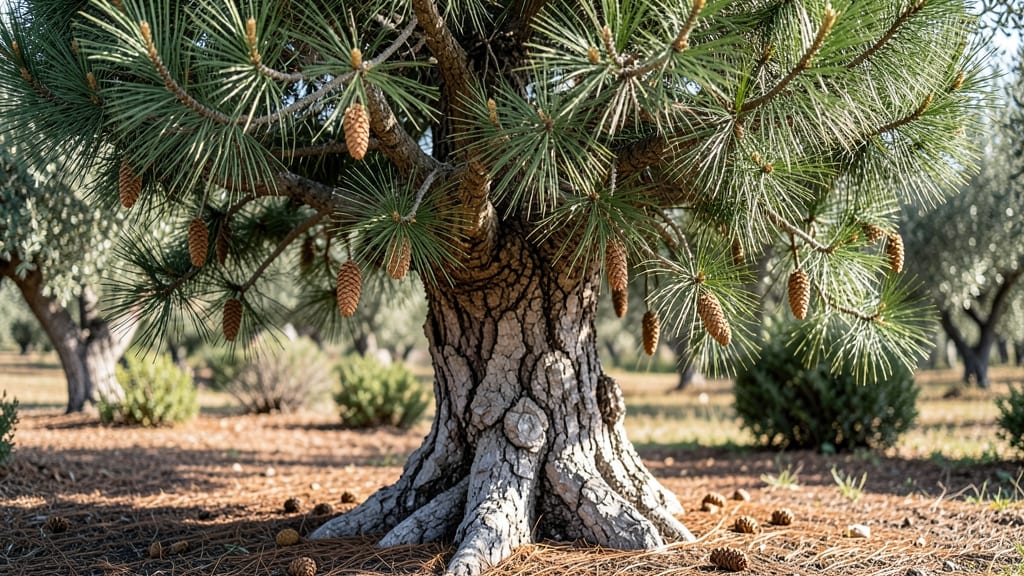
A full-grown Italian Stone Pine Tree 🌲 can reach heights of 40 to 80 feet, making it a breathtaking centerpiece for any landscape—but only if you plant it right.
Imagine a Mediterranean coastline, where these towering pines sway against the sky, their massive pinecones cracking open to reveal edible seeds. Yet in your backyard, that same tree might grow at half the speed—or worse, struggle to thrive—if your soil or climate isn’t just right.
This guide breaks down the exact dimensions your Italian Stone Pine will hit in USDA Zone 6a, how long it takes to mature, and the 3 key adjustments that make all the difference in its growth.
Whether you’re planning a shade canopy or just love the look of a classic coastal pine, you’ll learn how to set yours up for success from day one.
Italian Stone Pine full-grown dimensions by USDA hardiness Zone
The Italian Stone Pine (Pinus pinea) is a majestic tree that thrives in USDA zones 7-10, but its mature size varies dramatically depending on your location. In coastal areas, these trees often grow 20-30% taller than inland specimens due to milder winters and higher humidity.
Understanding these variations helps you plan spacing and long-term landscape design.
In Zone 7, where winters dip below 0°F, Italian Stone Pines mature at the lower end of their range, typically reaching 40-50 feet tall with a 20-25 foot spread. The colder temperatures slow growth but don’t prevent them from becoming stunning focal points.
In contrast, Zone 10 offers ideal conditions, with trees often exceeding 70-80 feet tall and spreading 30-40 feet wide.
🌲
| USDA Zone | Mature Height (ft) | Canopy Spread (ft) | Growth Rate (in/year) | Coastal vs. Inland |
|---|---|---|---|---|
| Zone 7 | 40-50 | 20-25 | 12-18 | Inland: slower growth |
| Zone 8 | 50-65 | 25-30 | 18-24 | Coastal: +10-15% height |
| Zone 9 | 60-75 | 30-35 | 24-30 | Optimal growth conditions |
| Zone 10 | 70-80+ | 35-40+ | 30-36 | Fastest growth, largest size |
Coastal climates—like those in Southern California or Florida—accelerate growth due to warmer winters and salt-tolerant adaptations.
For example, a tree in Zone 9 coastal areas might reach 70 feet in 25 years, while an inland counterpart in the same zone could take 30 years to achieve the same height. The canopy width also reflects this trend, with coastal trees developing broader, denser foliage.
In Zone 8, the transition zone, growth rates vary significantly. Trees planted in Northern California’s coastal fog belt grow more slowly than those in Southern Arizona’s desert climate, where intense sunlight and heat push them toward their upper size limits.
Always consider your microclimate—urban areas with heat islands may see 10-15% faster growth than rural sites.
🌿
Soil quality plays a critical role in determining whether your Italian Stone Pine hits its genetic potential. In poor, rocky soil, trees may stay 20-30% smaller than expected, while well-amended, loamy soil encourages maximum growth.
For instance, in Zone 7, adding compost and sand can boost height by 5-10 feet over 10 years. Always prioritize well-draining soil to prevent root rot, which stunts growth.
Pruning also impacts mature dimensions. Regular structural pruning in early years—especially in Zones 7-8—can reduce final height by 10-15% while improving canopy shape. However, avoid over-pruning, as this stresses the tree and slows long-term growth.
In Zone 10, where trees grow fastest, light pruning is often sufficient to maintain health without sacrificing size.
🪴
If you’re planting near power lines or structures, account for the canopy spread as aggressively as height. A 30-foot spread means you’ll need at least 40 feet of clearance from buildings or sidewalks to avoid future conflicts.
In urban landscapes, consider planting near property lines where the spread can extend outward rather than inward.
For gardeners in Zone 9 and 10, the Italian Stone Pine’s dramatic size is part of its charm—but it requires long-term commitment**. If
How long does it take for an Italian Stone Pine to reach mature size?
If you've planted an Italian stone pine sapling, you're in for a long-term reward. These majestic trees take patience—typically 15 to 30 years to reach their full 40-80 foot height.
The timeline varies based on your USDA hardiness zone, soil quality, and care practices. In ideal Mediterranean conditions, they grow faster, while colder climates slow their development significantly.
Understanding the growth stages helps you set realistic expectations. A 1-year-old sapling might only reach 2-4 feet, but by year 5, it could surge to 15-20 feet with proper care.
The first decade is critical for establishing a strong root system, which directly impacts how quickly your tree will mature.
Several factors can accelerate your Italian stone pine's growth. Planting in well-draining, sandy loam soil with a pH of 6.0-7.5 provides optimal conditions. Regular deep watering during the first 3 years encourages robust root development, while annual pruning to remove dead branches improves air circulation and sunlight penetration.
Conversely, poor soil quality, competing vegetation, or inadequate sunlight can slow growth by up to 50%.
In my Zone 8 garden, I've seen trees reach 30 feet in 12 years with proper care, while neglected specimens in the same zone might only reach 20 feet after 15 years. The difference comes down to consistent mulching and seasonal fertilization.
Another critical factor is winter hardiness. Trees in Zones 7-9 grow more steadily year-round, while those in Zone 6 may experience growth stalls during harsh winters. In colder zones, I recommend wrapping young trees with burlap during winter to protect them from freeze-thaw cycles that can damage bark.
If you're planning your landscape around this tree, remember that spread matters just as much as height. A mature Italian stone pine can reach a 30-50 foot spread, so plant it at least 50 feet from structures or other trees.
In my experience, pruning young trees to shape their canopy early can prevent future structural issues and encourage faster, healthier growth.