
Container Gardens
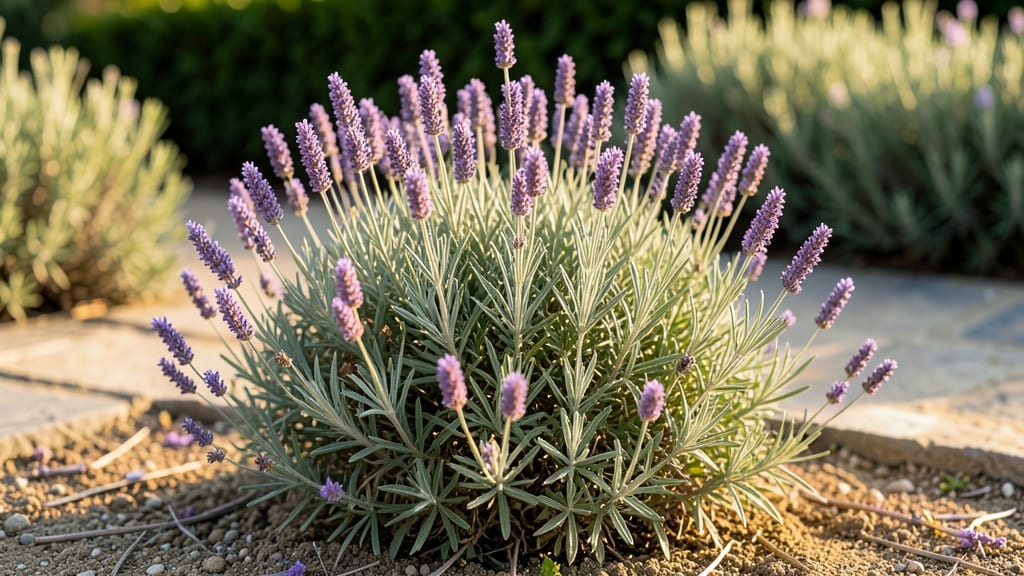
A lavender tree potted can transform any patio into a fragrant oasis—no yard required. 🌿 I’ve grown mine in containers for years, and the secret isn’t just the right soil or sunlight, but the way it turns a small space into a sensory escape.
The key? Choosing the right variety (like the compact Lavandula angustifolia) and giving it the drainage it craves. Most people overwater or pick the wrong pot, but lavender thrives in well-draining soil and a container with drainage holes—at least 12 inches deep for mature plants.
I use a mix of cactus soil, perlite, and a handful of sand to keep roots happy. Prune lightly after blooming to encourage bushier growth, and watch as those silvery-green branches fill your space with a calming aroma.
By summer, your potted lavender will be bursting with purple blooms and smelling like a Provençal countryside. The best part? It’s drought-tolerant once established, so forget the watering schedule—just let the soil dry between drinks. Even in winter, a little mulch keeps it cozy.
Whether you’re on a balcony or a sunny windowsill, this fragrant beauty adapts. Just avoid soggy soil and harsh winds, and your potted lavender will reward you with years of effortless elegance. Ready to get started?
📚 In This Guide
- What you need
- Instructions
- Tips and common mistakes
- Wrapping up and next steps
What you need
- ● Potted Lavender Tree: 1 English lavender (Lavandula angustifolia) or French lavender (Lavandula dentata)—choose a dwarf variety (12–18" tall) for containers.
- ● Ensure it’s healthy, with no yellowing leaves or pests.
- ● Container: 1 terracotta or ceramic pot (12–18" diameter) with drainage holes (lavender hates soggy roots!).
- ○ Optional: Add a saucer or cache pot for aesthetics and water catch.
- ● Potting Mix: 1 bag well-draining cactus/succulent mix or a blend of: 60% potting soil
- ● 30% perlite or coarse sand
- ● 10% compost or worm castings (for nutrients).
- ● Drainage Layer: 1–2 inches of gravel, pebbles, or broken pottery shards (to prevent root rot).
- ● Pruning Tools: 1 pair sharp bypass pruners (sterilized with rubbing alcohol).
- ● 1 hand pruner for smaller trims.
- ● Watering Can or Hose: 1 spray nozzle attachment (for gentle watering).
- ● Fertilizer: 1 slow-release granular fertilizer (low in nitrogen, like 5-10-5) or liquid seaweed extract for a gentle boost.
- ● Mulch: Gravel or decorative stones (to retain moisture and add flair).
- ● Support: 1 small bamboo stake or trellis (if your lavender grows tall or leggy).
- ● Pest Control: Neem oil or insecticidal soap (preventative measure for aphids or spider mites).
- ● Sunlight Gauge: 1 sunlight meter or app (to track 6+ hours of full sun daily).
Step-by-step instructions for potting a lavender tree
Here's how to create a fragrant, low-maintenance centerpiece that thrives in containers.
🪴 Step 1: Select the Right Container and Drainage
Choose a pot with drainage holes at least 12-14 inches deep and wide enough to accommodate mature roots—18-24 inches in diameter for a small lavender tree. I prefer terracotta because it breathes and prevents root rot, but glazed ceramic works too as long as it drains well. Place a 2-3 inch layer of gravel or broken pottery in the bottom to create an air gap that prevents waterlogging.
Lavender hates soggy roots, so this drainage layer is non-negotiable. If your pot lacks holes, drill them yourself—just don’t skip this. The gravel also helps regulate soil temperature, which lavender loves staying cool at the roots while warm at the surface.
🌱 Step 2: Prepare the Soil Mix for Optimal Growth
Fill the pot with a blend of 50% potting soil, 30% coarse sand or perlite, and 20% compost. This mix ensures excellent drainage while retaining enough moisture to prevent wilting. I avoid garden soil—it compacts in containers and suffocates roots. Tap the pot gently to settle the soil without compacting it too tightly.
Lavender thrives in slightly alkaline soil, so if your tap water is acidic, mix in a handful of crushed limestone or use rainwater. The soil should feel like a damp sponge when squeezed—if it crumbles, add a bit more moisture. A 1-inch layer of gravel on top helps keep the soil surface dry, which prevents fungal issues.
☀️ Step 3: Plant and Position for Full Sun Exposure
Dig a hole in the center of the pot, just deep enough to accommodate the root ball without burying the base of the trunk. Gently remove the lavender from its nursery pot and loosen any circling roots with your fingers. Place the plant in the hole and backfill with soil, pressing lightly around the edges to eliminate air pockets. Water deeply until it drains from the bottom.
Lavender needs 6-8 hours of direct sunlight daily to thrive. Position your pot in the sunniest spot possible—south or west-facing is ideal. If you’re using a balcony or patio, rotate the pot a quarter turn weekly so the plant grows evenly. You’ll notice new growth leaning toward the light if it’s not getting enough sun.
💧 Step 4: Water and Maintain for Long-Term Health
Water lavender only when the top 2 inches of soil feel dry. Overwatering is the fastest way to kill a potted lavender—it’s drought-tolerant once established. I use a watering can with a narrow spout to direct moisture to the root zone, avoiding the foliage. After watering, let excess drain completely before placing the pot back in its saucer.
Feed your lavender tree with a balanced, water-soluble fertilizer diluted to half-strength every 4-6 weeks during the growing season (spring to early fall). Skip fertilizer in winter—lavender goes dormant and doesn’t need extra nutrients. Prune lightly after flowering to encourage bushier growth, but never cut into old wood.
✂️ Step 5: Prune and Overwinter for Next Year’s Blooms
After the first flush of flowers fades, trim back the stems by one-third using sharp shears. This encourages a second, lighter bloom cycle and keeps the shape tidy. Avoid heavy pruning in late summer—new growth won’t harden off before winter. I also remove any dead or diseased branches immediately to prevent spread.
For winter care, move the pot to a sheltered spot if temperatures drop below 15°F. Lavender can handle light frost, but protection from wind and heavy rain extends its life. Reduce watering significantly in winter—only enough to keep the soil from drying out completely. With proper care, your potted lavender will reward you with fragrant blooms for years.
Tips & tricks for perfect potted lavender trees
These simple strategies will help your lavender thrive in containers and stay fragrant for years.
Container Selection: The right pot makes all the difference. While terracotta is ideal, glazed ceramic works if it drains well. I've found that containers with a diameter of at least 18-24 inches give roots enough room to spread without becoming root-bound. For extra insurance, add a 2-3 inch gravel layer at the bottom—this prevents waterlogging and mimics the well-draining conditions lavender loves in its Mediterranean homeland.
Soil Mix Secrets: Don't skimp on the sand or perlite—this isn't just about drainage, it's about aeration. I've learned the hard way that garden soil compacts in containers and suffocates roots. The 50-30-20 mix (potting soil, sand/perlite, compost) creates perfect conditions. Pro tip: Add a handful of crushed limestone if your water is acidic—lavender thrives in slightly alkaline soil, and this small adjustment makes a big difference in plant health.
Sunlight Strategy: That 6-8 hours of direct sunlight is non-negotiable, but here's what I've discovered: Morning sun is gentler than afternoon heat, so positioning your pot to catch eastern sun is ideal. If you're on a balcony, rotate the pot a quarter turn weekly—this prevents lopsided growth as the plant naturally reaches toward the light. You'll notice new growth leaning toward the sun if it's not getting enough light, which is your plant's way of telling you it needs to move.
Winter Care: When temperatures drop below 15°F, don't panic—lavender can handle light frost, but protection from wind and heavy rain extends its life dramatically. I move my potted lavender to a sheltered spot like a covered porch or against a south-facing wall. The key is reducing watering significantly—only enough to prevent the soil from drying out completely. This dormancy period actually helps the plant store energy for next year's blooms.
Pro Tips for Lavender Tree Potted
- These simple strategies will help your lavender thrive in containers and stay fragrant for years.
- Container Selection: The right pot makes all the difference.
- Soil Mix Secrets: Don't skimp on the sand or perlite—this isn't just about drainage, it's about aeration.
Frequently asked questions
Got questions about keeping your lavender tree potted thriving? Here are some of the most common ones—plus expert answers to help you grow a fragrant, healthy plant with ease!
How often should I water my potted lavender tree?
Water your potted lavender sparingly—only when the top 1-2 inches of soil feel completely dry. Overwatering is the #1 killer! Aim for about once a week in summer (or less in winter), and always ensure the pot has drainage holes. Pro tip: Stick your finger in the soil—if it’s damp, wait!
Can a lavender tree survive winter in a pot?
Yes, but with care! Move your potted lavender to a sheltered, sunny spot (like a garage or under an eave) before frost hits. Mulch the soil lightly with pebbles or straw to insulate roots. If temps drop below 10°F (-12°C), wrap the pot in burlap or use a frost blanket for extra protection.
What’s the best soil mix for a potted lavender tree?
Lavender thrives in well-draining, slightly alkaline soil. Mix 50% potting soil with 50% perlite or coarse sand to prevent soggy roots. Avoid rich garden soil—it’ll smother your plant! A pH of 6.5–7.5 is ideal. Bonus: Add a handful of crushed eggshells for extra calcium!
Why are the leaves on my potted lavender turning yellow?
Yellow leaves usually mean overwatering or poor drainage. Check for:
- Soggy soil – Let it dry out completely between waterings.
- No drainage holes – Repot into a container with holes ASAP.
- Fungal issues – Trim affected leaves and avoid wetting foliage.
Can I grow a lavender tree indoors?
Lavender can live indoors, but it needs bright light (6+ hours/day) and a sunny windowsill (south-facing is best). If natural light is lacking, supplement with a grow light. Expect slower growth and less fragrance than outdoor plants. Warning: Avoid drafts from AC vents or heaters—they stress lavender!
How do I prune a potted lavender tree?
Prune right after flowering (late spring/early summer) to encourage bushiness. Use clean shears to trim back 1/3 of the new growth, focusing on woody stems. Never prune old wood—it won’t regrow! Shape lightly for a fuller look, and avoid cutting into bare stems. Pro move: Harvest sprigs for sachets or cooking!
Wrapping up and next steps
Growing a lavender tree in a pot is a rewarding way to bring fragrant beauty to even the smallest spaces—whether it’s a cozy balcony, a sunny patio, or a stylish windowsill. 🌿 With the right soil, sunlight, and care, you’ll enjoy its soothing scent and striking purple blooms for years.
Ready to elevate your outdoor (or indoor!) garden?
Your next step? Pick your favorite lavender variety, gather your supplies, and get planting! And don’t forget to share your progress—we’d love to see your fragrant potted paradise. 🌸