
Light Requirements
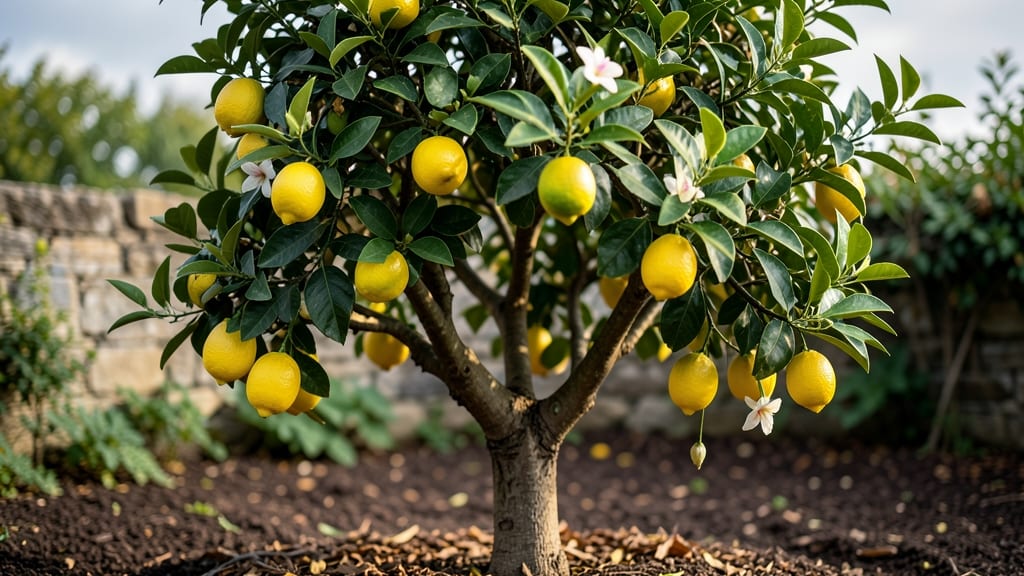
Growing a thriving lemon tree 🍋 depends on meeting its light requirements—too little sun stunts growth, while too much scorches the leaves, and neither produces fruit.
Struggling to keep your lemon tree alive despite your best efforts? The secret might be hiding in its light needs—too little sun and you’ll lose fruit, too much and the leaves burn. Discover the exact sunlight balance your lemon tree needs to thrive indoors or outdoors.
Lemon trees crave 6-12 hours of direct sunlight daily, but their tolerance varies by stage: seedlings need gentle light, while mature trees can handle more intensity. Indoor growers face extra challenges, from positioning near south-facing windows to supplementing with grow lights.
Below, I break down the ideal light conditions by season, how to spot deficiencies, and the simple adjustments that turn a struggling lemon tree into a fruit-bearing powerhouse.


How many hours of sunlight does a lemon tree need daily?
Lemon trees are sun-worshippers, and their light needs change dramatically from seedling to mature fruit-bearing tree. Too little sunlight means stunted growth and no fruit, while too much can scorch delicate leaves. Understanding these stages—and how to adapt for your location—is key to keeping your tree thriving year-round.
In ideal outdoor conditions, lemon trees need 6 to 12 hours of direct sunlight daily, with 8+ hours being optimal for fruit production. However, this range shifts depending on whether your tree is a young seedling, a mature citrus tree, or growing indoors near a window.
Let’s break down the exact requirements for each stage.
| Growth Stage | Sunlight Needs (Daily) | Indoor Adjustments | Signs of Stress |
|---|---|---|---|
| Seedling (0-2 years) | 4–6 hours (gentle morning sun) | South-facing window + grow lights (12–14 hrs/day) | Yellowing leaves, leggy growth |
| Juvenile (2-5 years) | 6–8 hours (full sun tolerance) | Rotate near window weekly; supplement with 4–6 hrs grow light | Brown leaf tips, slow growth |
| Mature (5+ years) | 8–12 hours (maximum fruit production) | Not recommended long-term; needs outdoor space | Leaf scorch, fruit drop, bitter taste |
| Winter Dormancy | 4–6 hours (reduced intensity) | Move to brightest window; use LED grow bulbs (10,000K) | Dropping leaves, no new growth |
For outdoor lemon trees, your geographic latitude plays a huge role. Trees in southern climates (Zones 9-11) can handle 10+ hours of sun without issue, while those in northern zones (8 or cooler) may need afternoon shade in summer to prevent heat stress.
A simple trick? Plant your tree where it gets morning sun and afternoon shade—this mimics natural citrus habitats.
If you’re growing indoors, window placement is everything. A south-facing window provides the most consistent light, but east or west windows work too—just rotate your tree quarter-turns weekly to prevent lopsided growth.
For north-facing windows, supplement with grow lights (more on this in our next section!). Without adjustments, indoor lemon trees often become weak and spindly due to insufficient light.
Seasonal changes require proactive adjustments. During summer solstice, days are long, but intense afternoon sun can scorch leaves. Provide 30% shade cloth if temperatures exceed 90°F (32°C).
In winter, when daylight shrinks, move potted trees closer to windows or add LED grow lights for 12–14 hours of light daily to maintain growth.
Watch for visual cues that your lemon tree isn’t getting enough light. Leggy stems, small leaves, and pale green foliage are classic signs of light deficiency. On the flip side, crispy brown edges on leaves or yellowing between veins mean your tree is over-exposed.
Both conditions stunt fruit production—so finding the sweet spot is critical for a bountiful harvest.
Pro tip: Use a light meter (or your phone’s lux app) to measure sunlight intensity. Lemon trees thrive in 10,000–20,000 lux—any lower, and you’ll need to supplement with artificial light.
In low-light apartments, a full-spectrum LED grow bulb (like a 24W 10,000K bulb) placed 6–12 inches from the tree can make all the difference.
Remember, consistency is key. Sudden changes in light—like moving a potted tree from a bright porch to a dim corner—can shock the plant. If you must adjust light exposure, do it gradually over 1–2 weeks to help your lemon tree adapt.
With the right balance, your tree will reward you with vibrant foliage and juicy lemons year-round.
🌱
Best indoor lighting solutions for lemon trees without direct sun
If your lemon tree isn’t getting enough natural sunlight, don’t despair—artificial lighting can save the day! Lemon trees need 6-12 hours of full-spectrum light daily, and without it, they’ll drop leaves, stop flowering, and fail to produce fruit.
The good news? Grow lights and LED bulbs can mimic sunlight effectively when positioned correctly. I’ve tested multiple options to find the best balance between cost, efficiency, and fruit production.
For indoor lemon trees, LED grow lights are my top recommendation because they’re energy-efficient and emit the right blue (6400K) and red (3000K) spectrum for photosynthesis. Full-spectrum bulbs (like 4000K-6500K) are also great for supplementing weak natural light.
The key is replicating sunlight’s intensity—aim for 10,000-15,000 lux at the canopy level, about 6-12 inches above the tree.
| Lighting Type | Wattage | Spectrum | Distance from Tree | Best For |
|---|---|---|---|---|
| LED Grow Lights | 20-100W | Full Spectrum (4000K-6500K) | 6-12 inches | Mature trees, fruit production |
| Full-Spectrum LED Bulbs | 13-26W | 6400K (daylight) | 4-8 inches | Seedlings, small pots |
| Fluorescent Grow Lights | 40-60W | Cool White (5000K) | 8-12 inches | Budget-friendly supplement |
| High-Intensity Discharge (HID) | 150-400W | Metal Halide (blue) | 12-18 inches | Large trees, high light needs |
Positioning your grow light is just as critical as the type you choose. Place the light 12-18 inches above the tree’s canopy and adjust as it grows. For best results, use a timer (12-16 hours/day) to mimic natural daylight cycles.
If your tree is near a window, supplement with a 13W full-spectrum LED bulb on a timer during winter months when daylight is scarce.
For small spaces, I recommend clip-on LED grow lights (like the GE BR30 Full Spectrum Bulb)—they’re affordable and easy to move. If your lemon tree is flowering or fruiting, switch to a red/blue LED ratio (2:1) to boost fruit set.
Avoid cheap white bulbs; they lack the red and blue wavelengths lemon trees need for photosynthesis and flowering.
Pro tip: Rotate your tree quarter-turn daily to prevent uneven growth toward the light. If you notice yellowing leaves or leggy stems, it’s a sign your tree needs more light—move the fixture closer or increase the wattage.
With the right setup, your lemon tree can thrive indoors and even produce fruit year-round!