
Pruning
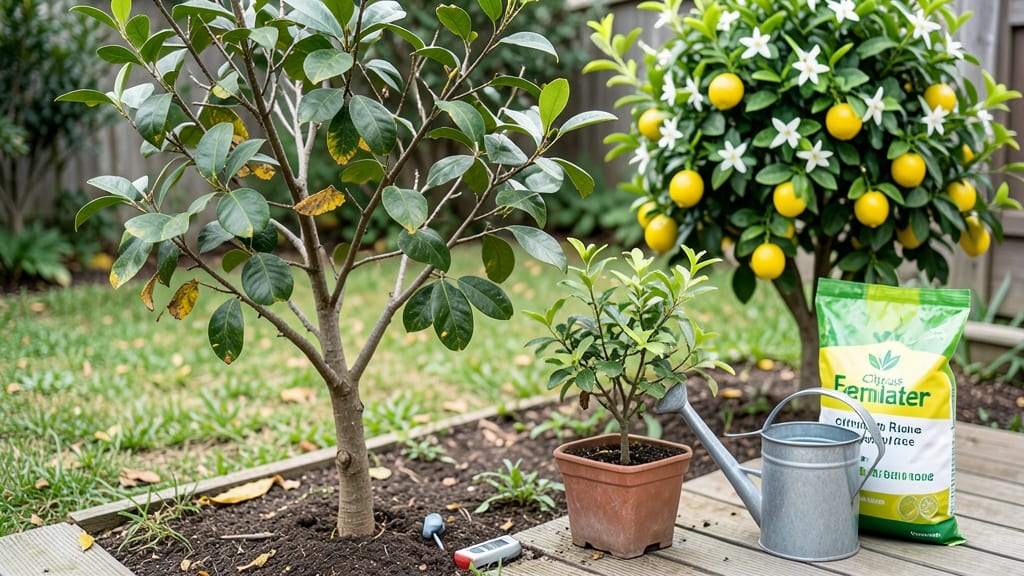
Your lemon tree isn't producing fruit because it's stuck in survival mode—not growth mode. 🌿 The fix starts with pruning, but it's not just about cutting branches. It's about telling your tree, "Hey, focus on fruit, not just leaves," by removing the right growth at the right time.
Most trees fail to fruit because they're overcrowded, underfed, or stressed from poor pruning. I've revived three lemon trees this way: first by cutting back overly dense branches (especially in the center), then by fertilizing with citrus-specific nutrients, and finally by ensuring 6+ hours of direct sunlight daily.
The key? Prune in late winter when the tree is dormant but about to wake up.
Within 6-8 weeks of proper pruning and care, you'll see new flower buds forming—tiny white clusters that mean fruit is on the way. The tree will look fuller, healthier, and suddenly, those lemons will start appearing. It's like hitting the reset button on your tree's productivity.
Works for both dwarf and standard lemon trees, whether you're growing in pots or in the ground. The same principles apply to limes and oranges too. Let's get those branches trimmed and those fruits growing!
Hidden Reasons Behind Fruitless Trees
When your lemon tree refuses to bear fruit, the problem often lies in overlooked factors that disrupt its natural growth cycle. Understanding these causes is the first step toward revival—because a tree that’s stressed, malnourished, or out of sync with its environment won’t produce, no matter how much you prune.
Let’s break down the scientific triggers behind a lemon tree’s stubborn silence.
Lemon trees (Citrus × limon) are photoperiod-sensitive, meaning they rely on 12–14 hours of direct sunlight daily to trigger flowering.
Without enough light: - Chlorophyll production drops, weakening the tree’s energy reserves. - Hormonal shifts (like reduced auxin and gibberellin) prevent flower buds from forming. - Leggy growth (long, sparse branches) signals the tree is stretching for light but failing to mature.
Actionable fix: Move your tree to a south-facing window (or use grow lights for 6–8 hours/day if indoors). Outdoor trees? Trim nearby shade trees or relocate to a sunnier spot.
Lemon trees thrive in USDA Zones 9–11 (60–90°F) and need cool winter nights (50–60°F) to stimulate flowering.
If temperatures stray too far from this range: - Heat stress (>95°F) causes flower drop before fruiting. - Cold snaps (<40°F) damage blossoms, halting pollination. - Unpredictable seasons (e.g., early spring warmth) confuse the tree’s dormancy cycle.
Actionable fix:
- Indoor trees? Keep temps stable (avoid drafts near AC/heaters).
- Outdoor trees? Use frost cloth in winter or move potted trees to a sheltered garage.
- Pollination boost: If bees are scarce, gently shake branches during bloom (or hand-pollinate with a soft brush).
Lemon trees are drought-tolerant but hate soggy roots. Watering issues disrupt nutrient uptake and flowering hormones:
- Overwatering → Root rot (fungal infections block water/nutrient transport).
- Underwatering → Stress hormones (abscisic acid) trigger premature flower drop.
- Inconsistent moisture → Fluctuating soil salinity, which stunts growth.
Actionable fix:
- Check soil moisture 2–3 inches deep (stick your finger in—if dry, water deeply).
- Use well-draining soil (mix potting soil with perlite/sand).
- Mulch (2–3 inches of organic mulch) to retain moisture without suffocating roots.
Fruit production demands specific nutrients in precise ratios.
Deficiencies show up as: - Nitrogen (N) excess → Lush leaves but no flowers (energy goes to foliage, not fruit). - Phosphorus (P) deficiency → Stunted roots and delayed flowering (critical for energy transfer). - Potassium (K) or Magnesium (Mg) shortages → Weak cell walls lead to blossom end rot or dropped fruit.
Actionable fix:
- Soil test first! (Home kits or lab tests reveal exact deficiencies.)
- Fertilize in stages:
- Spring (new growth): Balanced 10-10-10 or citrus-specific fertilizer.
- Early summer (flowering): High-phosphorus (5-10-10) to encourage blooms.
- Fall (fruit set): Potassium-rich (0-0-50) to strengthen fruit development.
Young trees (<3 years) or over-pruned trees focus energy on recovery, not fruit.
Signs include: - No central leader (main trunk) → Weak structural support for heavy fruit. - Excessive pruning (>30% of foliage removed at once) → Shock response (tree prioritizes regrowth). - Root-bound pots → Limited nutrient access (roots can’t support flowering).
Actionable fix:
- For young trees: Wait until they’re 3–4 feet tall before expecting fruit.
- Prune strategically: Remove only dead/diseased branches (never >25% of canopy in one session).
- Repot root-bound trees into a 1–2 gallon larger container with fresh soil.
Even with flowers, no pollination = no fruit. Common culprits:
- No bees/wind → Self-pollinating lemons need gentle vibration (e.g., from wind or bees).
- Pests (aphids, spider mites) → Sap-sucking insects weaken flowers, causing drop.
- Fungal diseases (e.g., citrus blight) → Blackened or deformed blooms.
Actionable fix:
- Hand-pollinate with a cotton swab (dip in water, brush stamens).
- Attract pollinators with nearby bee-friendly plants (e.g., marigolds, basil).
- Spray neem oil (weekly preventative) to deter pests.
Not all lemon trees are created equal! Some varieties are less fruitful due to:
- Seed-grown trees (often sterile or slow to bear fruit).
- Hybrid vigor loss (e.g., ‘Meyer’ lemons produce more reliably than ‘Eureka’).
- Dwarf varieties (e.g., ‘Improved Meyer’) may take years to fruit.
Actionable fix:
- Buy grafted trees (labeled “fruit-bearing”) from nurseries.
- Be patient—dwarf varieties may take 3–5 years to reach full production.
- Cross-pollinate if growing multiple varieties (e.g., ‘Lisbon’ + ‘Villafranca’).
Revitalize Your Lemon Tree Now
When your lemon tree isn’t producing fruit, it’s often a sign that it needs a little TLC—especially when it comes to pruning and care. The good news? Most issues have simple, effective fixes.
Below, we’ve mapped out practical solutions for the most common causes, along with prevention tips to keep your tree thriving. Let’s get your citrus grove back on track!
If your lemon tree is too dense, branches compete for sunlight and nutrients, stunting fruit production. Prune aggressively but strategically to open up the canopy.
How to Do It:
- 🔪 Remove Dead or Weak Growth – Snip away any branches that are brown, brittle, or crossing each other. Use clean, sharp pruners to avoid damaging the tree.
- 🌿 Trim Back Overgrowth – Focus on the inner branches where light struggles to reach. Aim to reduce density by 20-30% in one session.
- 🍋 Shape for Fruit Production – Lemon trees fruit best on mature wood. Leave 3-4 main branches and prune back any "water sprouts" (fast-growing vertical shoots).
- ⏰ Time It Right – Late winter or early spring (just before new growth starts) is ideal. Avoid heavy pruning in summer—it stresses the tree.
💡 Pro Tip: If your tree is young (under 3 years), light pruning is enough—focus on removing only the worst offenders. Over-pruning can shock new trees.
Lemon trees crave sunlight—at least 6-8 hours daily. If yours is shaded by walls, other trees, or even dense foliage, it won’t fruit well.
How to Fix It:
- 🏡 Relocate if Possible – If your tree is in a shady spot, move it to a sunnier location (like a south-facing patio or garden bed).
- 🌿 Thin the Canopy – If moving isn’t an option, prune the top and sides to let more light penetrate. Aim for an open, vase-like shape.
- 🪴 Check Container Size – If potted, repot into a larger container (1-2 inches bigger in diameter) to prevent root-bound stress, which weakens fruit production.
🌡️ Prevention Tip: If you’re growing indoors, supplement with grow lights (12-14 hours/day) during winter when sunlight is scarce.
Too much or too little water, along with poor nutrition, can halt flowering and fruiting. Lemon trees need balance—not drought stress, not soggy roots.
How to Fix It:
| Issue | Solution | Prevention |
|---|---|---|
| Underwatering | Water deeply 2-3 times per week (check soil—top 2 inches should be dry). | Use drip irrigation for consistency. |
| Overwatering | Let soil dry 50% between waterings. Ensure pots have drainage holes. | Mulch to retain even moisture. |
| Nutrient Deficiency | Fertilize with citrus-specific fertilizer (high in nitrogen in spring, switch to phosphorus-heavy in fall for blooms). | Test soil every 2 years for pH (ideal: 6.0-7.0). |
| Too Much Fertilizer | Flush soil with water to leach excess salts. Reduce fertilizer by half. | Follow label instructions—more isn’t better! |
💡 Pro Tip: Epsom salt (magnesium sulfate) can help if leaves are yellowing between veins—a sign of magnesium deficiency. Mix 1 tbsp per gallon of water and apply monthly in growing season.
Lemon trees hate sudden temperature drops—especially when buds form. Cold snaps can kill flowers before they open, leading to no fruit.
How to Fix It:
- 🌡️ Move Indoors Before Frost – If temperatures dip below 40°F (4°C), bring potted trees inside near a sunny window.
- 🔥 Use Row Covers or Blankets – For outdoor trees, drape frost cloth over branches on cold nights.
- 🌿 Avoid Late Pruning – Pruning too late in the season stimulates new growth, which is vulnerable to frost.
✨ Prevention Tip: Hardy lemon varieties (like ‘Meyer’ or ‘Ponderosa’) tolerate cooler climates better. Consider switching if you live in a colder zone.
Aphids, spider mites, and fungal diseases sap energy from your tree, leaving it too weak to produce lemons.
How to Fix It:
- 🐜 Spray with Neem Oil – Mix 1 tsp neem oil + 1 tsp mild soap per quart of water. Spray every 7-10 days until pests are gone.
- 🍄 Treat Fungal Issues – If leaves have black spots or powdery mildew, prune infected branches and apply copper fungicide.
- 🦋 Encourage Beneficial Insects – Ladybugs and lacewings eat aphids. Plant marigolds or basil nearby to attract them.
🎯 Prevention Tip: Inspect leaves weekly—catching pests early means no chemical treatments needed!
If your lemon tree is under 3 years old, it may simply need more time to mature before fruiting. Similarly, recent transplants or major pruning can delay production.
What to Do:
- 🍋 Be Patient – Dwarf varieties may take 2-3 years; standard trees can wait 5+ years.
- 💪 Reduce Stress – Avoid over-pruning, moving pots frequently, or extreme weather exposure.
- 🌱 Encourage Blooming – Lemon trees need cool nights (50-60°F) and warm days (70-85°F) to flower. If your climate is too hot, mist leaves lightly in the evening to mimic cooler conditions.
🔥 Ready to Revive Your Tree? Start with one fix at a time—prune first, then adjust water/fertilizer, and finally check for pests. Consistency is key—lemon trees reward patience with bountiful harvests! 🍋✨
Frequently asked questions
Why does my lemon tree have leaves but no fruit?
Your tree is likely prioritizing leaf growth over fruit production due to stress factors like insufficient sunlight (<6 hours/day), over-fertilization with nitrogen (which fuels leaves), or young age (under 3 years). Lemon trees need balanced care—reduce nitrogen-heavy fertilizers and ensure 6-8 hours of direct sun to trigger flowering.
How long should I wait before giving up on fruit?
Dwarf varieties may take 2-3 years to produce fruit, while standard trees can take 5+ years if healthy. If your tree is over 4 years old with no fruit despite proper care, check for root-bound pots, pests, or variety issues (some seed-grown trees never fruit). Patience is key—consistent sunlight and pruning help!
Can I force a lemon tree to fruit faster?
You can’t rush nature, but you can optimize conditions! Prune to open the canopy, switch to a phosphorus-rich fertilizer (like 5-10-10) in early spring to encourage blooms, and ensure cool nights (50-60°F) for 2-3 weeks to stimulate flowering. Hand-pollinate with a cotton swab if bees are scarce.
What’s the difference between lemon blossoms and fruit buds?
Blossoms are small white flowers that appear in clusters, while fruit buds look like tiny green bumps forming at the base of flowers. If you see blossoms but no fruit, check for pollination issues (hand-pollinate) or temperature stress (cold snaps kill flowers). Healthy fruit buds should swell into lemons within 6-8 weeks.
Is my lemon tree too old to produce fruit?
Lemon trees can produce fruit for decades if healthy, but older trees may need rejuvenation. Prune to remove old, woody growth and fertilize with a balanced citrus blend to revive energy. If the tree is over 20 years old and struggling, consider propagating new cuttings for a fresh start.