
Pruning
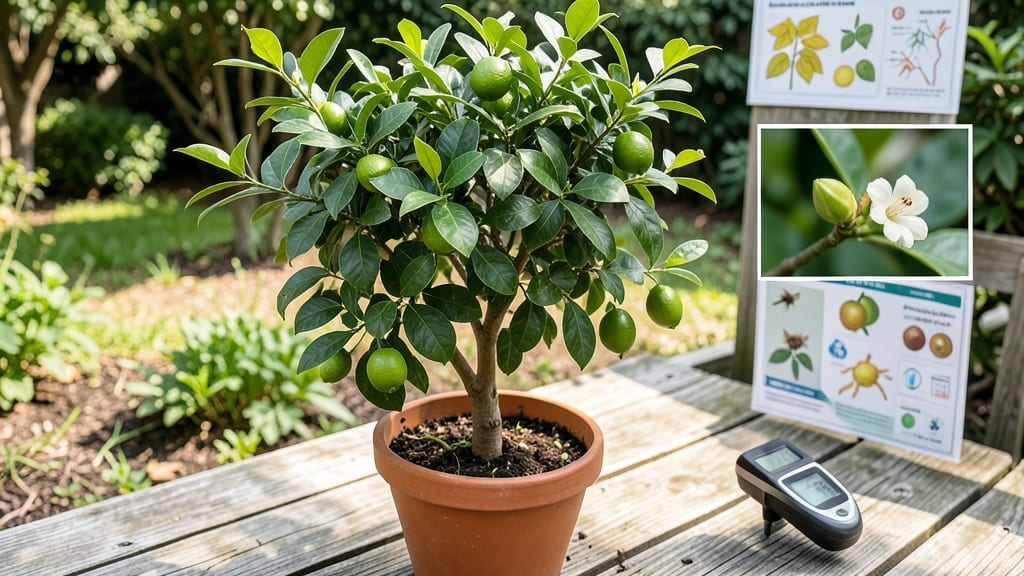
Your lime tree not producing fruit often boils down to one of four pruning mistakes—and fixing them can turn next year’s harvest into your best ever. 🌿 I’ve watched my own Meyer lime tree go from bare branches to heavy with fruit by addressing just these issues, and the key is timing, technique, and understanding what your tree actually needs.
The most common culprit? Pruning at the wrong time or in the wrong way. Lime trees need late winter pruning (just before new growth starts) to encourage fresh, fruit-bearing branches, but aggressive cuts in summer stress them out.
Over-pruning also removes next year’s flower buds, which form on new wood. Even worse, poor pruning invites pests that sap energy meant for fruit production.
By focusing on 4 targeted pruning fixes—thinning crowded branches, opening the canopy for sunlight, removing dead wood, and shaping for airflow—you’ll create the perfect conditions for blooms.
Within a season, you’ll see more flowers, better pollination, and actual fruit where there were none before. The payoff? Juicy, homegrown limes by next summer.
This method works for both young trees (under 5 years) and mature ones, though older trees may need extra patience. Start with just one fix this year—like opening the center of the tree—and build from there.
Your tree’s fruit potential is already there; it just needs the right pruning wake-up call.
Root Causes Of Missing Fruit
When your lime tree looks lush but refuses to bear fruit, the issue often stems from a mix of environmental, biological, or cultural factors. Understanding these root causes is the first step toward reviving your tree’s productivity.
Below, we break down the most common reasons why your lime tree might be playing fruitless hide-and-seek—and how to diagnose them.
---
Lime trees (especially self-pollinating varieties like Citrus aurantifolia) rely on bees, wind, or even human intervention to transfer pollen from male to female flowers. If pollination fails, flowers drop off without developing into fruit.
Why it happens: - Lack of pollinators: Urban areas, early mornings, or cold weather can deter bees. - Poor flower timing: Some lime varieties bloom at odd times (e.g., winter in warm climates), when pollinators are scarce. - Wind barriers: Dense foliage or walls near the tree can block pollen drift.
Actionable fix: - Hand-pollinate by gently shaking branches during peak bloom (early morning) to release pollen. - Plant companion flowers (like sweet alyssum or lavender) to attract bees. - Avoid pesticides that harm pollinators—opt for neem oil or horticultural soap instead.
---
Lime trees are heavy feeders, and a lack of key nutrients can stunt flower production. The most critical deficiencies often involve nitrogen (N), phosphorus (P), and micronutrients like zinc or iron.
Why it happens: - Nitrogen overload: Too much nitrogen (from fertilizers) promotes leafy growth at the expense of flowers and fruit. - Phosphorus shortage: Essential for root and flower development, but often lacking in soil tests. - Micronutrient gaps: Zinc deficiency (common in alkaline soils) causes little leaf syndrome, where new growth is stunted and flowers fail to set.
Actionable fix: - Test your soil (pH 6.0–7.0 is ideal for limes). Amend with compost or sulfur if alkaline. - Use a balanced fertilizer (e.g., 6-6-6 or 8-3-9) in early spring, then switch to a low-nitrogen, high-phosphorus formula (like 2-8-4) when buds form. - Apply chelated iron or zinc if leaves show yellowing between veins (a classic deficiency sign).
---
Lime trees are tropical at heart and thrive in warmth, sunlight, and consistency. Even minor disruptions can trigger a "survival mode," where the tree prioritizes leaves over fruit.
Why it happens: - Temperature extremes: - Cold snaps (<40°F) can damage flower buds before they open. - Heatwaves (>95°F) cause flowers to drop (a process called flower blast). - Inconsistent watering: - Drought stress triggers abscisic acid (a plant hormone) that aborts fruit. - Overwatering leads to root rot, starving the tree of nutrients. - Sunlight deprivation: - Lime trees need 6+ hours of direct sun daily. Shade from buildings or other trees reduces flower production.
Actionable fix: - Mulch heavily (3–4 inches of wood chips) to regulate soil temperature and retain moisture. - Water deeply but infrequently (1–2 inches per week, more in heatwaves). Use drip irrigation to avoid wetting foliage. - Move potted limes to a sunnier spot if indoors or in partial shade. - Protect from frost with frost cloth or a space heater if you’re in a marginal climate.
---
Pruning is a double-edged sword—done wrong, it can remove next year’s flower buds or disrupt the tree’s energy balance.
Why it happens: - Over-pruning: Cutting back too aggressively (especially in late winter) removes flower buds that form on old wood. - Improper timing: - Pruning after flowering (summer/fall) can remove potential fruit. - Heavy cuts in winter (when the tree is dormant) may stimulate leafy growth over flowers. - Incorrect cuts: Removing scaffold branches (main structural limbs) weakens the tree’s ability to support fruit.
Actionable fix: - Prune in late winter/early spring (just before buds swell) to encourage new growth and preserve old wood for flowers. - Avoid "topping" (cutting the top flat)—this stresses the tree and reduces fruiting. - Focus on air circulation: Thin out dense branches to prevent fungal diseases (like citrus greening), which also sap energy from fruit production.
--- Hidden invaders like citrus greening (HLB), root rot, or scale insects can drain your tree’s energy, leaving it too weak to produce fruit.
Why it happens: - HLB (Citrus Greening): Spread by Asian citrus psyllids, this bacterial disease clogs the tree’s vascular system, causing yellow shoots and premature fruit drop. - Root rot: Overwatering or poor drainage invites fungi like Phytophthora, rotting roots and halting nutrient uptake. - Sap-sucking pests: Scale, aphids, or mites excrete honeydew, attracting sooty mold, which blocks sunlight and stunts growth.
Actionable fix: - Inspect leaves/stems for psyllids (tiny, winged insects) or sticky honeydew. Report sightings to your local agricultural extension office. - Improve drainage by amending soil with perlite or planting in raised beds. - Apply horticultural oil (like neem oil) to smother pests in early spring and fall.
--- Not all lime trees are created equal—and age plays a role too.
Why it happens: - Young trees (under 3–5 years): Focus energy on root/leaf growth before fruiting. Be patient! - Dwarf varieties: Some grafted limes (like 'Mexican Lime') produce fewer fruits than standard types. - Seed-grown vs. grafted: Seedlings may take 5–10 years to bear fruit, while grafted trees fruit sooner but can revert to wild types if not maintained.
Actionable fix: - Choose the right variety: For faster fruiting, opt for grafted 'Bearss' or 'Tahiti' limes (more reliable than seed-grown). - Fertilize young trees with low-nitrogen formulas (like 3-1-2) to encourage flowering. - Consider propagation: If your tree is old and unproductive, take cuttings to grow a new, vigorous specimen.
Revitalize Your Lime Tree’s Fruit Production
---
If your lime tree is struggling to bear fruit, don’t panic—there are practical steps you can take to encourage blooming and fruiting. The key is addressing the root cause (literally and figuratively) with targeted fixes.
Below, we break down solutions by common issues, from pruning to environmental tweaks, ensuring your tree gets back on track to producing those tangy, juicy limes.
---
If your lime tree is overgrown or shaded, it may struggle to produce fruit due to poor circulation and weak energy reserves. Pruning isn’t just about trimming back branches—it’s about strategic shaping to boost health.
#### 🔪 Step-by-Step Pruning Guide 1. 🌱 Trim Dead or Diseased Branches First - Remove any branches that are brown, brittle, or showing signs of disease (like fungal spots or oozing sap). Use clean, sharp pruners to avoid spreading pathogens.
2. ✂️ Thin Out Dense Foliage - Focus on the interior of the tree where light struggles to penetrate. Aim to remove 20–30% of the canopy to improve airflow and sunlight exposure.
3. 🌞 Open the Canopy for Sunlight - Cut back branches that block light from reaching the center of the tree. Lime trees need 6–8 hours of direct sunlight daily to set fruit.
4. 🌿 Shape for Balance - Prune to create an open vase shape, allowing sunlight to reach lower branches. Avoid "lion’s tailing" (over-trimming the top), which can stress the tree.
5. ⏰ Time It Right - Best time to prune: Late winter or early spring (just before new growth starts). Avoid heavy pruning in fall, as it can stimulate new growth that won’t harden off before winter.
#### 💡 Pro Tip: - Don’t over-prune! Removing too much foliage at once can shock the tree. Spread pruning over 2–3 sessions if needed.
---
Lime trees are sensitive to both drought and overwatering, and poor soil can stunt fruit production. Let’s get the moisture and nutrients right.
#### 💧 Watering Fixes - 🚰 Water Deeply, Not Frequently - Lime trees prefer consistent moisture but hate soggy roots. Water deeply (1–2 inches per week) and ensure the soil drains well. Let the top 2–3 inches dry out between waterings.
- 🌧️ Mulch to Retain Moisture - Apply a 2–3 inch layer of organic mulch (like wood chips or straw) around the base (but not touching the trunk). This keeps roots cool and retains moisture.
#### 🌱 Soil & Fertilizer Fixes - 📊 Test Your Soil - Lime trees thrive in slightly acidic to neutral soil (pH 6.0–7.0). If your soil is too alkaline (common in many regions), amend it with sulfur or peat moss.
- 💪 Feed for Fruit Production - Use a balanced fertilizer (like 6-6-6 or 10-10-10) in early spring, then switch to a high-phosphorus formula (like 5-10-10) when flowers appear to encourage fruiting. - Avoid over-fertilizing with nitrogen—this promotes leafy growth at the expense of fruit.
#### 💡 Pro Tip: - Flushing the soil (watering heavily to leach out excess salts) once a year can prevent nutrient burnout, especially if you’re in a dry climate.
---
Even if your lime tree has blooms, poor pollination can lead to dropped fruit. Hand-pollination or attracting pollinators can make a big difference.
#### 🐝 Boost Pollinator Activity - Plant Companion Flowers - Add pollinator-friendly plants nearby, like marigolds, lavender, or citrus-scented flowers, to attract bees and butterflies.
- 👨🍳 Hand-Pollinate if Needed - If you’re in a low-pollinator area (or growing indoors), use a soft paintbrush to transfer pollen from one flower to another. Do this in the morning when flowers are open.
#### ✨ Stimulate More Blooms - 🌡️ Provide a Winter Chill - Many lime trees (especially grafted varieties) need a short cold period (40–50°F for 4–6 weeks) to trigger flowering. If you’re in a warm climate, consider misting the tree with water to simulate cooler temps.
- 🍃 Reduce Stress - Stress from drought, pests, or extreme heat can halt flowering. Keep conditions stable to encourage consistent blooms.
#### 💡 Pro Tip: - Prune lightly after flowering to redirect the tree’s energy toward fruit development rather than new leaves.
---
Pests like aphids, scale, or fungal diseases can drain your tree’s energy, leaving it too weak to produce fruit. Prevention is key!
#### 🐜 Common Pests & Solutions | Pest | Signs | Fix | |-------------------|------------------------------------|------------------------------------------------------------------------| | Aphids | Sticky residue, curled leaves | Spray with neem oil or introduce ladybugs. | | Scale Insects | White/brown bumps on branches | Scrape off manually or use horticultural oil. | | Citrus Leaf Miner | White squiggly trails in leaves | Remove infested leaves; use kaolin clay as a barrier. |
#### 🍄 Disease Prevention - 🌿 Fungal Issues (like citrus canker) - Remove infected leaves immediately. - Apply copper fungicide as a preventive spray in spring.
- 💧 Avoid Overhead Watering - Water at the base to keep foliage dry, reducing fungal spores.
#### 💡 Pro Tip: - Inspect your tree weekly during growing season. Early detection = easier fixes!
---
Once your lime tree is back on track, keep these habits to ensure consistent fruiting:
- ✅ Prune annually to maintain an open canopy.
- ✅ Monitor soil moisture—neither drought nor waterlogging.
- ✅ Fertilize seasonally (spring for growth, summer for fruit).
- ✅ Encourage pollinators with companion plants.
- ✅ Protect against pests with regular checks and organic treatments.
With these fixes, your lime tree should rebound and start producing those sweet, tangy limes you’re craving. Patience is key—some trees take a season or two to fully recover, but the effort will pay off in delicious harvests! 🍋✨
Frequently asked questions
How long does it take for a lime tree to produce fruit after pruning?
With proper pruning, you may see new blooms within 3-6 months, but full fruit production typically takes 1-2 growing seasons. Young trees (under 3 years) may need 1-2 more years of care before producing consistently. The key is patience—focus on healthy growth first, then fruit will follow.
Why does my lime tree have lots of flowers but no fruit?
This usually means pollination failure—either bees aren't visiting or flowers aren't getting enough pollen. Try hand-pollinating with a soft brush in the morning, or plant bee-friendly flowers nearby. Extreme heat (95°F+) or cold (40°F) can also cause flowers to drop without setting fruit.
Can I prune my lime tree in summer to encourage fruit?
No—summer pruning is a common mistake! Heavy cuts during growing season stress the tree and remove next year's flower buds. Always prune in late winter/early spring (just before buds swell). Light shaping after flowering is fine, but avoid major cuts.
What fertilizer should I use to boost lime fruit production?
Switch to a low-nitrogen, high-phosphorus formula (like 2-8-4) when buds appear. Avoid heavy nitrogen (like 30-10-10), which promotes leaves over fruit. For micronutrients, add chelated iron or zinc if leaves show yellowing between veins. Test your soil first—lime trees thrive in pH 6.0-7.0.
Will pruning my mature lime tree harm it?
Not if done correctly! Focus on removing dead/diseased wood and thinning dense areas to improve airflow. Never cut more than 25% of the canopy at once. Mature trees need gentle pruning—prioritize opening the center for sunlight over aggressive shaping. A well-pruned mature tree produces better fruit.