
Trees
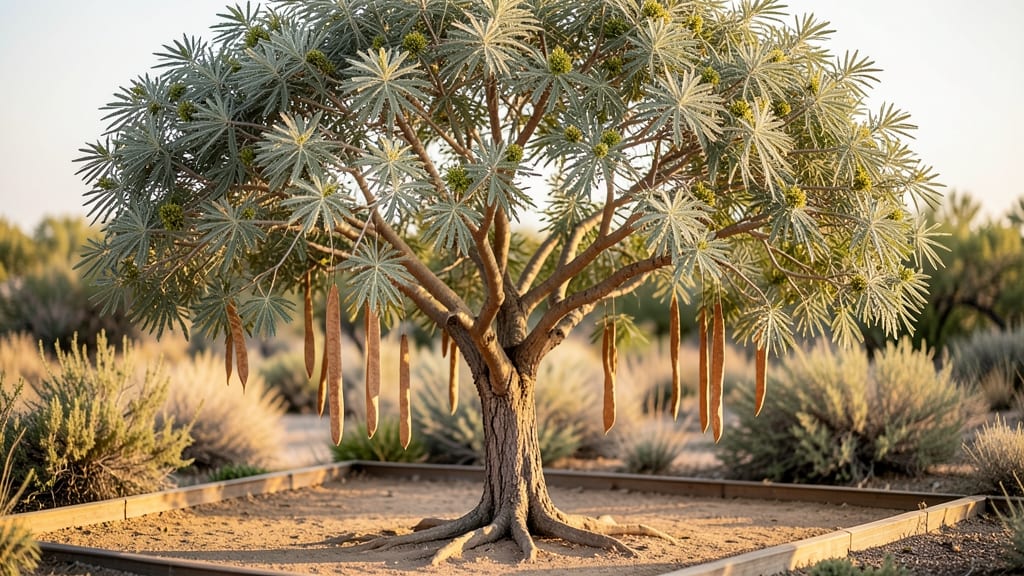
The monkeypod tree leaves you're eyeing could be your next crafting treasure or fragrant tea stash—but only if you harvest them right. 🌿 I’ve learned the hard way that timing and technique make all the difference between vibrant leaves and sad, brittle scraps.
Start by picking young, healthy leaves in the morning after the dew dries. Avoid yellowing or spotted ones—they’re past their prime. For tea, dry them slowly in a dark, airy spot; for crafts, press them between heavy books. The key is speed: wilted leaves lose their color fast.
You’ll end up with leaves that stay crisp for months, perfect for tea blends or pressed art. Just skip the direct sunlight—it bleaches them out. Now, let’s get those leaves preserved properly!
📚 In This Guide
- What you need
- Instructions
- Tips and common mistakes
- Wrapping up and next steps
What you need
- ● Fresh monkeypod tree leaves – Harvested from a healthy, pesticide-free tree (ensure proper identification to avoid toxic look-alikes). Aim for at least 1–2 cups for tea or 5–10 leaves for small crafting projects.
- ● Sharp pruning shears or garden scissors – For clean cuts without damaging the tree.
- ● Glass jars or airtight containers – 1–2 quart-sized jars with tight-sealing lids for storage.
- ○ Food-grade silicone desiccant packets (optional but recommended) – To absorb moisture and extend shelf life.
- ● Paper towels or clean kitchen towels – For drying excess moisture.
- ● Labeling materials – Masking tape + permanent marker or printable labels to note harvest date and use.
- ● Drying rack or mesh screen – For even air-drying if preserving whole leaves.
- ● Dehydrator or oven – Set to low heat (170°F or below) for faster drying.
- ● Essential oils (e.g., lavender, citrus) – A few drops to infuse aroma into tea or crafts.
- ● Herbal tea blend ingredients – Chamomile, mint, or honey for tea combinations.
- ● Embroidery hoop or frame – For pressing leaves into decorative art.
Step-by-step instructions for harvesting and preserving monkeypod tree leaves
Here's how I harvest and preserve these versatile leaves for tea or crafting—simple steps for perfect results every time.
🌿 Step 1: Identify and Harvest Mature Leaves
Focus on fully developed leaves from healthy branches, avoiding any with brown edges or spots. The best leaves are 3-5 inches long and deep green with a leathery texture. I harvest on a dry morning after dew has evaporated—this prevents mold during drying.
Use clean, sharp scissors or pruning shears to cut stems at a 45-degree angle, about ¼ inch below the leaf node. This encourages new growth and prevents damage to the branch. Never pull leaves by hand, as this can tear the stem and invite pests.
💧 Step 2: Clean and Prepare the Harvest
Rinse leaves under cool water to remove dust and debris, then gently pat them dry with a clean towel or paper towels. I spread them out on a clean kitchen towel to air-dry for 10-15 minutes before processing—this prevents moisture buildup during storage.
Remove any remaining stems or damaged portions with a small knife or scissors. For tea, I tear larger leaves into ½-inch pieces to speed up steeping time. For crafting, leave them whole or cut into decorative shapes using a sharp craft knife.
☀️ Step 3: Dry the Leaves Properly
Arrange leaves in a single layer on a mesh screen or clean baking sheet. Place them in a warm, dry, well-ventilated area out of direct sunlight—too much heat turns them brittle. A dehydrator set to 95°F works perfectly, or use a sunny windowsill with indirect light.
Turn leaves every 2-3 hours to ensure even drying. They're ready when completely dry to the touch and crisp (about 2-4 days depending on humidity). Store in airtight containers away from light to preserve color and aroma.
✂️ Step 4: Preserve for Tea or Crafting
For tea, store dried leaves in glass jars with a tight seal. Add a ¼ teaspoon of dried chamomile or mint per jar to enhance flavor. For crafting, press leaves between heavy books for 2-3 weeks until flat and fragile—ideal for framing or wreath-making.
Label containers with the date and intended use. Tea leaves stay fresh for 6-12 months, while pressed leaves last indefinitely if stored properly. I keep a small jar of tea leaves in my kitchen for quick infusions—just steep 1 teaspoon per cup of hot water for 5 minutes.
Tips & tricks for perfect monkeypod leaf preservation
Real talk: Harvesting and preserving monkeypod leaves takes patience—but these little tricks make all the difference between usable leaves and wasted effort.
Timing Secret: That 10-15 minute air-dry after rinsing is non-negotiable. I learned this the hard way after storing damp leaves that developed mold within days. Use a fan on low to speed up this step if your kitchen is humid—just keep leaves elevated to prevent moisture pooling.
Temperature Matters: The 95°F dehydrator setting is ideal, but don't stress if you don't have one. A sunny windowsill with indirect light works perfectly in dry climates. If using an oven, prop the door open slightly and use the lowest heat setting—monkeypod leaves turn brittle at temperatures above 110°F.
Storage Wisdom: For tea leaves, I always add a pinch of dried chamomile or mint (¼ teaspoon per jar) right when sealing. This isn't just about flavor—it also helps absorb any remaining moisture and extends shelf life. For crafting leaves, store them between parchment paper in your containers to prevent sticking.
Common Mistake Fix: If your leaves aren't drying evenly, you're probably stacking them too thickly. Remember Step 3's single-layer rule—this ensures proper air circulation. For stubbornly damp spots, gently blot with a paper towel before final drying. Uneven drying leads to mold, which ruins everything.
Pro Tips for Monkeypod Tree Leaves
- Real talk: Harvesting and preserving monkeypod leaves takes patience—but these little tricks make all the difference between usable leaves and wasted effort.
- Timing Secret: That 10-15 minute air-dry after rinsing is non-negotiable.
- Temperature Matters: The 95°F dehydrator setting is ideal, but don't stress if you don't have one.
Frequently asked questions
Got questions about working with monkeypod tree leaves? You’re not alone—this unique plant has a few quirks! Here are answers to the most common queries to help you navigate harvesting, preserving, and using them like a pro.
When is the best time to harvest monkeypod tree leaves?
The ideal time to harvest is late spring to early summer, when leaves are fully mature but haven’t hardened yet. Avoid harvesting after heavy rain or frost, as moisture can speed up spoilage. Early morning is best—leaves are hydrated and packed with flavor!
Are monkeypod leaves toxic or safe to handle?
While not toxic, they can cause mild skin irritation in some people due to sap or fine hairs. Wear gloves when handling large quantities, and rinse leaves thoroughly before use. If you’re sensitive, test a small patch of skin first.
How do I preserve monkeypod leaves for tea without losing flavor?
For tea, air-drying is simplest: Bundle leaves in small bunches and hang upside down in a dark, well-ventilated space for 1–2 weeks. For longer shelf life, try dehydrating (115°F for 4–6 hours) or freeze-drying. Store in airtight containers away from light.
Can I use monkeypod leaves for crafts instead of tea?
Their leathery texture and rich color make them great for potpourri, wreaths, or pressed art. For crafts, harvest larger, undamaged leaves and press them between heavy books for 2–4 weeks. Avoid using diseased or spotted leaves—they won’t hold up well.
What should I do if my monkeypod leaves turn brown or moldy?
Brown spots often mean over-maturation or fungal issues. If leaves are still firm, trim the damaged parts and dry them quickly. For mold, toss affected leaves immediately—mold spreads fast and can ruin batches. Prevent mold by drying in thin layers and ensuring good airflow.
Bonus Tip: Can I grow monkeypod trees from cuttings?
Yes! Semi-hardwood cuttings (from late spring/early summer) root best in perlite or sand. Dip in rooting hormone, keep moist, and cover with a plastic bag until new growth appears (4–8 weeks). Patience pays off—these trees thrive in warm climates but need protection from frost!
Wrapping up and next steps
From harvesting fresh monkeypod leaves to crafting tea blends or unique crafts, this guide has shown you how to make the most of nature’s bounty! 🌿 Whether you’re a tea enthusiast, a DIY lover, or simply curious about sustainable practices, these leaves offer endless creative potential. Now’s your chance to experiment—try brewing a small batch of tea or weaving a simple project to see what sparks your joy!
Ready to dive in? Grab your tools, step outside, and let the monkeypod tree inspire your next adventure! 🌟