
Pruning
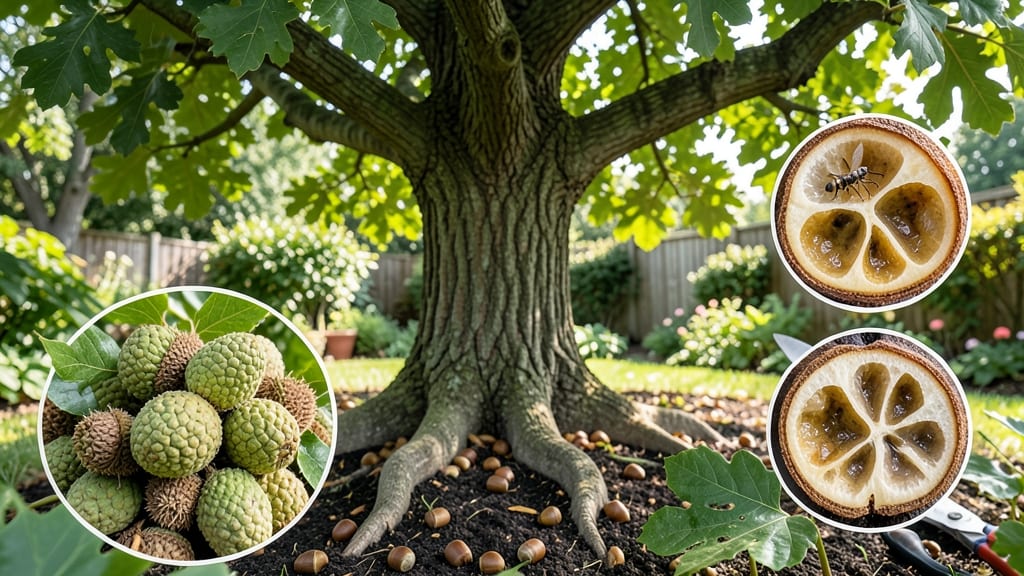
Those weird, lumpy growths on your oak branches aren't just ugly—they're called galls, and they're usually harmless but can stress your tree if left unchecked. 🌳 I've spent years watching oak trees in my yard develop these bumpy fungal growths, and I've learned how to manage them without hurting the tree's health.
Most oak galls are caused by tiny wasps or mites that trigger abnormal plant growth, creating those familiar oak apple, knopper, or marble galls. While they look alarming, they rarely kill the tree—though severe infestations can weaken it over time.
The key is knowing when to prune them off and when to leave them alone for nature to handle. You'll learn how to safely remove galls without causing damage, spot the signs of a real problem (like wilting leaves or dieback), and encourage natural predators to keep populations in check.
The process is simpler than you'd think—just a few sharp cuts and some patience. This approach works for any oak tree species, from red oaks to white oaks, and keeps your tree thriving without harsh chemicals. Let's get started with the right way to handle these growths!
📚 In This Guide
- What you need
- Instructions
- Tips and common mistakes
- Wrapping up and next steps
What you need
- ● Pruning shears or loppers – Sharp, sterilized tools (bypass pruners for small galls; loppers for thicker branches). Quantity: 1 pair (or 1 set of loppers + 1 pair of shears).
- ● Disposable gloves – Nitrile or latex-free (to avoid skin irritation from sap or fungi). Quantity: 1–2 pairs.
- ● Rubbing alcohol (70% or higher) – For sterilizing tools before and after use. Quantity: Small bottle (4–8 oz).
- ● Heavy-duty trash bags – For disposing of galls and pruned debris. Quantity: 2–3 bags.
- ○ Hose with nozzle – To rinse tools and branches after pruning. Quantity: 1 (optional but recommended).
- ● Fungicide spray (copper-based or neem oil) – To treat remaining branches post-pruning (follow label instructions).
- ○ Tree wound dressing (optional) – Only if pruning creates large wounds (use sparingly—modern pruning often skips this!).
- ● Ladder or stump – For hard-to-reach branches (ensure it’s stable!).
- ● Camera or phone – To document galls before/after removal (helpful for tracking progress!).
Step-by-step guide to safely remove oak tree galls without harming the tree
Here’s how I handle oak tree galls safely—protecting your tree while keeping your yard looking clean.
🌿 Step 1: Identify the Gall Type and Assess the Damage
First, determine if the gall is caused by fungi, insects, or mites—fungal galls are the most common on oak trees. Look for round, spongy growths on branches or leaves. Fungal galls often appear as hard, woody bumps, while insect galls may look more like swollen, irregular growths. Don’t confuse galls with cankers or blight—healthy bark should be smooth and unbroken.
Gently run your fingers over the gall to check for texture. Fungal galls are usually firm and don’t crumble easily. If the gall is soft or oozing sap, it might be a sign of a more serious issue like bacterial infection. Focus only on removing galls that are clearly fungal—these won’t harm the tree if removed properly.
✂️ Step 2: Prune Galls During Dormant Season
The best time to remove oak tree galls is in late fall or early spring when the tree is dormant. This minimizes stress on the tree and reduces the risk of spreading fungal spores. Use clean, sharp pruning shears or a small handsaw for larger galls. Disinfect your tools with rubbing alcohol before and after pruning to prevent cross-contamination.
Make a clean cut about ½ inch below the gall—never cut into healthy wood. Remove the entire gall, including any affected bark. If the gall is large, you may need to cut back to a healthy branch collar. Avoid leaving stubs, as they can trap moisture and encourage further fungal growth. Bag the removed galls and dispose of them in the trash, not compost.
💧 Step 3: Treat the Wound to Prevent Infection
After removing the gall, the exposed wound needs protection. Apply a fungicide-pruner sealant (like Tanglefoot Tree Wound Pruning Seal) to the cut area. This creates a barrier that prevents moisture from seeping into the wound, reducing the risk of secondary infections. Avoid using regular paint or caulk—these can trap moisture and do more harm than good.
Let the sealant dry completely before moving on. If the wound is large, consider wrapping it with a tree wound dressing (like a commercial product designed for pruning cuts). This extra layer of protection helps the tree heal faster, especially in wet or humid climates. Monitor the area for signs of new growth or oozing sap—this could indicate the wound isn’t healing properly.
☀️ Step 4: Monitor the Tree for Recovery
Over the next few weeks, keep an eye on the pruned area. Healthy new growth should appear within 4-6 weeks, signaling the tree is recovering. If you notice yellowing leaves, wilting branches, or more galls forming nearby, the tree may be under stress. In this case, consider fertilizing with a balanced, slow-release fertilizer to support its recovery.
Water the tree deeply once a week during dry spells to encourage strong growth. Avoid overwatering, as soggy soil can weaken the tree further. If the tree appears otherwise healthy, the galls were likely just a cosmetic issue and won’t cause long-term harm. If you see repeated gall formation, consult a local arborist to rule out underlying issues like nutrient deficiencies or pest infestations.
Tips & tricks for removing oak tree galls safely
Real talk: I’ve watched oak trees go from healthy to stressed in just a few months because of improper gall removal. Here’s what nobody tells you to keep your tree thriving.
Timing is Everything: The dormant season (late fall or early spring) is non-negotiable for pruning galls. This is when the tree’s energy is focused on root growth, not healing wounds. If you prune during active growth (spring or summer), you’ll stress the tree and make it vulnerable to disease. Mark your calendar now—don’t wait until you see galls forming in summer!
Tool Prep Prevents Problems: I can’t emphasize this enough—disinfect your pruning tools with rubbing alcohol before AND after each cut. Fungal spores can hitch a ride on dirty tools and infect other parts of your tree. I keep a small bottle of alcohol in my gardening toolkit for quick cleanups between trees. Pro tip: Wipe down tools even if you’re just removing galls from one branch.
Cutting Technique Matters: That ½-inch rule below the gall isn’t arbitrary—it’s about preserving healthy wood. Cutting too close risks damaging the cambium layer (the tree’s growth ring), which can slow healing. For stubborn galls, use a clean saw and make your cut at a slight angle away from the branch collar. This creates a natural shield that helps protect the wound from moisture.
Wound Care is Non-Negotiable: Skipping the sealant step is the #1 mistake I see. Even small wounds need protection—think of it like putting a bandage on a cut. I’ve seen trees develop cankers within weeks of pruning because homeowners used regular paint instead of proper sealant. If you’re in a humid climate, double up with a tree wound dressing for extra protection against moisture.
Pro Tips for Oak Tree Galls On Branches
- Real talk: I’ve watched oak trees go from healthy to stressed in just a few months because of improper gall removal.
- Timing is Everything: The dormant season (late fall or early spring) is non-negotiable for pruning galls.
- Tool Prep Prevents Problems: I can’t emphasize this enough—disinfect your pruning tools with rubbing alcohol before AND after each cut.
Frequently asked questions
Got questions about oak tree galls? You’re not alone!
Here are answers to the most common concerns—from identification to removal and everything in between.
What do oak tree galls on branches look like?
Oak galls appear as hard, rounded lumps (often ½" to 2" wide) on branches or leaves, with a woolly, spongy, or rough texture. Colors range from green/brown to grayish-white. Some resemble acorns with a fuzzy cap or wart-like clusters. Check this guide to confirm before treating!
When is the best time to remove oak galls?
Remove galls late winter to early spring (before buds swell) or fall (after leaf drop). Avoid pruning during peak wasp activity (spring/summer), as galls may still be active. Pro tip: Wear gloves—some galls release irritating sap!
Can I prune oak galls without harming the tree?
Yes! Use sterilized pruners to cut galls 1–2 inches below the base (prevents reinfection). Do not:
- Use harsh chemicals (they stress the tree).
- Prune large branches without a proper saw.
- Remove galls during wet weather (spreads spores).
Will removing galls kill my oak tree?
No—galls are harmless to mature trees but can weaken young oaks. Removing them reduces wasp nests and prevents branch dieback. Focus on large, active galls first. Fun fact: Some galls are home to rare insects—consider leaving a few if biodiversity matters!
What’s the easiest way to remove stubborn galls?
For tight galls, soak the branch in hot water (140°F) for 10 minutes to soften the tissue, then scrape gently with a plastic putty knife. Alternative: Use rubbing alcohol (70%) on a cloth to dissolve sticky residues. Disinfect tools between trees to avoid cross-contamination!
How do I tell if galls are fungal vs. insect-related?
| Fungal Galls | Insect (Wasp) Galls |
|---|---|
| Soft, powdery or mushy inside; often greenish-black. | Hard, woody or leathery; may have tiny holes (wasp exits). |
| Spreads slowly; appears in clusters. | Grows rapidly; often single or paired on branches. |
Unsure? Snap a photo and compare to our gallery!
Wrapping up and next steps
Oak tree galls might seem like a nuisance, but with the right approach, you can manage them safely without harming your tree. 🌳 By understanding their causes and using gentle, effective methods—like pruning, natural remedies, or professional consultation—you can restore your oak’s health while preserving its beauty. Don’t let galls stress you out! Grab your tools, roll up your sleeves, and give your tree the care it deserves. Next, take action—start with a close inspection of your oak’s branches and choose the method that fits your needs best!