
Pruning
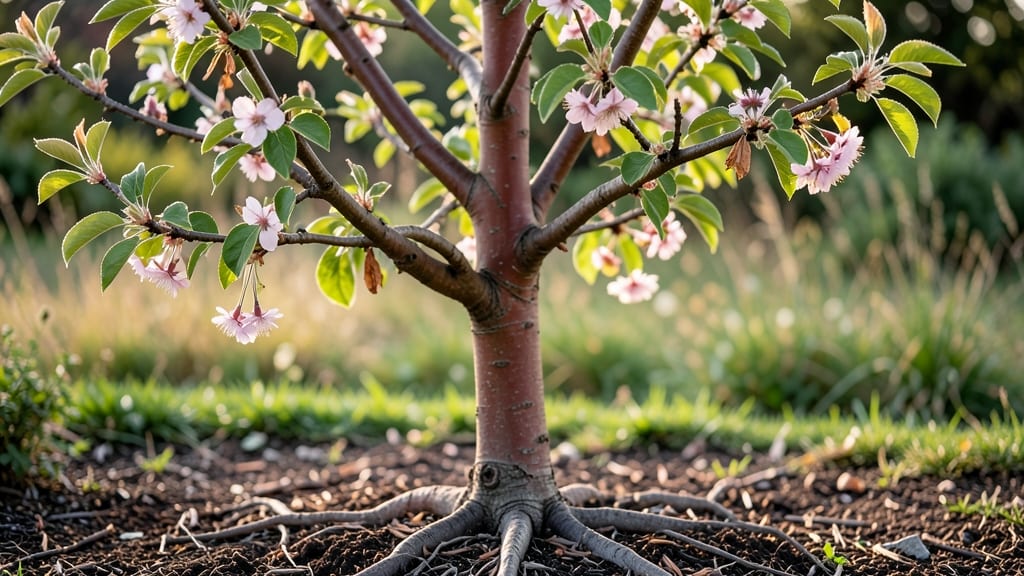
Peach tree branches can make or break your harvest—one wrong cut and you're staring at a bare limb or worse, an infection spreading. I've spent years diagnosing why branches fail: fungal canker, borer holes, or just plain weak growth from poor pruning.
The key is learning to read your tree's signals before it's too late.
Start by scanning for cracks in bark, dark streaks under the skin, or branches that look dry and brittle—these are red flags for disease or pest damage. Use sharp pruners to make clean cuts at a 45-degree angle just outside the branch collar, never leaving stubs.
Timing matters too: late winter or early spring, when the tree is dormant but pests aren't active.
What you'll end up with is a stronger structure that produces more fruit and resists future problems. Prune out crossing branches, deadwood, and suckers at the base, and you'll see new growth within weeks. The best part? Healthy branches mean bigger, juicier peaches and fewer headaches next season.
This works for both young trees and mature ones—just adjust the intensity. For example, young trees need light pruning to shape them, while older trees might need aggressive cleanup to open up the canopy. Grab your tools and let's get those branches working for you, not against you.
📚 In This Guide
- What you need
- Instructions
- Tips and common mistakes
- Wrapping up and next steps
What you need
- ● Pruning shears: Bypass pruners (for branches ≤ ½ inch thick) or anvil pruners (for thicker branches). Sharpness is key!
- ● Loppers: For branches ½ to 1½ inches thick (extendable handles help with reach!).
- ● Pruning saw: For branches > 1½ inches thick (a curved-tooth saw prevents tearing).
- ● Disinfectant: 70% isopropyl alcohol or a 10% bleach solution (to sterilize tools between cuts).
- ● Garden gloves: Heavy-duty, cut-resistant gloves (peach tree branches can be thorny!).
- ○ Pruning sealant: Optional but helpful for large cuts (e.g., tree wound paint or beeswax).
- ● Safety glasses: Protect your eyes from debris.
- ● Long sleeves/pants: Avoid scratches from thorns or sap.
- ● Trash bags: For collecting pruned branches (1–2 heavy-duty bags).
- ○ Ladder (optional): A sturdy, extendable ladder (if your tree is > 6 feet tall). Never stand on wobbly ladders!
- ● Knowledge of your tree’s age: Young trees (1–3 years) need lighter pruning; mature trees (4+ years) can handle heavier cuts.
- ● Weather check: Prune on a dry, cloudy day (avoid frost or extreme heat).
- ● Tree health assessment: Look for signs of disease (e.g., oozing sap, fungal spots) before pruning.
Instructions for pruning peach tree branches
Here's how to keep your peach tree thriving with simple, seasonal pruning techniques.
Identify the Right Time to Prune
Peach trees need pruning at specific times to avoid disease and encourage fruit production. The best time is late winter or early spring, just before buds swell but before new growth begins. This timing prevents bacterial canker, a common issue in peach trees when pruning too late. If you missed the winter window, you can do light pruning in summer after harvest to remove only damaged or crossing branches.
Never prune in fall—this invites fungal infections that overwinter in the tree. Look for dormant buds (swollen but not yet opening) as your cue. If you see green tips or new leaves, you've waited too long for the main pruning session.
Remove Dead, Diseased, or Crossing Branches
Start by cutting out any dead or diseased branches first—these are your top priority. Dead branches are brittle and snap easily when bent; diseased branches may have blackened cankers or oozing sap. Use clean, sharp pruning shears to make cuts just outside the branch collar (the swollen area where the branch meets the trunk). This prevents water from pooling and causing rot.
Next, remove branches that cross or rub against each other. These create wounds where disease can enter and reduce airflow, which weakens the tree. Look for branches growing inward at sharp angles—these are the ones to eliminate. Make your cuts at a 45-degree angle just above an outward-facing bud to encourage healthy growth in the right direction.
Thin the Canopy for Better Airflow and Light
Peach trees need sunlight and airflow to produce fruit and avoid fungal issues. Aim to open up the canopy by removing 10-20% of the tree's total branches, focusing on the interior. Start at the center and work outward, cutting back branches that block light from reaching the inner branches. This creates an umbrella shape that lets sunlight penetrate evenly.
Watch for water sprouts—fast-growing, vertical shoots that appear after pruning. These steal energy from fruit production, so cut them back to a bud or remove them entirely. You'll know you've done well when you can see light filtering through the branches and the tree's structure looks balanced from all sides.
Shape the Tree for Future Growth
Peach trees benefit from a modified central leader shape—one main trunk with scaffold branches spaced 8-12 inches apart along the trunk. Select 3-5 strong, outward-growing branches to serve as your main scaffold. Cut back these branches to a bud facing the direction you want growth (usually outward or slightly upward). This encourages a sturdy framework that supports fruit.
For young trees, keep the height manageable—6-8 feet is ideal. For older trees, avoid heavy pruning that removes more than 25% of the canopy in one year. Prune gradually to avoid shocking the tree. Step back occasionally to visualize the tree's shape—you want a balanced, open structure that lets sunlight reach all branches.
Clean Up and Protect the Tree
After pruning, dispose of all cut branches immediately—do not leave them on the ground near the tree. This prevents disease from spreading back to the tree. Sterilize your pruning tools with rubbing alcohol or a bleach solution (1 part bleach to 9 parts water) to kill any lingering bacteria or fungi.
Apply a wound sealant only to large cuts (over ½ inch in diameter) to prevent disease entry. For smaller cuts, let the tree seal itself naturally—sealants can trap moisture and cause rot. Water the tree deeply after pruning to help it recover. Avoid fertilizing right after pruning; wait until new growth appears in spring.
Tips & tricks for pruning peach tree branches
These simple but game-changing tips will help you prune your peach tree like a seasoned arborist—without the years of practice.
Timing is Everything: Late winter or early spring is your golden window because the tree is dormant but about to wake up. If you prune too early, you risk frost damage to fresh cuts; too late, and you risk bacterial canker. Look for those swollen buds that haven't burst open yet—that's your cue. For summer pruning, wait until after harvest when the tree has finished fruiting and has entered its natural rest period.
Tool Prep Makes All the Difference: Your pruning shears need to be sharper than a surgeon's scalpel. Dull blades tear wood, creating jagged wounds that invite disease. Clean your tools with rubbing alcohol between cuts—especially when moving from diseased branches to healthy ones. I keep a small spray bottle of 10% bleach solution (1 part bleach to 9 parts water) handy for quick sterilization between trees.
Visualize the Tree's Future: Before making any cuts, step back and imagine your tree's ideal shape. You're sculpting, not just hacking. Focus on creating that modified central leader shape with scaffold branches spaced 8-12 inches apart. Think of it like building a sturdy ladder—each branch should be strong enough to support fruit but not so crowded that airflow suffers. A good rule of thumb is to remove any branch that's growing directly toward the center of the tree.
Don't Forget the Small Stuff: Water sprouts might seem insignificant, but they're like weeds in your garden—they steal nutrients from your fruit production. Cut them back to a bud or remove them entirely as soon as you spot them. And those small crossing branches? They might seem harmless, but they'll rub against each other as they grow, creating wounds that become entry points for disease. Make those small cuts now to prevent big problems later.
Pro Tips for Peach Tree Branches
- These simple but game-changing tips will help you prune your peach tree like a seasoned arborist—without the years of practice.
- Timing is Everything: Late winter or early spring is your golden window because the tree is dormant but about to wake up.
- Tool Prep Makes All the Difference: Your pruning shears need to be sharper than a surgeon's scalpel.
Frequently asked questions
Got questions about caring for your peach tree branches? You’re not alone! Here are some of the most common concerns—and their answers—to keep your tree thriving year-round.
When is the best time to prune peach tree branches?
The ideal time is late winter or early spring (before buds swell but after severe cold snaps). This encourages strong growth and fruit production. Avoid pruning in fall, as it can leave wounds vulnerable to disease. If you must prune in summer, do so after harvest to reduce stress on the tree.
How do I know which branches to cut back?
Focus on removing:
- Dead or diseased branches (they drain energy and risk spreading illness).
- Crossing or rubbing branches (they create wounds and weak spots).
- Suckers (fast-growing shoots at the base—these steal nutrients).
- Overcrowded branches (aim for an open center to improve airflow and sunlight).
Why are my peach tree branches dying after pruning?
This often happens due to over-pruning (cutting more than 25% of the canopy at once) or poor timing (pruning in extreme heat/cold). Always use clean, sharp tools and seal larger cuts with pruning sealant. If branches still die, check for pests (like borers) or fungal infections—treat with copper spray or horticultural oil if needed.
Can I use peach tree branches for anything other than pruning?
Here’s how to repurpose them:
- Mulch or compost: Chop small branches into mulch for garden beds (adds potassium!).
- Firewood: Dry branches thoroughly first—they burn hot but fast.
- Art or crafts: Twist flexible branches into wreaths or trellises.
- Tea or tinctures: Young leaves (harvested early spring) can steep into a caffeine-free tea (rich in antioxidants!).
What should I do if my peach tree branches are freezing in winter?
Peach trees are semi-dormant in winter but can still suffer from cold damage if temps drop below 10°F (-12°C). Protect young trees with burlap wraps or mulch piles around the base. Avoid watering before frost—wet wood conducts cold better. If branches blacken but leaves sprout in spring, they’ll likely recover!
Wrapping up and next steps
Caring for your peach tree branches doesn’t have to be intimidating—with the right timing, tools, and techniques, you’ll foster a thriving tree that rewards you with abundant fruit and lush foliage year after year.
Whether you’re a seasoned gardener or just starting out, pruning is your secret weapon for shaping a healthier, more productive tree. 🌱
Now that you’re armed with knowledge, roll up your sleeves and get pruning! Start small if you’re new, and don’t forget to celebrate every step—your future harvests will thank you. Ready to dive deeper? Explore seasonal care tips or join a local gardening group for hands-on support.