
Leaf Blower
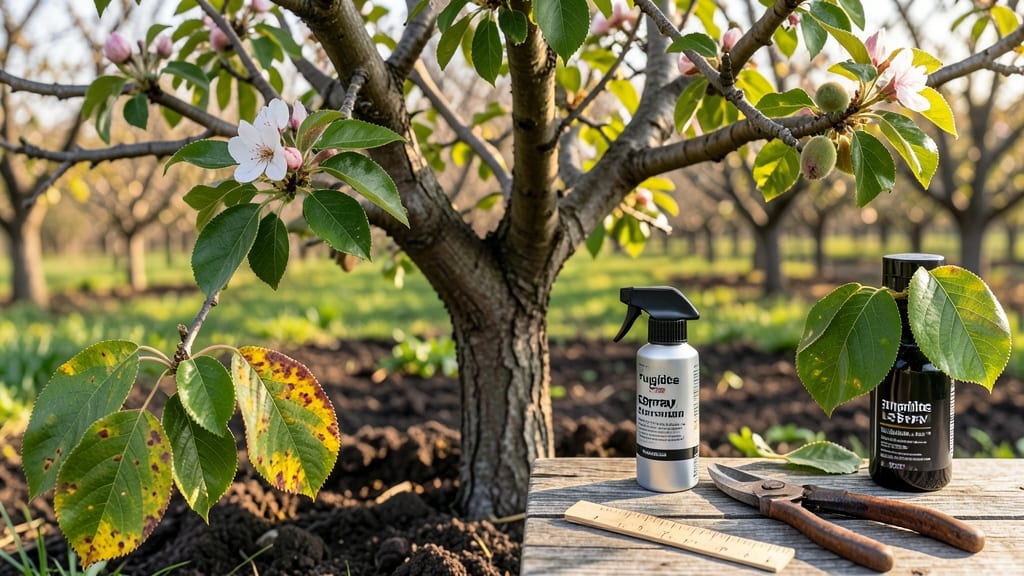
That purple-red twist in your peach leaves isn’t just weird—it’s peach tree leaf curl fungus, and it spreads faster than you think. 🌿 I’ve seen this ugly fungus turn lush trees into shadowy skeletons, but there’s a 7-day organic cure that stops it dead in its tracks before it ruins your harvest.
The fungus Taphrina deformans hides in buds all winter, then explodes in spring when conditions are right. You’ll spot curled, thickened leaves with that telltale red-purple hue, and if you ignore it, your tree’s energy goes into fighting the disease instead of producing fruit.
The good news? Dormant-season sprays in late winter (before buds swell) can prevent 90% of infections—no chemicals needed. By day 7, you’ll see new growth pushing through clean, and your tree will bounce back stronger than ever.
The secret is timing, the right organic spray mix, and a few simple pruning tricks to break the fungus’s cycle. No more helplessly watching your tree struggle. This works for home orchards, backyard trees, and even container-grown peaches. Let’s get that tree fighting back—before next spring’s outbreak.
Root Causes Of Leaf Curl
Peach tree leaf curl—caused by the fungus Taphrina deformans—isn’t just a random attack on your fruit trees. It thrives due to a mix of environmental, biological, and even cultural factors.
Understanding these triggers is the first step to stopping the spread. Here’s why your peach tree might be under siege:
The fungus responsible for leaf curl is a perennial problem because it survives year-round in dormant buds. Here’s how it works:
- Dormant Infection: Taphrina deformans spends winter as mycelium (fungal threads) inside the buds of peach trees. When buds swell in spring, the fungus reactivates.
- Spores Spread Early: As buds open, the fungus produces ascospores (sexual spores) that are released into the air. These spores land on new growth, infecting young leaves before they fully unfurl.
- Why It Matters: Since the fungus is already inside the tree by spring, traditional fungicides applied after buds break may be too late. Prevention starts in late winter or early spring, before spores are released.
💡 Pro Tip: Prune infected branches in dormant season (fall or winter) and dispose of them in sealed bags. This removes a major source of overwintering spores.
Fungal infections like leaf curl don’t happen in a vacuum—they need the perfect storm of moisture and temperature. Here’s what fuels the fungus:
| Factor | How It Helps the Fungus |
|---|---|
| 🌊 High Humidity | Spores germinate faster in 90%+ humidity. Wet leaves create a film that traps spores, making it easier for them to infect new tissue. |
| 🌡️ Cool, Wet Springs | The fungus thrives when temperatures hover between 50–70°F (10–21°C) during bud break. Rainy springs in this range? Fungal jackpot. |
| 🍃 Slow-Drying Canopy | Trees with dense foliage or poor air circulation (like overcrowded orchards) stay damp longer, giving spores more time to infect. |
⚠️ Watch For: If your region has consistent rain during bud swell (February–March in most peach-growing zones), the risk skyrockets. Use a fungicide spray schedule tied to weather forecasts, not just calendar dates.
A healthy peach tree can resist leaf curl, but stress makes it an easy target. Common stressors that lower defenses include:
- 🌱 Nutrient Deficiencies: Low nitrogen (_N_) or potassium (_K_) weakens cell walls, making leaves more susceptible to fungal penetration.
- 💧 Water Stress: Overwatering (leading to root rot) or drought (reducing vigor) both impair the tree’s ability to fight off pathogens.
- 🪓 Poor Pruning Practices: Heavy pruning in late winter before the tree has hardened off can leave wounds vulnerable to infection.
- 🐛 Pest Damage: Sap-sucking insects (like aphids or mites) create entry points for the fungus and weaken the tree’s immune response.
💡 Pro Tip: Test your soil for pH and nutrient levels—peach trees prefer 6.0–7.0 pH. Amend with compost or organic fertilizers in fall to build resilience before spore release.
Fungal spores are tiny but tenacious. They hitchhike on pruners, rakes, and even your boots, spreading from tree to tree. Here’s how:
- 🔪 Dirty Pruners: Cutting infected branches without sterilizing tools transfers spores to healthy wood.
- 🌿 Mulch & Debris: Leaving fallen leaves or mowed grass near the tree creates a moist, spore-rich environment.
- 🌳 Cross-Contamination: If you prune an infected tree first, then a healthy one, spores can jump between them.
🧼 Action Step: Always clean pruning tools with 70% isopropyl alcohol or a 10% bleach solution between trees. Remove all leaf litter within a 3-foot radius of the trunk.
Effective Ways to Stop Leaf Curl Spread
Peach tree leaf curl fungus can turn your lush orchard into a sad, curled mess—but don’t despair! With the right approach, you can reverse the damage and prevent future outbreaks.
Below are practical, science-backed solutions tailored to the root causes of the problem, from immediate fixes to long-term prevention. Let’s get your trees back to thriving!
If you’ve already spotted curled, thickened leaves or sticky buds, time is of the essence. The fungus spreads quickly, but these steps can halt its progress within 7 days:
🔥 Step 1: Prune Infected Branches Immediately
- Why? Removing infected leaves and buds stops the fungus from spreading to healthy parts of the tree.
- How?
- Use sterilized pruners (wipe with rubbing alcohol between cuts).
- Cut back to healthy green tissue (avoid leaving stubs).
- Dispose of prunings in the trash (do not compost them).
- Pro Tip: 💡 Prune on a dry day to prevent splashing spores onto other branches.
🍳 Step 2: Apply a Copper-Based Fungicide (Organic Option)
- Why? Copper disrupts the fungus’s cell membranes, killing spores on contact without harming beneficial insects.
- How?
- Use a ready-to-use copper fungicide spray (like Copper Soap or Bordeaux Mixture).
- Spray thoroughly on both sides of leaves, focusing on buds and new growth.
- Apply every 7–10 days until new leaves emerge (usually 2–3 treatments).
- Pro Tip: 🌡️ Apply in the early morning or late afternoon to avoid burning leaves in direct sunlight.
👨🍳 Step 3: Boost Tree Resilience with Organic Fertilizers
- Why? A healthy tree fights off disease better. Leaf curl thrives on weak, nutrient-deficient trees.
- How?
- Use a balanced organic fertilizer (like fish emulsion or kelp meal) in early spring before buds swell.
- Add compost or well-rotted manure to the soil to improve root health.
- Consider a foliar feed (like seaweed extract) for a quick nutrient boost.
Once you’ve tackled the current infection, break the fungus’s cycle to keep it from returning. These steps create an unfriendly environment for leaf curl spores:
⏰ Step 1: Time Your Sprays Right
- Why? Leaf curl spores infect trees in late winter/early spring (before buds open). Catching them early is key!
- How?
- Apply a preventative fungicide (copper or potassium bicarbonate) 2–3 times in late winter (every 2–3 weeks).
- Critical windows:
- Dormant season spray (February–March, before buds swell).
- Post-bloom spray (after petals fall, to protect new growth).
- Pro Tip: ✨ Use a spore trap (like a sticky card near the tree) to monitor for fungal activity.
🌿 Step 2: Improve Airflow and Sanitation
- Why? Wet, crowded conditions favor fungal growth. Good airflow and cleanliness reduce spores.
- How?
- Thin out branches to allow sunlight and air to circulate.
- Remove fallen leaves and debris from under the tree (burn or trash them—do not compost).
- Avoid overhead watering; water at the base of the tree instead.
🔪 Step 3: Choose Resistant Varieties (Future-Proofing)
- Why? Some peach tree varieties naturally resist leaf curl. If your current tree keeps getting infected, consider replacing it.
- Top Resistant Varieties:
- Redhaven
- Elberta
- Relenta (a modern hybrid with strong resistance)
- Pro Tip: 🎯 If replacing isn’t an option, graft resistant scions onto your existing tree for a hybrid solution.
Even well-meaning actions can worsen the problem if done incorrectly. Steer clear of these pitfalls:
- ❌ Using chemical fungicides late in the season – They can harm bees and beneficial insects when trees are blooming.
- ❌ Pruning during wet weather – Splashed water spreads spores to healthy parts of the tree.
- ❌ Ignoring soil health – Poor soil weakens trees, making them more susceptible to disease.
- ❌ Skipping post-treatment checks – Even after spraying, inspect trees weekly for new infections.
With these targeted solutions, your peach tree can bounce back from leaf curl and stay healthy for years. The key is acting fast when you spot symptoms and preventing reinfection with smart gardening practices. Happy growing! 🌱🍑
Frequently asked questions
What do peach tree leaf curl fungus symptoms look like in early stages?
In early stages, you’ll notice buds swelling abnormally and producing thick, curled leaves with a reddish-purple hue. The leaves may appear leathery and puckered, often clustered together. If you see this in late winter or early spring, it’s a clear sign of Taphrina deformans infection.
Can I save my peach tree if it already has leaf curl?
Yes! Prune infected branches immediately with sterilized tools and apply a copper-based fungicide (like Bordeaux mixture) every 7-10 days for 3 weeks. Healthy trees recover well with prompt action. Focus on new growth to prevent spread to uninfected areas.
When is the best time to apply fungicide for prevention?
The critical window is late winter (February-March), before buds swell but after dormancy breaks. Apply copper fungicide 2-3 times during this period, then again after bloom. This timing stops spores before they infect new growth.
Will removing infected leaves stop the fungus from spreading?
Yes, but only if you sterilize tools between cuts and dispose of prunings properly (don’t compost them). The fungus overwinters in infected tissue, so removing it breaks the cycle. Combine pruning with fungicide for best results.
Are there peach tree varieties that naturally resist leaf curl?
Varieties like Redhaven, Elberta, and Relenta show strong resistance. If your current tree keeps getting infected, consider grafting resistant scions or replacing it with a naturally resistant variety for long-term success.